
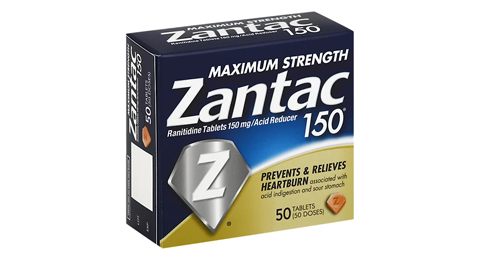








| Brand Name | Zantac |
| Generic Name | Ranitidine |
| Drug Class | H2 Receptor Antagonist (H2RA) |
| Availability | OTC |
| Manufacturer | Sanofi |
| Indications | GERD, Peptic Ulcers, Zollinger-Ellison Syndrome |
| Type | Tablet, Oral Solution, Injection |
| Doses | 150-300 mg twice daily |
| Route | Oral, IV |
| Side Effects | Headache, constipation, diarrhea, rare liver enzyme elevation |
| Interactions | Withdrawn in many markets; interacts with warfarin and others |
| Overdose | Arrhythmia, hallucinations (especially in elderly). |
| Missed Dose | Take missed dose ASAP; skip if next dose is near. |
| Contraindications | Withdrawn – safety concerns |
| Alternatives | Famotidine, Cimetidine, Nizatidine |
| Co-Pay Assistance Program | Withdrawn |
| Patient Assistance Program | Not available |
Dr. Bharat Pothuri is a Board-Certified Gastroenterologist and Hepatologist. With extensive experience in digestive health, he specializes in advanced endoscopic procedures, chronic GI disorder management, and preventive care. Dr. Pothuri is dedicated to providing expert, patient-focused insights to help improve gut health and overall well-being.
Ranitidine is applied in the treatment of heartburn, ulcers, and GERD by lowering stomach acid.
The mechanism of action of Ranitidine is the inhibition of histamine receptors in the stomach, which decreases the amount of acid.
The side effects are usually headache, dizziness and stomachache.
Yes, Ranitidine may be administered with and without food.
Ranitidine will most normally take effect and alleviate symptoms in a matter of an hour after consumption.
The use of ranitidine is usually deemed to be safe during pregnancy and one should take the drug under the supervision of a physician.
In case of missing a dose, use it immediately, but not close to the scheduled time of the subsequent dose.
Ranitidine can be interacted with such drugs as warfarin, digoxin and some antifungal medications.
Always ask your physician permission to stop Ranitidine so as to avoid symptoms reoccurring.
A healthcare professional should monitor the use of Ranitidine on a long-term basis.
Related Conditions |
Related Blogs |
|---|---|