
GI Procedures in Houston, Cypress, Katy & Jersey Village
At GastroDoxs, we offer diagnostic and therapeutic GI procedures designed to help identify, prevent, and treat digestive health conditions. Our team helps patients prepare for procedures, understand what to expect, and schedule care with confidence.
Explore Our Procedures
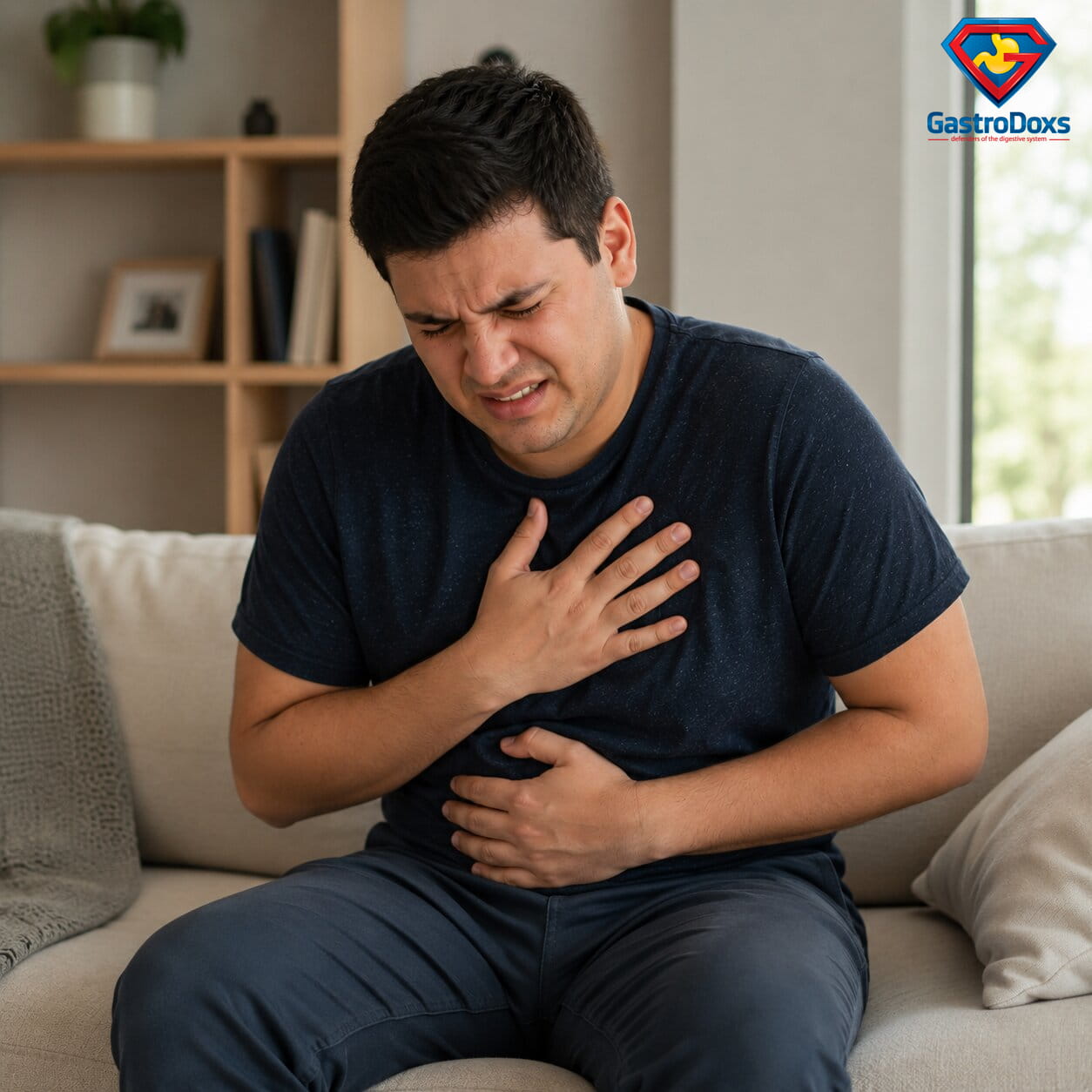
Bravo pH Study
Learn how Bravo pH Study helps evaluate acid reflux, GERD symptoms, chronic heartburn, chest discomfort, and reflux treatment response.
Read More
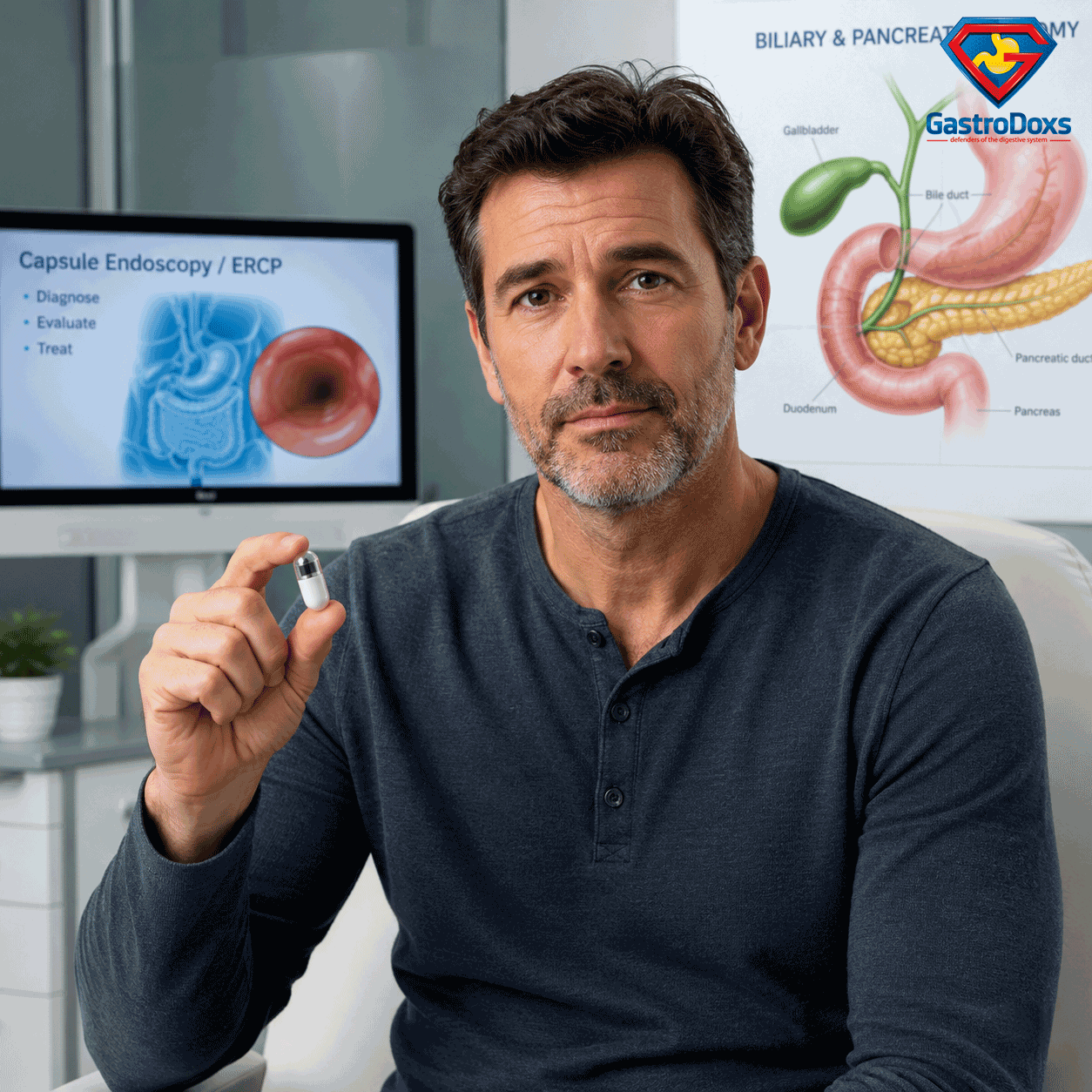
Capsule Endoscopy
Learn how capsule endoscopy uses a pill camera to evaluate small bowel bleeding, Crohn’s disease, anemia, and unexplained digestive symptoms.
Read More

Colonoscopy
Learn how colonoscopy helps screen for colon cancer, evaluate bleeding, and investigate bowel habit changes.
Read More
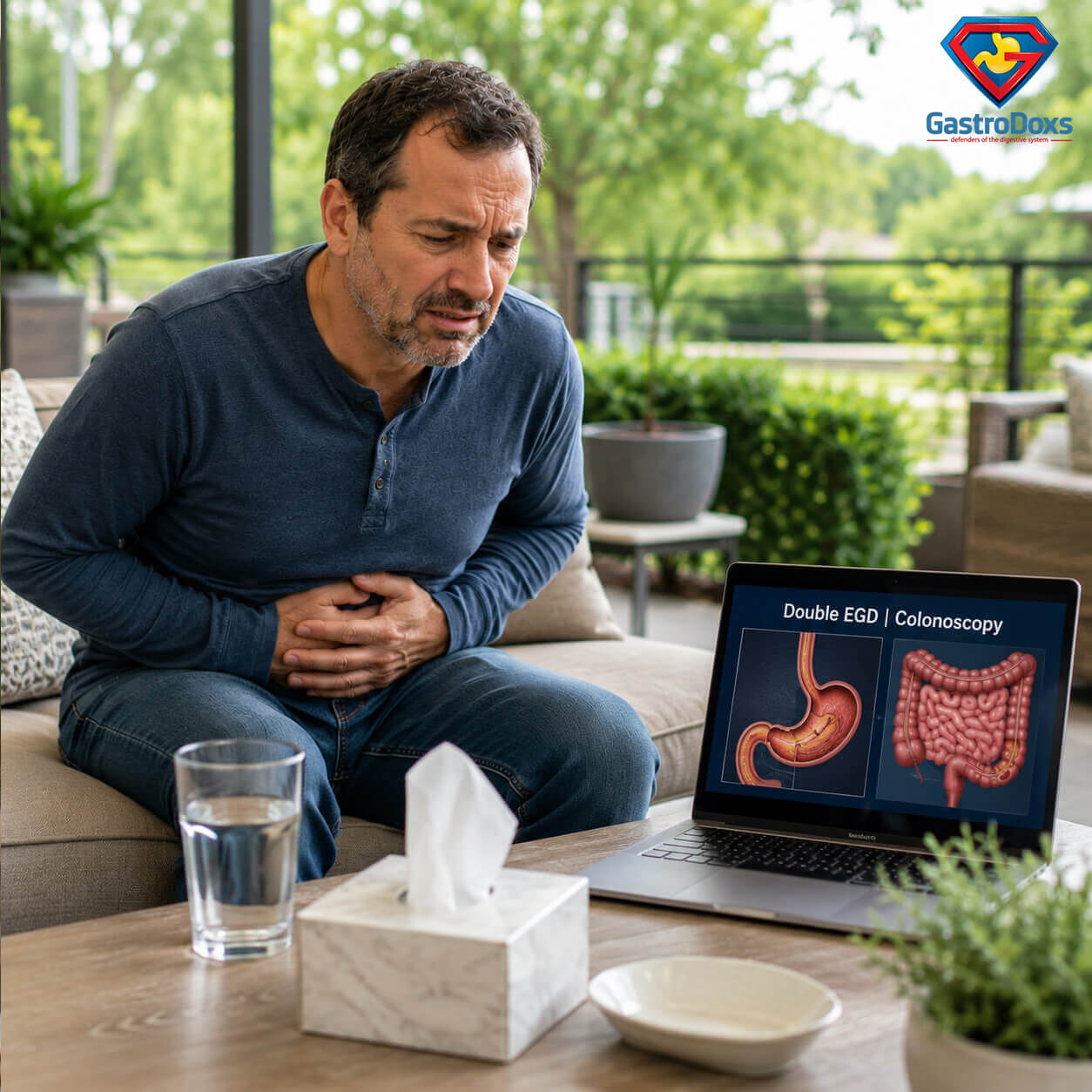
Double (EGD, Colonoscopy)
Learn how a combined EGD and colonoscopy examines your upper and lower digestive tract to diagnose symptoms and detect digestive conditions early.
Read More
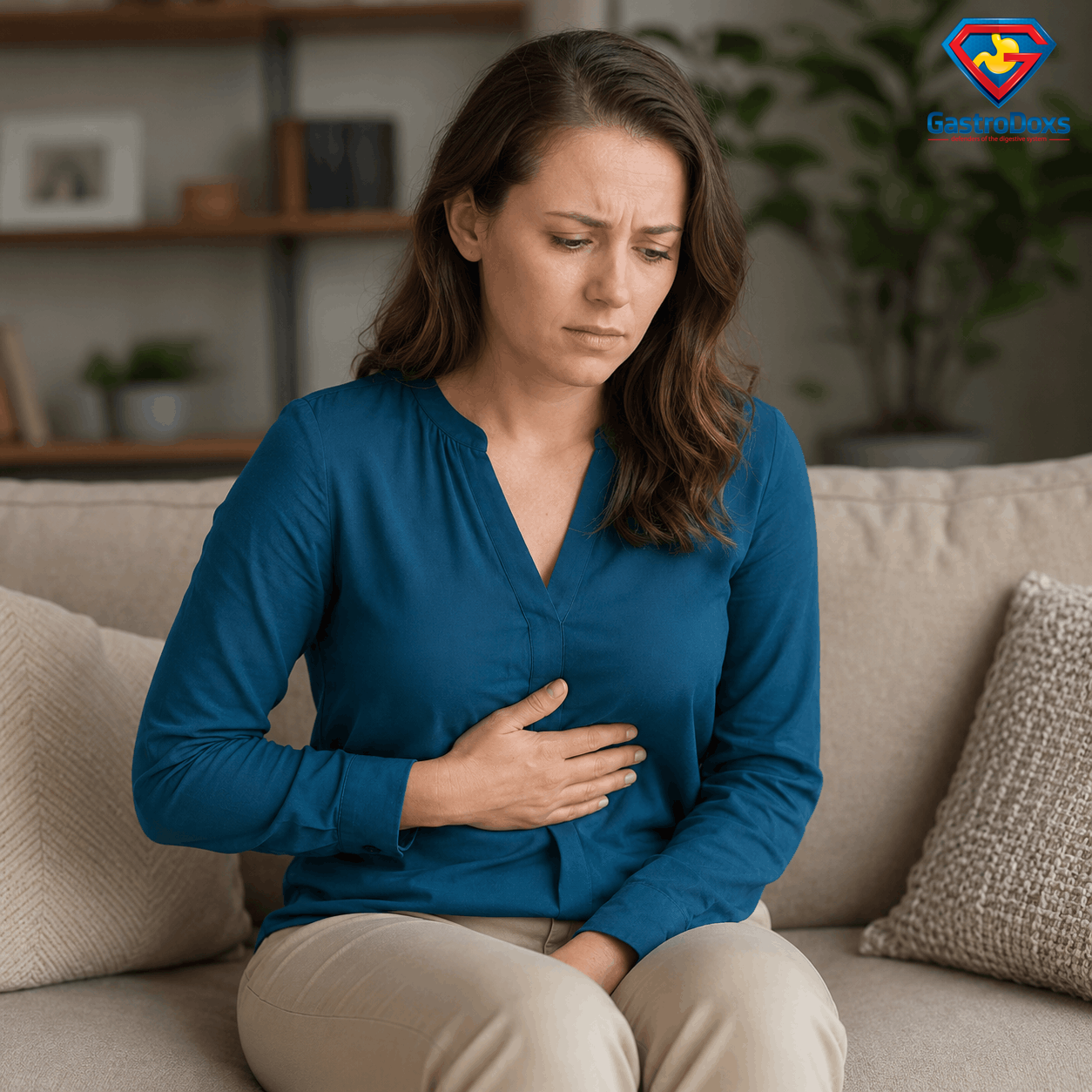
EGD
Explore upper endoscopy for reflux, trouble swallowing, stomach pain, nausea, ulcers, or upper GI symptoms.
Read More
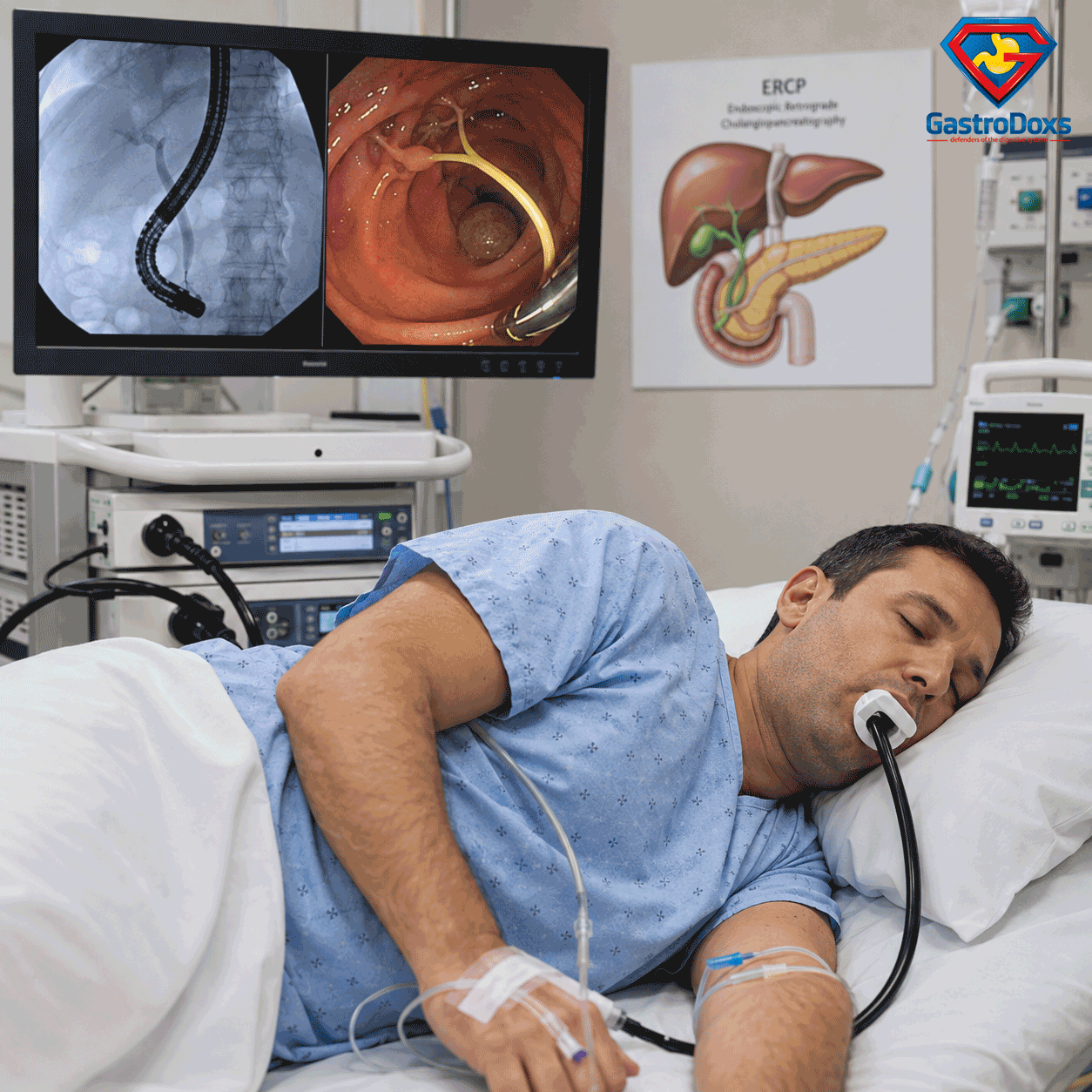
ERCP
Learn how ERCP helps diagnose and treat bile duct problems, gallstone blockages, jaundice, and pancreatic duct concerns.
Read More
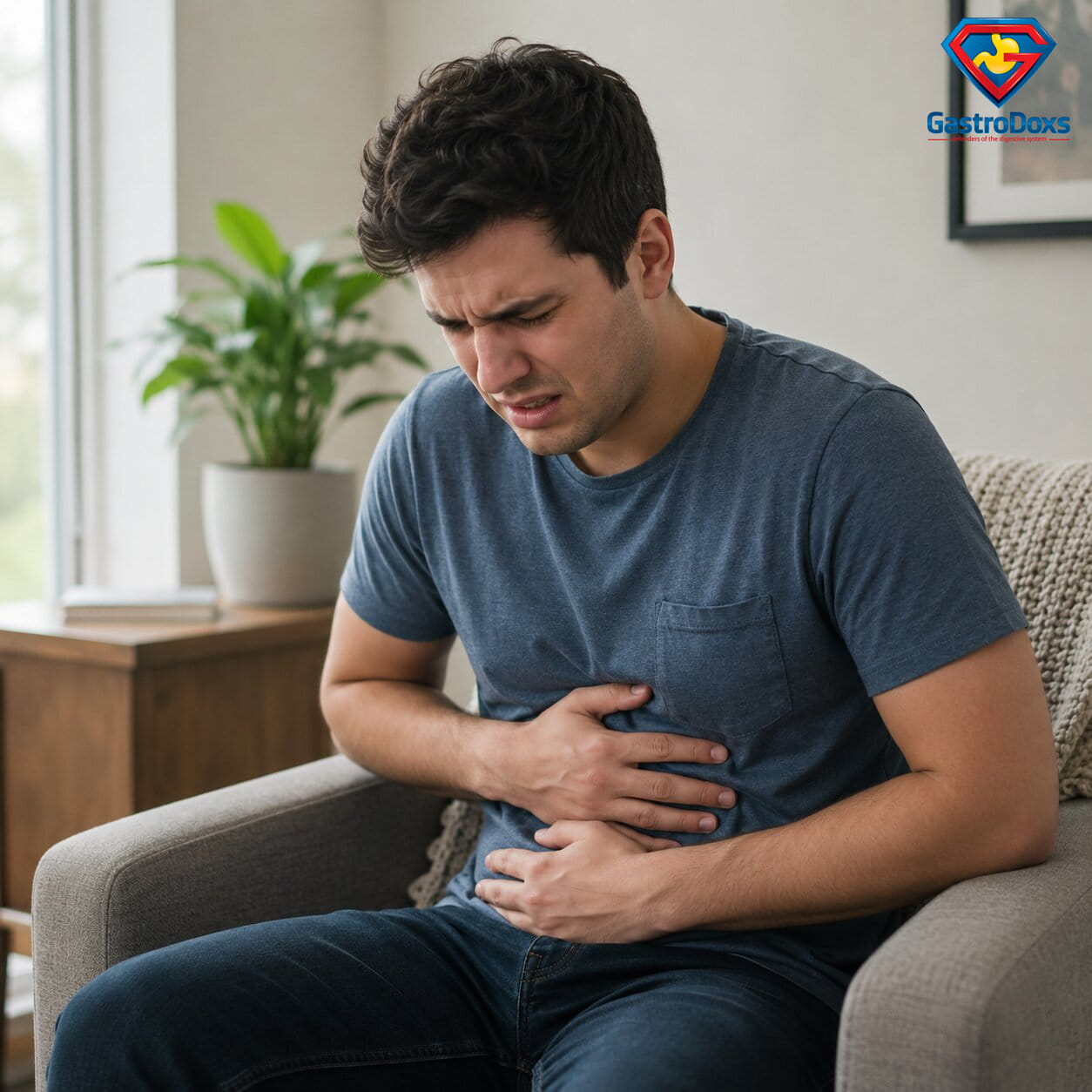
Endoscopic Ultrasound
Learn how endoscopic ultrasound helps evaluate the pancreas, bile ducts, digestive tract layers, lymph nodes, and abnormal imaging findings.
Read More

Fatty Liver Ultrasound
Learn how fatty liver ultrasound helps detect liver fat, evaluate liver changes, and guide next steps for liver health.
Read More
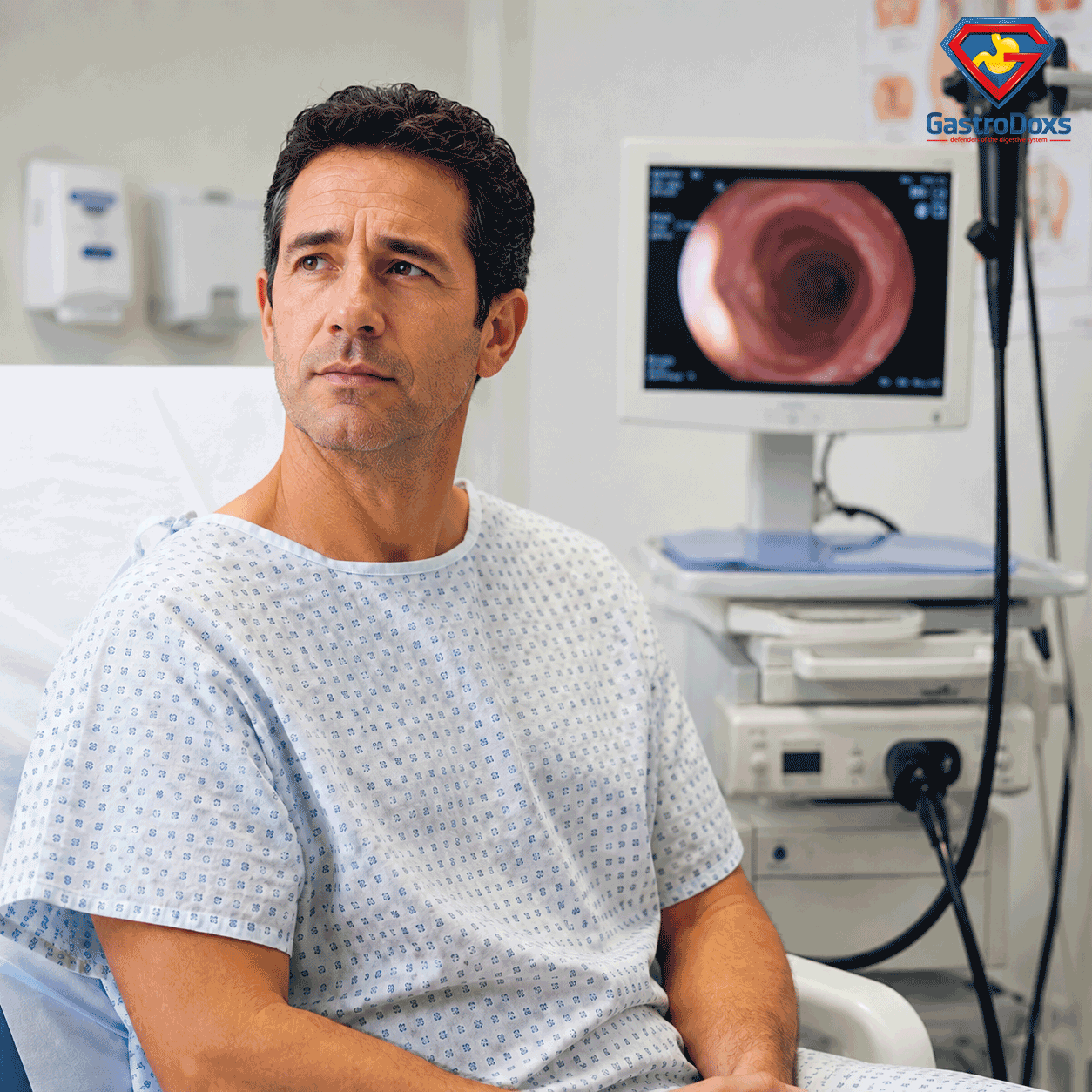
Flexible Sigmoidoscopy
Learn how flexible sigmoidoscopy helps evaluate rectal bleeding, bowel changes, inflammation, polyps, and lower colon symptoms.
Read More

Hemorrhoid Banding
Learn how hemorrhoid banding may help treat internal hemorrhoids and related rectal bleeding or irritation.
Read More
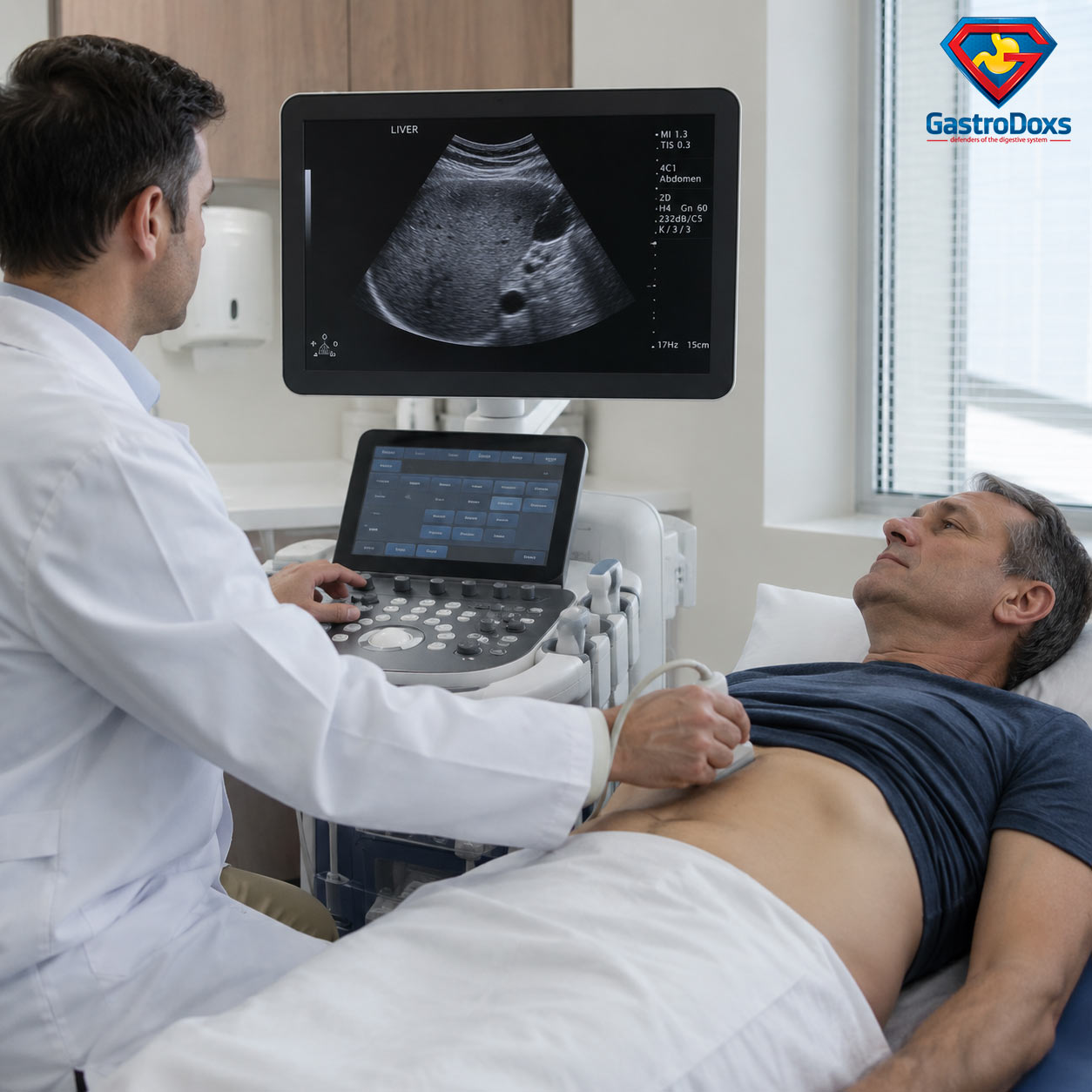
Liver Ultrasound
Learn how liver ultrasound helps evaluate liver structure, abnormal liver tests, liver lesions, gallbladder-related concerns, and next steps for digestive and liver health.
Read More

Paracentesis
Learn how paracentesis helps remove abdominal fluid, evaluate ascites, relieve pressure, and guide care for liver-related fluid buildup.
Read More

Transient Elastography
Learn how transient elastography helps measure liver stiffness, assess fibrosis risk, monitor fatty liver disease, and guide next steps for long-term liver health.
Read MoreNeed help choosing the right procedure?
GastroDoxs can review your symptoms, screening needs, and medical history to guide the right GI procedure or next step.
Frequently Asked Questions
What gastroenterology procedures does GastroDoxs offer?
GastroDoxs offers digestive health procedures such as colonoscopy, upper endoscopy, capsule endoscopy, ERCP, EUS, hemorrhoid banding, flexible sigmoidoscopy, Bravo pH study, liver ultrasound, transient elastography, and paracentesis.
Are gastroenterology procedures performed under sedation?
Many procedures, including colonoscopy and upper endoscopy, are commonly performed with sedation to help patients stay comfortable. Sedation needs depend on the procedure and your medical history.
How long does a GI procedure usually take?
Many common GI procedures take about 20 to 45 minutes. Your total visit may take longer because of check-in, preparation, sedation, recovery, and discharge instructions.
How do I know which digestive procedure I need?
Your gastroenterologist will review your symptoms, medical history, lab results, imaging, and prior tests before recommending the right procedure for diagnosis, screening, or treatment.
What symptoms may require a gastroenterology procedure?
Symptoms such as rectal bleeding, trouble swallowing, chronic reflux, abdominal pain, unexplained weight loss, anemia, abnormal liver tests, jaundice, or bowel habit changes may require further evaluation.
Do I need preparation before a GI procedure?
Some procedures require fasting, bowel prep, medication adjustments, or a clear liquid diet. Your care team will give procedure-specific instructions before your appointment.
What are the risks of gastroenterology procedures?
Most GI procedures are safe, but risks may include bleeding, infection, reaction to sedation, or rarely perforation. Your doctor will explain the risks based on your procedure.
When will I get my procedure results?
Some findings may be reviewed the same day. Biopsy, pathology, or advanced test results may take several days and may require follow-up discussion with your provider.
Will I need someone to drive me home after the procedure?
Yes, if sedation is used, you must have a responsible adult drive you home. You should not drive, work, or make important decisions after sedation.
Can gastroenterology procedures diagnose and treat problems at the same time?
Yes. Some procedures can diagnose conditions and also treat certain problems during the same visit, such as removing polyps, controlling bleeding, opening narrowed areas, or treating bile duct blockages.
