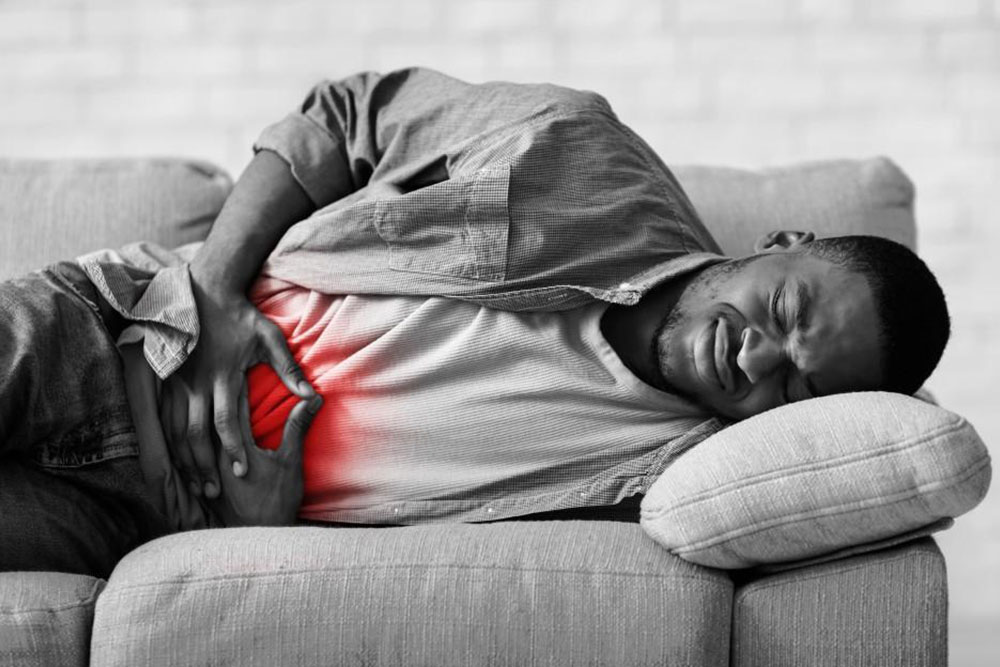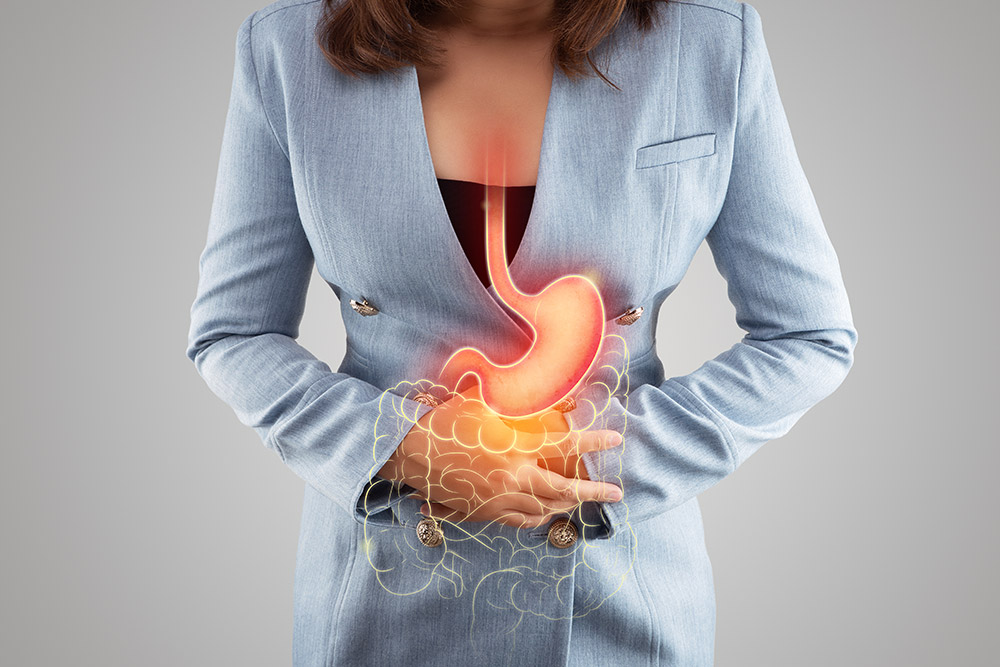








The ulcerative colitis (UC) is a chronic and permanent inflammatory bowel disease (IBD) that causes the inflammation and ulcers (sores) of the intestines that cannot be cured. The disorder is primarily connected with the large intestine (colon), which is the source of such symptoms as severe diarrhea, abdominal cramps, loss of weight and fatigue. Though the physical symptoms of UC might be too daunting, the ailment affects a lot on emotional and mental position of a subject as well. The physical and mental consequences of ulcerative colitis are paramount to the community of Cypress, TX as they need to deal with the illness and make sure that their quality of life will be satisfactory. In this paper, your quality of life will be discussed as to how UC can influence it in many ways and also some tips can be suggested that will help you to cope with symptoms in a more practical way.
Ulcerative colitis is one of the diseases that belong to the group of diseases referred to as inflammatory bowel diseases (IBD). The disease causes inflammation of the colon and the rectum that lead to several digestive symptoms. The inflammation can cause the body to be unable to absorb the nutrition in food without a lot of complications thus causing malnutrition, dehydration and a host of other health complications. This varies between the severity of UC as well as some of the patients experience frequent flare-ups but the condition can be milder and has less frequent symptoms.
Raising the case of Cypress, TX, its residents, it is essential to mention that ulcerative colitis is a disease that can be treated. However, it requires constant medication, lifestyle modification and support. UC is long standing, and therefore the exacerbations are not anticipated, which will influence the ability to lead a normal life.
The primary symptoms of UC are related to digestive issues and can significantly disrupt daily life. Some common physical symptoms include:
Frequent, urgent bowel movements, often accompanied by blood or mucus, are one of the most debilitating symptoms of UC. In Cypress, TX, the impact of chronic diarrhea can severely limit social and professional engagements, making it difficult for individuals to feel comfortable in public settings.
Inflammation in the colon can lead to severe abdominal discomfort, bloating, and cramping. This pain can range from mild to intense and may be exacerbated during flare-ups.
Chronic inflammation and the body's effort to fight the disease can lead to significant fatigue. People living with UC in Cypress, TX often report feeling tired even after a full night of sleep, impacting their ability to work, engage in physical activity, or enjoy leisure activities.
Ulcerative colitis can interfere with the body's ability to absorb nutrients properly. This can lead to unintentional weight loss, malnutrition, and vitamin deficiencies, which further compromise overall health.
Blood in the stool is a hallmark symptom of UC. This can be alarming and distressing for many patients, further compounding the emotional burden of the disease.
While the physical symptoms of UC are often the most noticeable, the mental and emotional impact of living with a chronic illness cannot be underestimated. In Cypress, TX, patients dealing with UC frequently experience:

The uncertainty of when a flare-up may occur can lead to constant worry and anxiety. Many individuals with UC become hyper-aware of their surroundings and avoid social situations due to the fear of needing urgent access to a bathroom. This can lead to feelings of isolation, sadness, and in some cases, clinical depression.
Chronic illness, coupled with the discomfort and unpredictability of UC, can cause ongoing stress. The mental load of managing a chronic condition, doctor appointments, medication regimens, and dietary restrictions can feel overwhelming, leading to burnout.
The physical symptoms of UC, such as weight loss, bloating, and the need for frequent bathroom breaks, can impact self-esteem. Many individuals feel embarrassed by their condition, which can affect their personal relationships and confidence.
The fear of experiencing a flare-up in public often leads to social withdrawal. People living with UC may isolate themselves to avoid situations where they feel they cannot manage their symptoms, such as parties, family gatherings, or even work events.
For those in Cypress, TX, managing ulcerative colitis requires not only medications and regular healthcare visits but also careful attention to diet. A proper diet can help reduce inflammation in the digestive tract, alleviate symptoms, and improve overall well-being.
Foods rich in omega-3 fatty acids, such as fish, flaxseeds, and walnuts, can help reduce inflammation in the gut. Additionally, fruits and vegetables that are low in fiber (like bananas and avocados) are easier on the digestive system during flare-ups.
Certain foods can trigger flare-ups in UC patients, including spicy foods, caffeine, alcohol, and dairy products. Keeping a food diary to track symptoms and identify triggers is a valuable strategy for people living in Cypress, TX.
Because UC can lead to diarrhea, staying hydrated is crucial. Drinking plenty of water and avoiding sugary drinks can help maintain electrolyte balance and prevent dehydration, a common issue in UC patients.
For individuals living in Cypress, TX, ulcerative colitis can impact various aspects of life:
The unpredictability of UC flare-ups can make it difficult to maintain a consistent work schedule. Frequent bathroom breaks, fatigue, and the need to attend medical appointments can interfere with job performance. Many people with UC also experience anxiety related to being away from a bathroom for extended periods, which may impact their professional life.
Living with UC in Cypress, TX, often leads to a reduction in social activities. The fear of flare-ups or accidents can make it difficult to enjoy outings with family and friends. Over time, this isolation can worsen mental health conditions like depression and anxiety.
Fatigue, pain, and digestive discomfort often prevent individuals with UC from engaging in regular physical activity. However, light exercise, such as walking or swimming, can be beneficial for both physical and mental health. It's important for UC patients in Cypress, TX to find forms of exercise that suit their abilities.
Managing UC in Cypress, TX requires a multi-faceted approach that includes both medical treatment and lifestyle adjustments. Here are some effective coping strategies:

Working closely with a gastroenterologist in Cypress, TX, is key to managing ulcerative colitis. Regular check-ups allow for early detection of flare-ups and the adjustment of medications. Your healthcare provider can help create a personalized treatment plan, which may include medications like corticosteroids, immunosuppressants, and biologics.
Therapy can be an effective way to cope with the emotional and mental impact of UC. Cognitive behavioral therapy (CBT) and other forms of mental health counseling can help patients manage anxiety, depression, and stress caused by the condition. For residents of Cypress, TX, seeking therapy from a licensed mental health professional is a valuable step.
Joining a local support group for individuals with ulcerative colitis can provide a sense of community and understanding. Sharing experiences with others facing similar challenges can help reduce feelings of isolation.
Incorporating mindfulness, yoga, and meditation into your routine can help reduce stress and improve mental well-being. Many patients with UC in Cypress, TX find that these practices help them relax and manage the mental strain of living with a chronic illness.
Ulcerative colitis is more than just a physical condition; it deeply impacts an individual's mental health, relationships, and overall quality of life. For Cypress, TX residents, it’s essential to recognize the multifaceted nature of the disease and address both the physical and emotional challenges it presents. With the right treatment, lifestyle changes, and emotional support, those living with UC can lead fulfilling lives and manage the impact of the disease on their quality of life.
At GastroDoxs in Cypress, TX, we understand the challenges that come with managing ulcerative colitis. Our team of experienced gastroenterologists is here to provide expert care, personalized treatment plans, and support for patients dealing with UC. Don’t let ulcerative colitis control your life—reach out today to take the first step toward better health and well-being.
Dr. Bharat Pothuri is a Board-Certified Gastroenterologist and Hepatologist. With extensive experience in digestive health, he specializes in advanced endoscopic procedures, chronic GI disorder management, and preventive care. Dr. Pothuri is dedicated to providing expert, patient-focused insights to help improve gut health and overall well-being.
Ulcerative colitis (UC) is a chronic inflammatory bowel disease that causes inflammation and ulcers in the colon and rectum. It can significantly affect quality of life due to its physical symptoms, such as chronic diarrhea, abdominal pain, and fatigue. Moreover, the emotional toll, including anxiety and depression, further impacts daily activities, work, and social interactions. Effective treatment and lifestyle adjustments are essential for managing both the physical and emotional challenges of UC.
Yes, ulcerative colitis can have a profound impact on mental health. The unpredictability of flare-ups, along with the discomfort and lifestyle restrictions, can contribute to feelings of anxiety, stress, and depression. Managing both the physical symptoms of UC and its emotional impact is crucial for maintaining a high quality of life.
Ulcerative colitis can disrupt your ability to maintain a consistent work schedule. Frequent bathroom breaks, fatigue, and the need for medical appointments can interfere with job performance. Anxiety about flare-ups during work hours can also lead to stress, affecting productivity and overall job satisfaction.
Common triggers for UC flare-ups include stress, certain foods (like spicy foods, caffeine, alcohol, and dairy), infections, and even changes in routine or medication. Keeping track of personal triggers with the help of a healthcare provider can help manage and reduce flare-ups.
Mental health challenges associated with UC can be managed through various methods, including therapy (e.g., cognitive behavioral therapy), stress management techniques (e.g., yoga, mindfulness), and joining support groups for UC patients. Seeking professional help from mental health experts in Cypress, TX, can also improve emotional well-being and provide valuable coping strategies.
For those living with UC, it’s essential to avoid foods that may trigger flare-ups. Low-fiber foods like bananas, avocados, and well-cooked vegetables are often easier on the digestive system. Additionally, staying hydrated and avoiding spicy or fatty foods, caffeine, and alcohol can help reduce symptoms. Working with a dietitian familiar with UC can help tailor a nutrition plan specific to your needs.
While the exact cause of ulcerative colitis is unknown, genetics do play a role. People with a family history of UC are at a higher risk of developing the condition. However, environmental factors such as diet, stress, and infections can also contribute to the onset and progression of the disease.
Regular light to moderate exercise can help improve physical health, reduce stress, and improve mental well-being in individuals with UC. Activities such as walking, swimming, or yoga can help alleviate fatigue, improve mood, and promote overall health. However, during flare-ups, it’s important to modify exercise routines to avoid excessive strain.
If you experience a flare-up of ulcerative colitis, it's important to contact your healthcare provider immediately. They may recommend adjusting your medication or suggest dietary changes. In some cases, hospitalization may be necessary if the symptoms become severe. It's crucial to manage flare-ups promptly to prevent complications.
There are various support options available in Cypress, TX, including local support groups, therapy sessions, and online communities. Connecting with others who are facing similar challenges can help reduce feelings of isolation and provide valuable emotional support. Your gastroenterologist may also have recommendations for local resources or counseling services.