
Digestive Symptoms Treated by Gastroenterologists in Houston, TX
At GastroDoxs, we diagnose and treat common digestive symptoms such as abdominal pain, acid reflux, constipation, diarrhea, bloating, rectal bleeding, and more. The GastroDoxs GutGuardians™ team helps patients understand symptoms early and choose the right next step.
Explore The Digestive Symptoms We Treat

Abdominal Distension
Learn why the abdomen may visibly swell, how distension differs from bloating, red flags, tests, and when GI evaluation helps.
Read More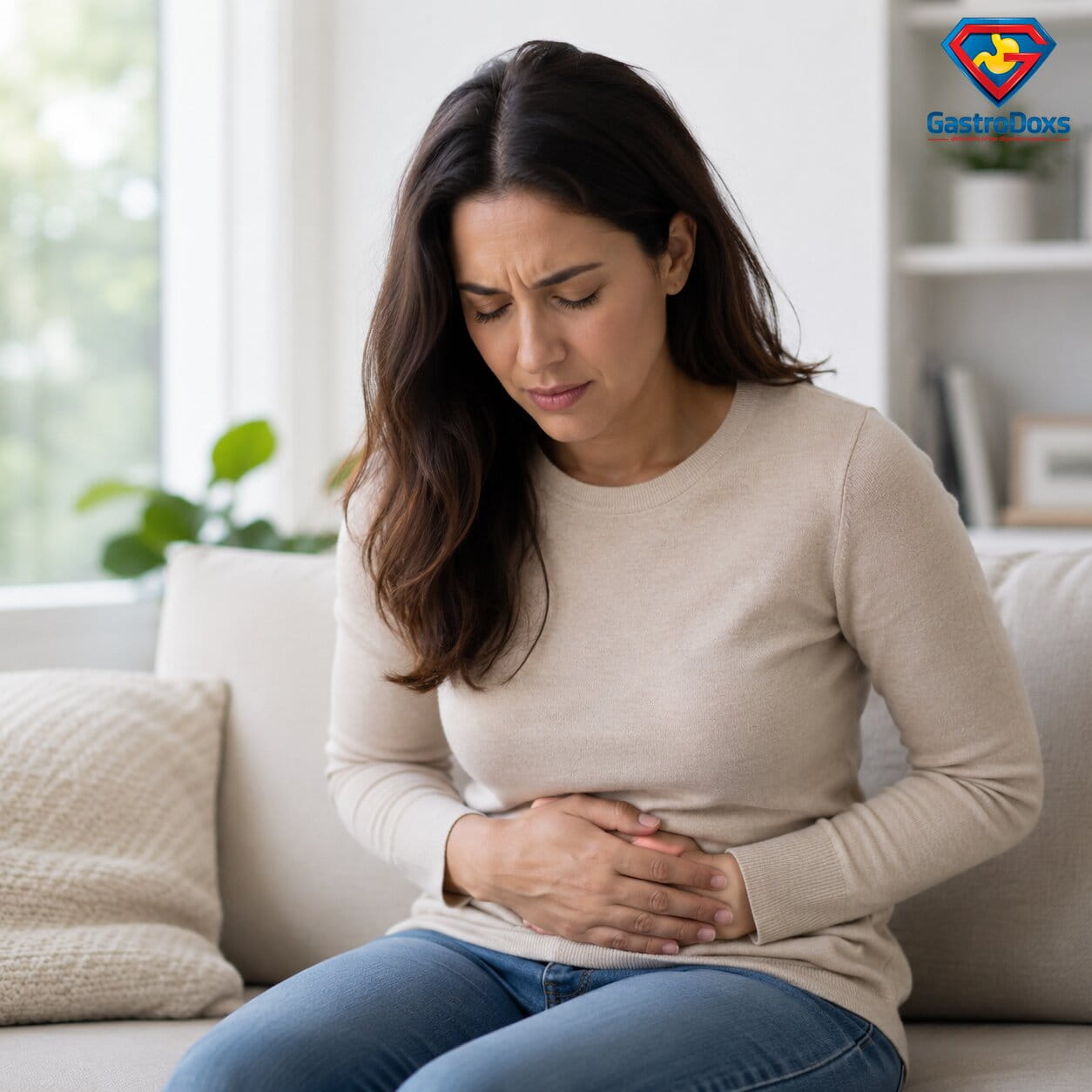
Abdominal Pain
Abdominal pain can include cramps, sharp pain, pressure, or recurring discomfort that may need gastroenterology evaluation.
Read More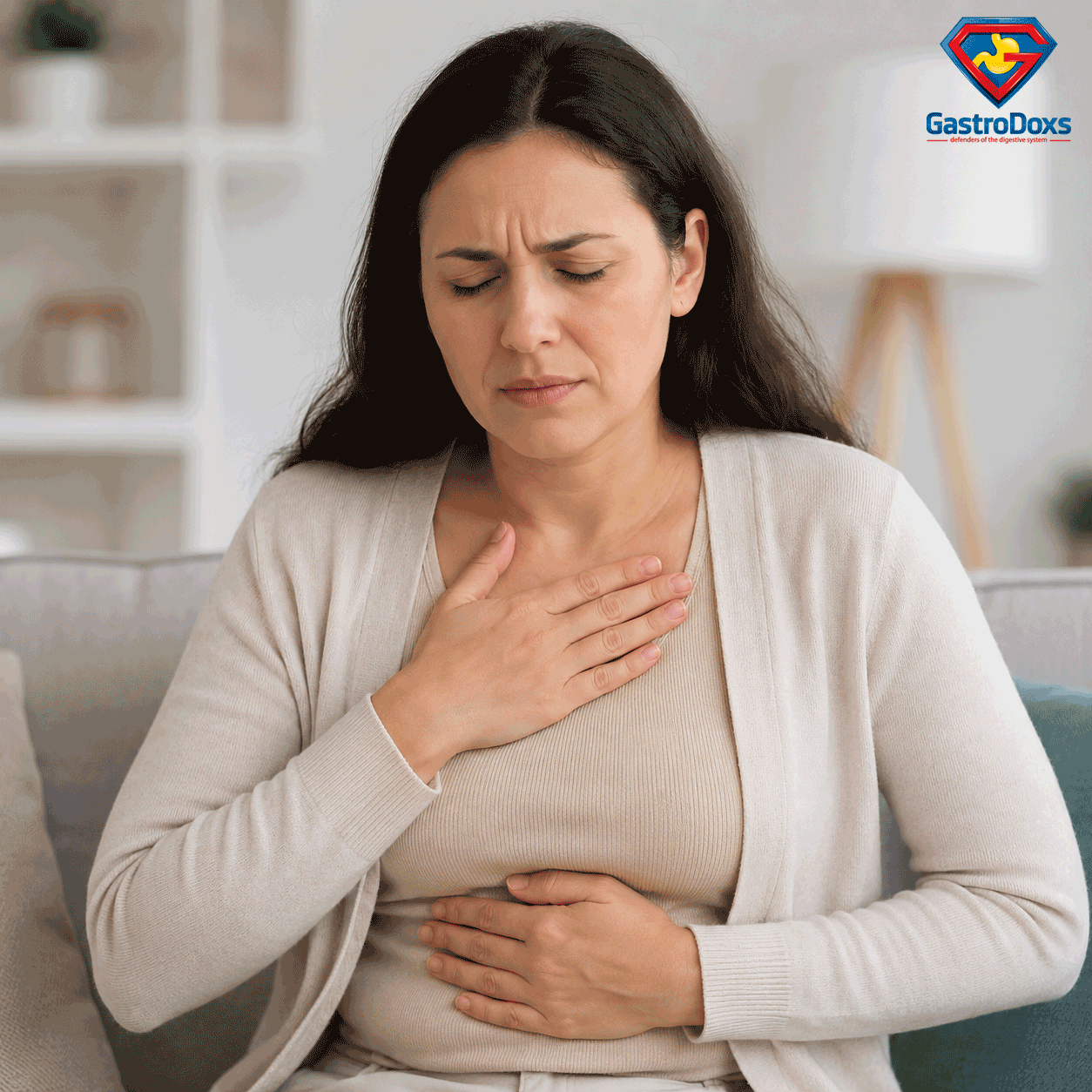
Acid Reflux
Learn about Acid Reflux, possible digestive causes, warning signs, and when GI care may help.
Read More
Acid Taste in Mouth
An acid taste in the mouth may be linked to reflux, GERD, dental factors, dry mouth, medicines, infection, or upper digestive symptoms.
Read More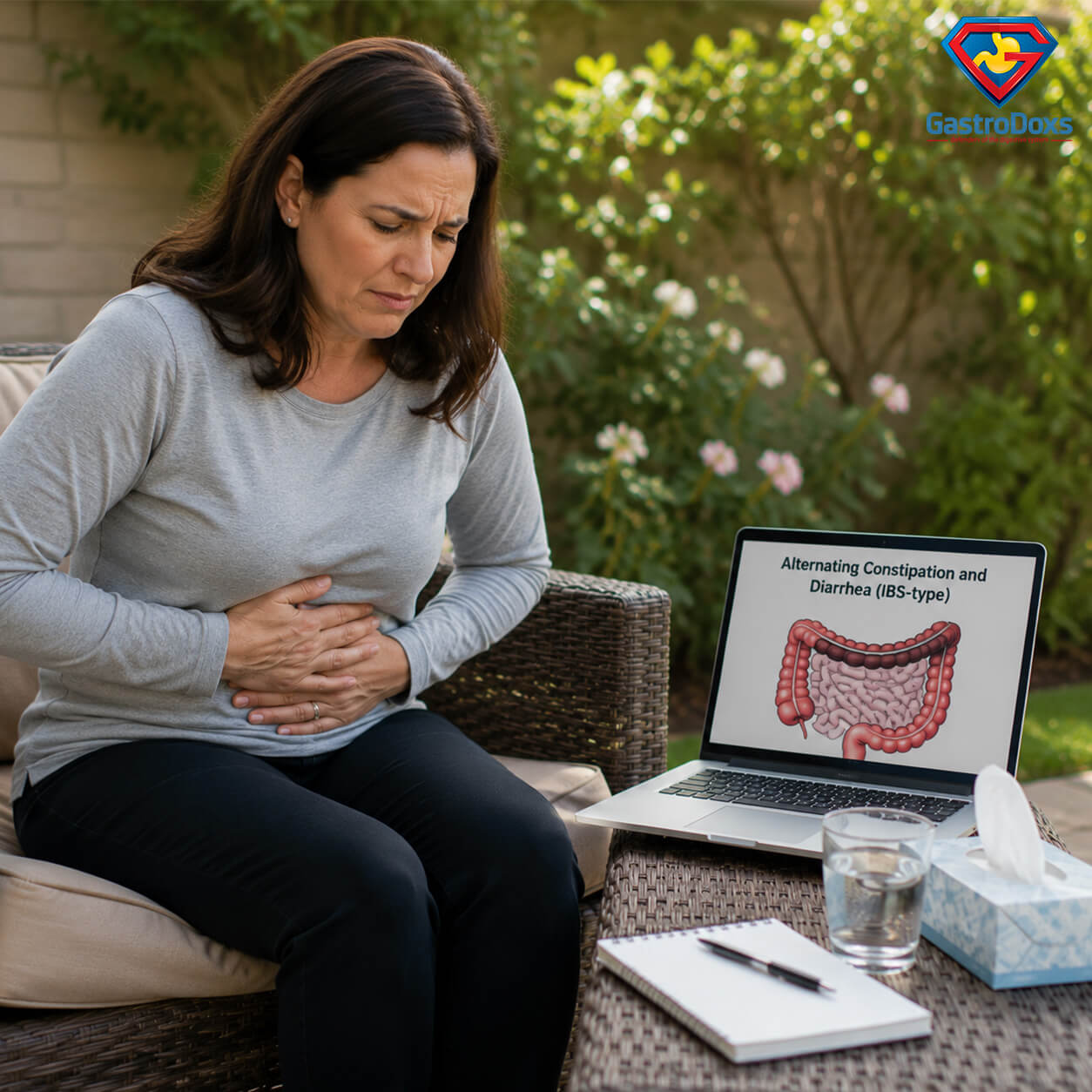
Alternating Constipation and Diarrhea
Understand mixed bowel habits, IBS-M, overflow diarrhea, medicines, diet, testing, warning signs, and cause-based treatment.
Read More
Back Pain Radiating From the Pancreas
Pancreatic pain often begins in the upper abdomen and passes through to the back, but spine, muscle, kidney, gallbladder, and vascular causes can feel similar.
Read More
Belching
Belching is often caused by swallowed air, carbonated drinks, fast eating, reflux, gastritis, ulcers, or functional belching patterns.
Read More
Black Tarry Stool
Black, sticky, tar-like stool may represent digested blood from the upper digestive tract and should not be dismissed as an ordinary color change.
Read More
Bloating
Learn bloating causes, food intolerance, IBS, SIBO, distension, stress triggers, tests, and when to see a gastroenterologist.
Read More
Blood In Stool
what blood in stool may mean, possible causes, warning signs, and when rectal bleeding should be checked.
Read More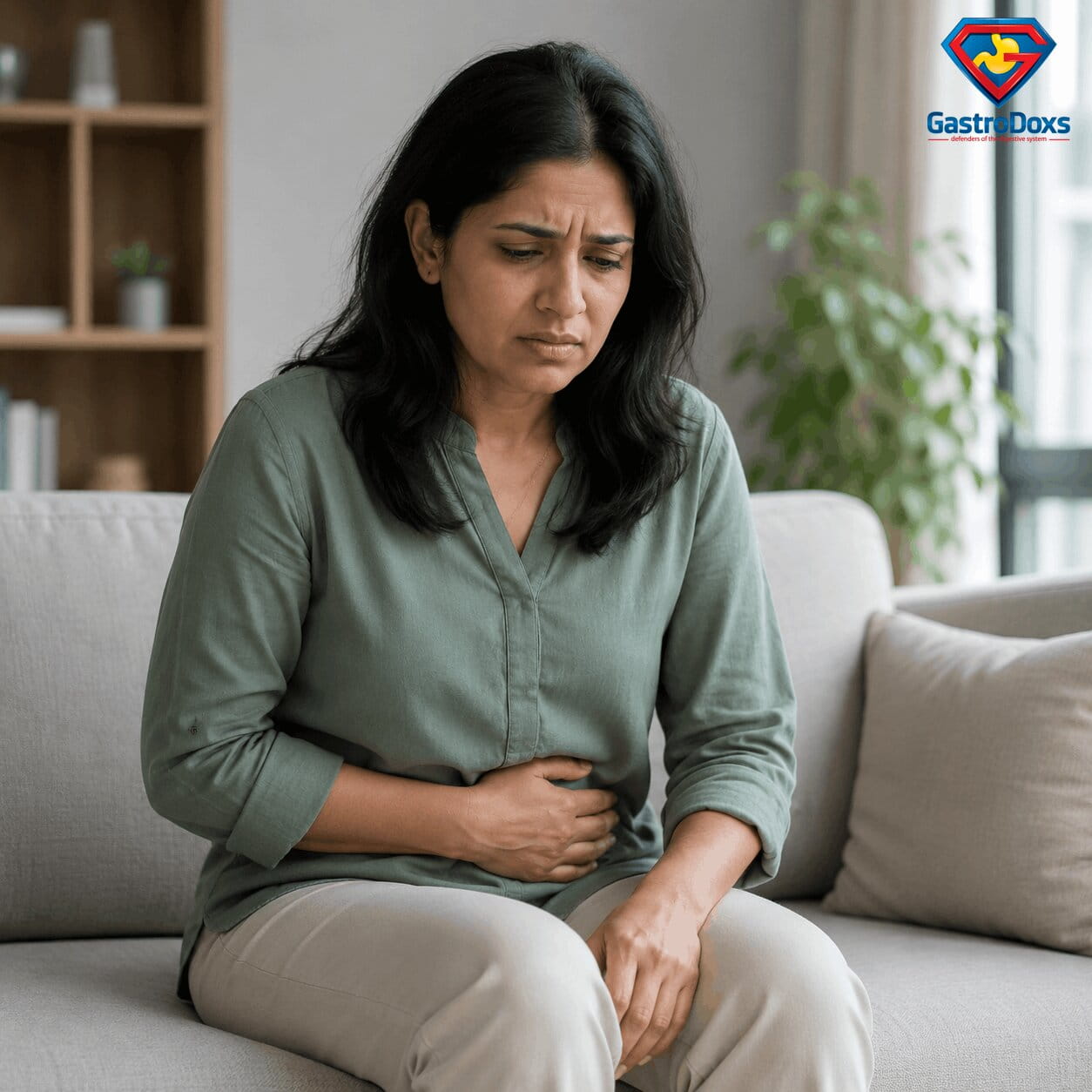
Change in Bowel Habits
Changes in bowel habits may include diarrhea, constipation, urgency, mucus, or stool changes that keep returning or feel unusual.
Read More
Chronic Cough Related to Reflux
Chronic cough may be related to reflux, but asthma, nasal drainage, medicines, lung disease, and cough hypersensitivity can produce similar symptoms.
Read More
Constipation
Learn constipation causes, laxative safety, diet triggers, warning signs, tests, and when recurring constipation needs GI evaluation.
Read More
Crampy Abdominal Pain / Colicky Pain
Learn how cramp-like and wave-like abdominal pain differ, what bowel, biliary and urinary patterns may suggest, and when symptoms need prompt or emergency evaluation.
Read More
Dark Urine
Dark urine may be concentrated from dehydration or may reflect blood, bilirubin, medicine pigments, infection, kidney disease, or muscle breakdown.
Read More
Diarrhea
Diarrhea can include loose stools, urgency, cramping, or changes in bowel habits. Early understanding of these symptoms can help you manage discomfort and know when to seek care.
Read More
Difficulty Swallowing
Difficulty swallowing may feel like food sticks, liquids go down the wrong way, or extra effort is needed to move a bite.
Read More
Dyspepsia
Dyspepsia is recurring indigestion with upper abdominal discomfort, fullness, bloating, nausea, burning, or early satiety.
Read More
Dysphagia
Dysphagia is the medical term for difficulty swallowing and may involve the mouth, throat, esophagus, or more than one stage.
Read More
Early Satiety
Early satiety means feeling full after eating only a small amount and may be linked to gastroparesis, reflux, ulcers, medication effects, or serious causes.
Read More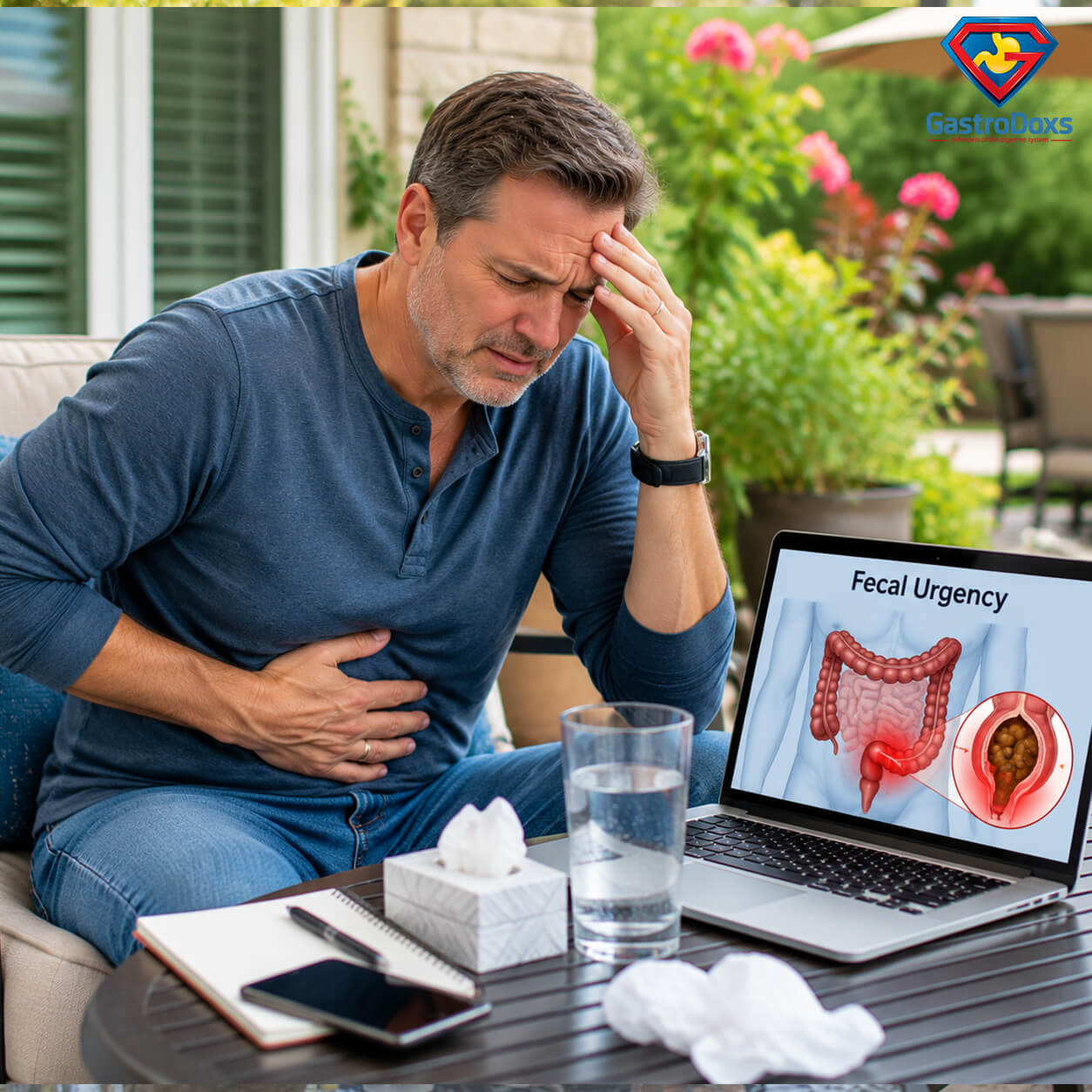
Fecal Urgency
Understand sudden bowel urgency, post-meal triggers, IBS, IBD, diarrhea, pelvic-floor problems, accidents, testing, and treatment pathways.
Read More
Flatulence
Flatulence is passing gas from the digestive tract and may increase with diet, swallowed air, constipation, IBS, food intolerance, or microbiome changes.
Read More
Food Impaction
Food impaction happens when a bite becomes lodged in the esophagus and may cause sudden food sticking, drooling, chest pressure, or regurgitation.
Read More
Gas
Gas is a normal part of digestion, but trapped gas can cause bloating, pressure, cramps, belching, flatulence, and abdominal discomfort.
Read MoreNot sure what your symptoms mean?
GastroDoxs can help evaluate recurring digestive symptoms and guide you toward the right testing, treatment, or specialist visit.
Frequently Asked Questions
What digestive symptoms should not be ignored?
Persistent abdominal pain, blood in stool, black stool, unexplained weight loss, ongoing vomiting, trouble swallowing, severe diarrhea, or symptoms that wake you at night should be evaluated promptly.
How do I know if I need a gastroenterologist?
You should see a gastroenterologist when symptoms such as reflux, bloating, constipation, diarrhea, abdominal pain, or rectal bleeding are frequent, worsening, or not improving with basic care.
What tests are used for digestive symptoms?
Testing may include blood work, stool studies, breath tests, imaging, endoscopy, colonoscopy, or other GI procedures depending on your symptoms, age, risk factors, and medical history.
Can stress cause digestive symptoms?
Stress can worsen symptoms such as cramps, bloating, reflux, constipation, and diarrhea. However, recurring or severe symptoms should still be evaluated to rule out underlying GI conditions.
Do digestive symptoms always mean a serious condition?
No. Many symptoms are related to diet, medications, infection, stress, or functional digestive disorders. A GI evaluation helps identify which symptoms need treatment or testing.