Cirrhosis is a chronic liver disease whereby the liver is severely scarred as a result of repeated damage from factors including the overconsumption of alcohol, chronic viral infections such as hepatitis, and secondary diseases like non-alcoholic fatty liver disease (NAFLD). Over time, the liver cannot do its job effectively and leads to serious complications. In cases of end-stage cirrhosis, a liver transplant may be necessary to save the patient’s life.
Liver transplant, however, is not a good option for all cirrhotic patients. To be placed on a liver transplant list, several factors must be considered, including the degree of liver disease, overall health conditions, and the cause of cirrhosis. Understanding the requirements of liver transplantation can help residents in Katy, TX, make better decisions about their medical care.
This article will discuss cirrhosis and liver transplantation, explain eligibility requirements, and provide answers to frequently asked questions (FAQs) to assist the people of Katy, TX, in navigating this complex issue.
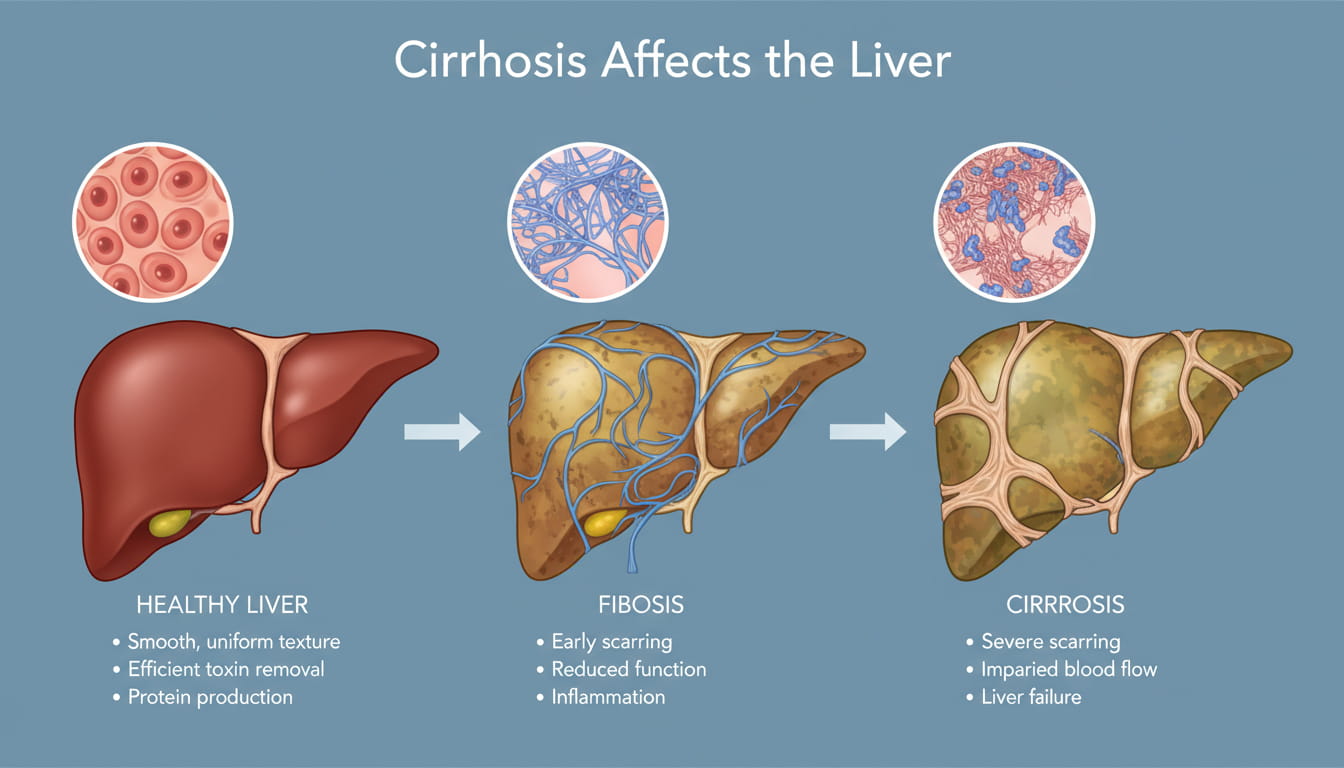
What is Cirrhosis and How Does it Affect the Liver?
Cirrhosis is the result of long-term liver injury that leads to the substitution of healthy liver tissue with scar tissue (fibrosis). This scarring hinders normal liver function over time, affecting detoxification, protein production, and regulation of body functions. The common causes of cirrhosis include:
- Extensive Alcoholic Intake: One of the major causes of cirrhosis is excessive alcohol consumption.
- Hepatitis B or C: Long-term hepatitis caused by viral infections can lead to permanent liver damage.
- Non-alcoholic Fatty Liver Disease (NAFLD): Associated with diabetes, obesity, or metabolic syndrome.
- Autoimmune Diseases: Autoimmune hepatitis, where the immune system attacks the liver.
- Genetic Diseases: Conditions such as hemochromatosis (iron overload) and Wilson’s disease (copper overload).
End-stage cirrhosis may require a liver transplant as the only option for maintaining liver function and quality of life.
Who Needs a Liver Transplant?
Liver transplant is considered for patients with end-stage cirrhosis or liver failure that cannot be managed by other means. The decision to undergo a transplant depends on the severity of liver damage and the liver’s functional condition. Key indicators for liver transplantation include:
- Severe Liver Dysfunction: The liver cannot perform its essential functions, including detoxification and protein production.
- Portal Hypertension: Elevated portal pressure due to cirrhosis, potentially leading to varices, ascites, and gastrointestinal bleeding.
- Hepatocellular Carcinoma (HCC): Liver cancer, often a leading cause of liver transplantation in cirrhotic patients.
- Inability to Control Complications: When cirrhosis complications cannot be controlled with medications or lifestyle changes.
- Chronic and Refractory Symptoms: Persistent symptoms like fatigue, jaundice, and weight loss in advanced cirrhosis.
Should a Candidate be Evaluated for Liver Transplant?
The evaluation process for liver transplant candidates involves multiple procedures to assess both the physical and psychological readiness of the patient for surgery. At GastroDoxs in Katy, TX, we help screen patients who may require liver transplantation, ensuring the most appropriate candidates are identified. Evaluation criteria include:
- Liver Function Tests: Blood tests (e.g., ALT, AST, bilirubin, albumin) to assess liver function.
- Imaging and Biopsy: Imaging tests (ultrasounds, CT scans, MRIs) to identify liver structure and any abnormalities, and a liver biopsy to assess cirrhosis extent.
- Physical Health: The patient’s overall health, including vital signs, absence of infections, and control of underlying conditions (e.g., diabetes, hypertension).
- Psychosocial Assessment: Evaluation of the patient’s psychological readiness to endure the emotional burden of post-transplant life.
- Lifestyle Considerations: Commitment to lifestyle changes, including alcohol abstinence and adherence to post-transplant care protocols.
The Liver Transplantation Procedure
Once a patient has passed the eligibility criteria, they will be placed on the transplant waiting list, managed by the United Network for Organ Sharing (UNOS). Patients are ranked based on their Model for End-Stage Liver Disease (MELD) score, which is determined by blood tests, liver performance, and the extent of cirrhosis. The procedure includes several steps:
- Evaluation: Detailed medical and psychological assessments.
- Waiting List: Qualified candidates are placed on the waiting list until a suitable donor liver becomes available.
- Transplant Surgery: The damaged liver is removed and replaced with the donor liver.
- Recovery and Post-Transplant Care: Post-surgery recovery includes immunosuppressant medications to prevent liver rejection, with frequent follow-up appointments to monitor liver function.

Hepatitis Cirrhosis and Liver Transplantation in Katy, TX
The availability of transplant facilities and special services is crucial for cirrhosis patients in Katy, TX. Timely education and referral to a liver transplant center increase the chances of being placed on the transplant list before the disease reaches critical stages.
At GastroDoxs, we provide specialized care and advice for liver disease and cirrhosis patients. If you are concerned about your liver health or showing signs of cirrhosis, schedule a consultation today to determine whether a liver transplant may be necessary.
Conclusion: Take Action for Your Liver Health in Katy, TX
For those in Katy, TX, struggling with cirrhosis or its complications, understanding the process of liver transplantation and knowing whether you are a candidate is vital. Early diagnosis and regular monitoring are key to managing liver disease and preventing further damage. At GastroDoxs, we provide expert care for cirrhosis patients and help guide you through the liver transplant process if needed. If you’re experiencing symptoms of cirrhosis or need to discuss your liver health, don’t wait—schedule a consultation today. Your liver health is crucial, and early action can make all the difference.