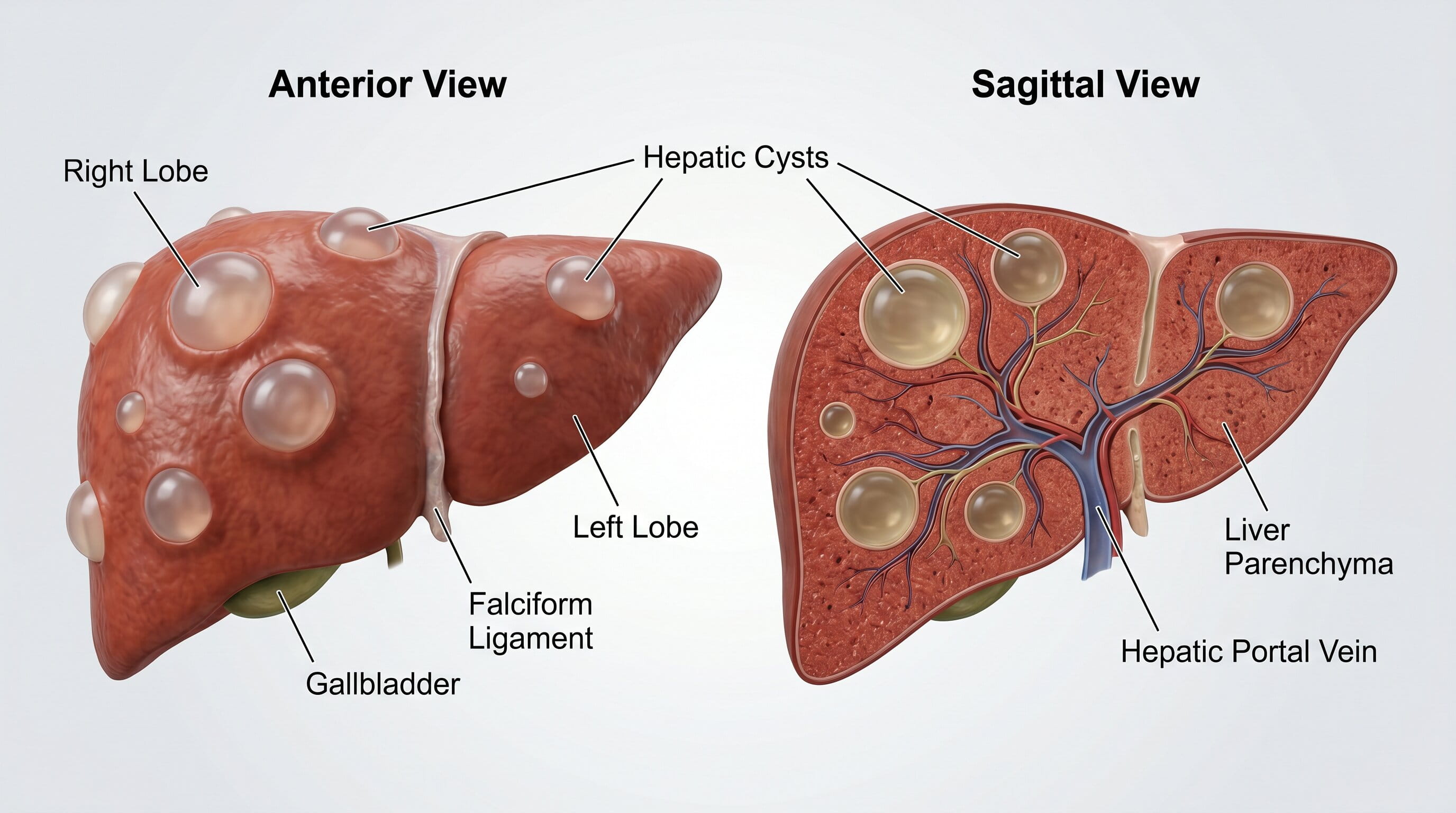
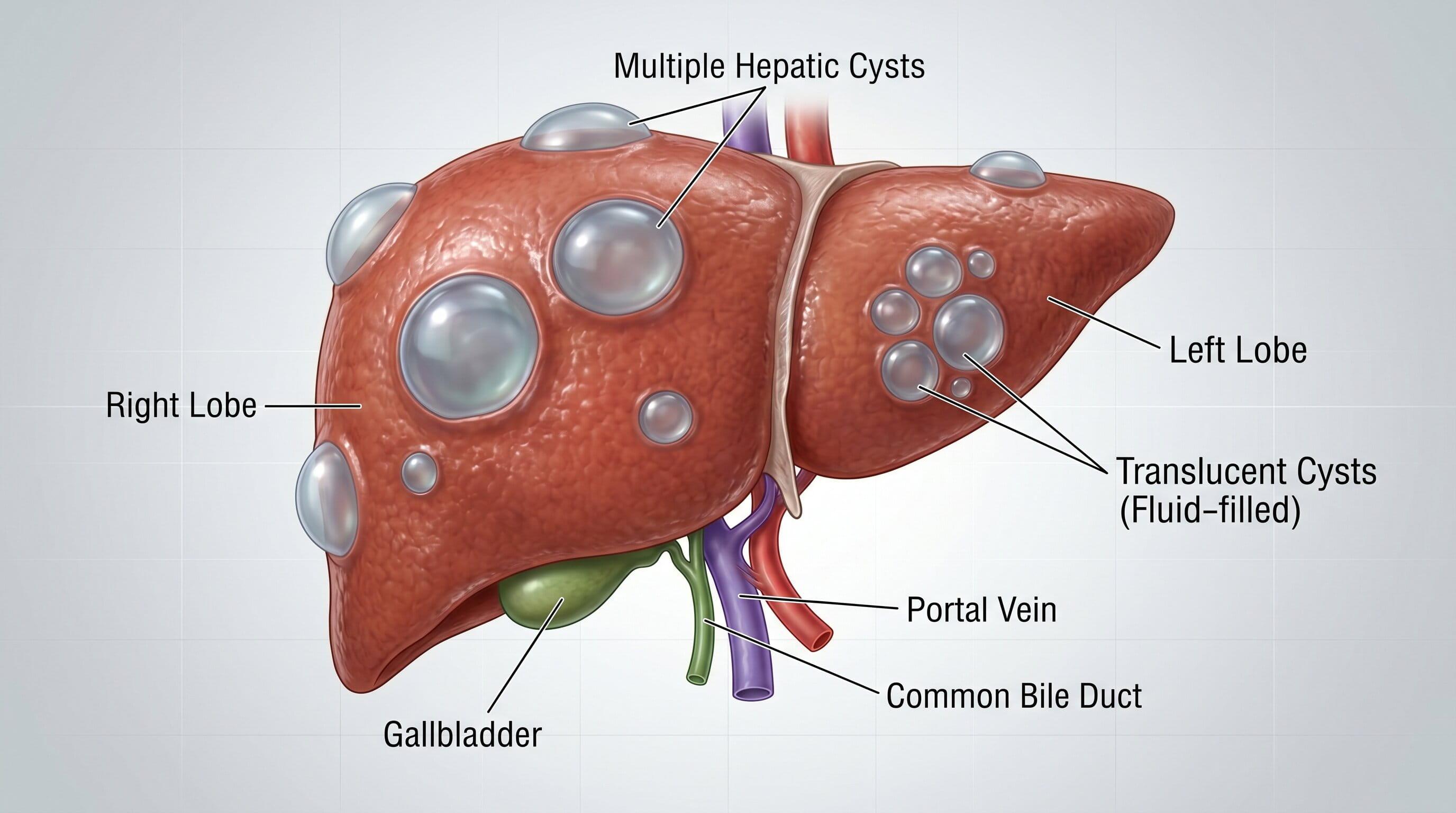
Liver cysts are fluid-filled sacs that form in the liver. While most liver cysts are benign (non-cancerous), there are instances where cysts can be associated with more serious liver conditions. In this article, we will explore whether liver cysts are cancerous, the potential risks involved, and how to determine if a liver cyst requires further investigation.
Understanding the Types of Liver Cysts
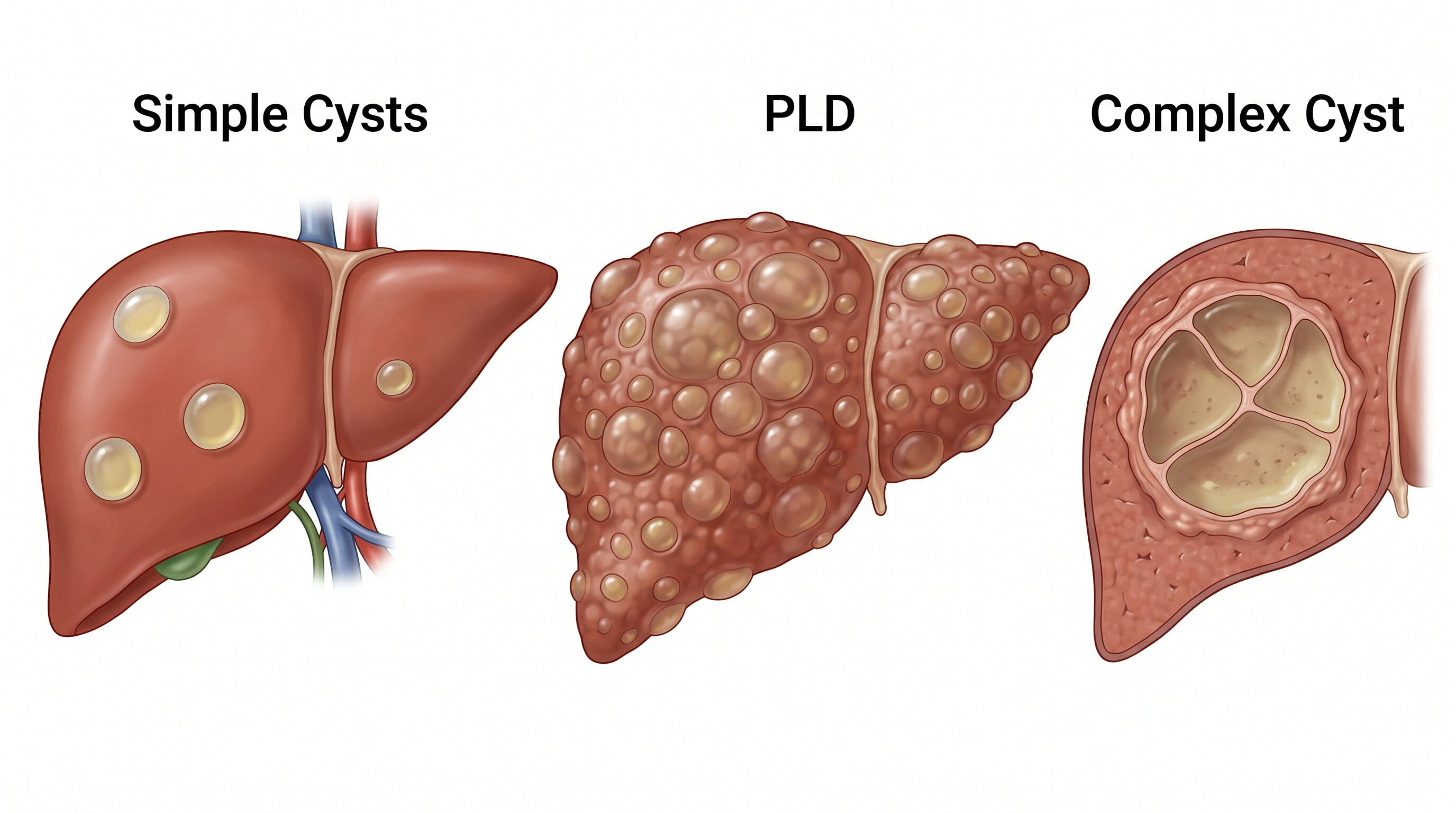
There are two main types of liver cysts:
Simple Liver Cysts
These are the most common and typically benign. They are often small, filled with fluid, and do not cause symptoms. Simple liver cysts are rarely associated with cancer and often do not require any treatment unless they cause significant pain or discomfort.
Polycystic Liver Disease (PLD)
This is a genetic disorder where multiple cysts form in the liver. While PLD can lead to liver enlargement and potential liver dysfunction, the cysts themselves are generally not cancerous. However, in some rare cases, large cysts or cysts that cause complications may require surgical removal or monitoring.
Complex Liver Cysts
These cysts are less common and may contain both fluid and solid components. Complex cysts can sometimes raise concerns, as they may be associated with malignancies (cancer). However, the vast majority of complex cysts are still benign. Further diagnostic testing is often required to rule out the possibility of cancer.
Are Liver Cysts Cancerous?
The short answer is no—most liver cysts are not cancerous. Simple liver cysts are benign and typically do not pose a risk of turning into liver cancer. However, in some cases, liver cysts can be linked to other conditions that may require medical attention. Here's how liver cysts can potentially be associated with cancer:
Hepatic Cystadenoma (A Rare Type of Liver Cyst)
Hepatic cystadenoma is a rare form of benign liver cyst that can, in some cases, develop into a malignant tumor (liver cancer). Although this is extremely rare, it is important to differentiate cystadenomas from other cyst types. These cysts often require biopsy or surgical removal to confirm their nature.
Hydatid Cysts (Parasitic Liver Cysts)
Caused by the Echinococcus parasite, hydatid cysts can lead to serious complications. While they are not directly cancerous, hydatid cysts can cause significant damage to liver tissue and, if untreated, may lead to further complications that affect the liver’s ability to function properly.
Complex Cysts with Solid Components
Complex cysts that contain solid components may raise suspicion of malignancy. In these cases, your doctor may recommend further imaging or a biopsy to assess whether the cyst is benign or cancerous. Liver cancer can develop due to chronic liver conditions, but it is not common for simple cysts to be cancerous.
The Role of Cirrhosis and Chronic Liver Disease
Cirrhosis and other chronic liver diseases can increase the risk of liver cancer. If you have liver cysts along with a history of liver disease, your doctor may monitor the cysts more closely to ensure they are not associated with malignancies or complications.
When Should You Be Concerned About Liver Cysts?
Most liver cysts are benign and do not require treatment. However, certain symptoms or changes may need medical attention to rule out complications, including rare cancer-related concerns.
- Rapid Growth of Cysts: If a cyst suddenly increases in size, it may indicate an underlying issue that requires further evaluation.
- Pain and Discomfort: Persistent pain in the upper right abdomen could suggest that the cyst is pressing on nearby organs or has developed complications.
- Jaundice: Yellowing of the skin or eyes may signal liver dysfunction and should be evaluated promptly.
- Fever and Infection: Fever along with abdominal tenderness may indicate an infected cyst. Although uncommon, this requires timely medical treatment.
How Are Liver Cysts Diagnosed?
To determine whether a liver cyst is benign or requires further evaluation, doctors use a combination of imaging tests and laboratory assessments. These methods help identify the size, structure, and potential risk associated with the cyst.
Ultrasound
Ultrasound is the most commonly used imaging technique to detect liver cysts. It is non-invasive, widely available, and effective in identifying fluid-filled cysts and their basic characteristics.
CT Scan or MRI
Computed Tomography (CT) scans and Magnetic Resonance Imaging (MRI) provide more detailed images of the liver. These tests help determine whether a cyst is simple or complex and can identify solid components that may require further evaluation.
Biopsy
In rare cases, a liver biopsy may be recommended. This involves collecting a small tissue sample from the cyst to analyze whether it is benign or malignant.
Blood Tests
Blood tests, including liver function tests, are used to evaluate how well the liver is working. Abnormal results may indicate the need for additional diagnostic investigations.
Treatment Options for Liver Cysts
In most cases, simple liver cysts do not require treatment. However, if symptoms or complications develop, several treatment options may be considered based on the size, type, and impact of the cyst.
- Observation: If the cyst is not causing symptoms, doctors may recommend regular monitoring with imaging tests to track any changes in size or appearance.
- Drainage: For larger cysts that cause discomfort, a procedure may be performed to drain the fluid using a needle or catheter, often guided by imaging.
- Surgical Removal: Surgery may be needed if the cyst is large, infected, or causing significant symptoms or complications.
- Sclerotherapy: This treatment involves injecting a solution into the cyst to shrink it or prevent fluid from reaccumulating.
Prevention and Risk Factors
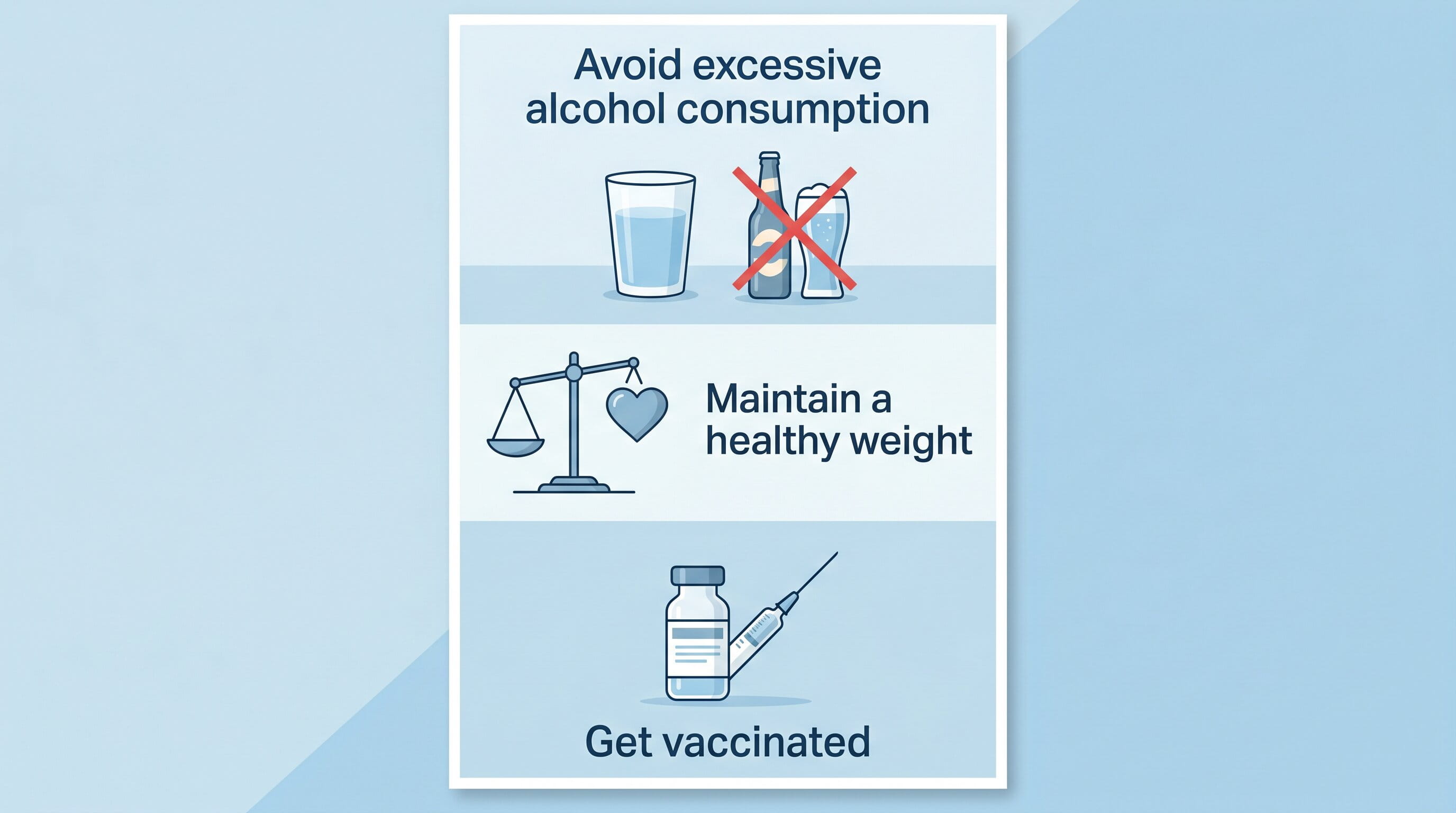
There is no guaranteed way to prevent liver cysts, but certain lifestyle choices and preventive measures can support overall liver health and reduce the risk of complications.
- Avoid Excessive Alcohol Consumption: Heavy alcohol use can damage the liver and lead to conditions like cirrhosis, which may increase the risk of liver-related complications.
- Maintain a Healthy Weight: Obesity and fatty liver disease can put extra strain on the liver and contribute to long-term liver issues.
- Get Vaccinated: Vaccination against hepatitis B can help protect the liver from viral infections that may lead to liver damage.
- Regular Check-Ups: If you have a family history of liver conditions such as polycystic liver disease, routine monitoring can help detect any changes early and guide timely care.
Conclusion
Liver cysts are generally benign and rarely pose a risk of cancer. However, certain types, such as hepatic cystadenomas or complex cysts, may need further evaluation to rule out malignancy. If you experience symptoms like persistent pain, jaundice, or rapid growth of a cyst, it is important to seek medical attention for proper diagnosis and management. Maintaining a healthy lifestyle and attending regular check-ups can support liver health and help reduce the risk of complications over time.