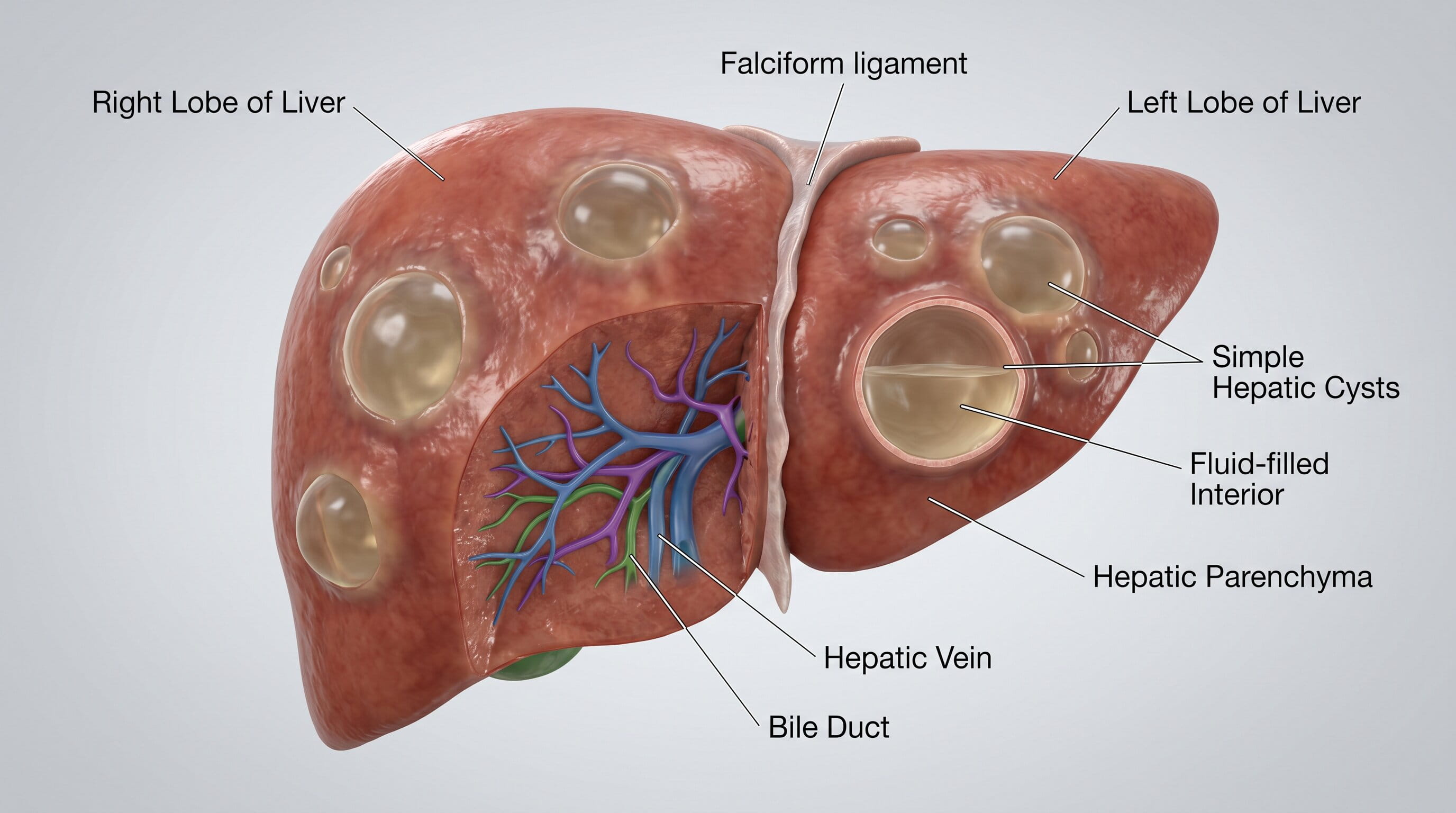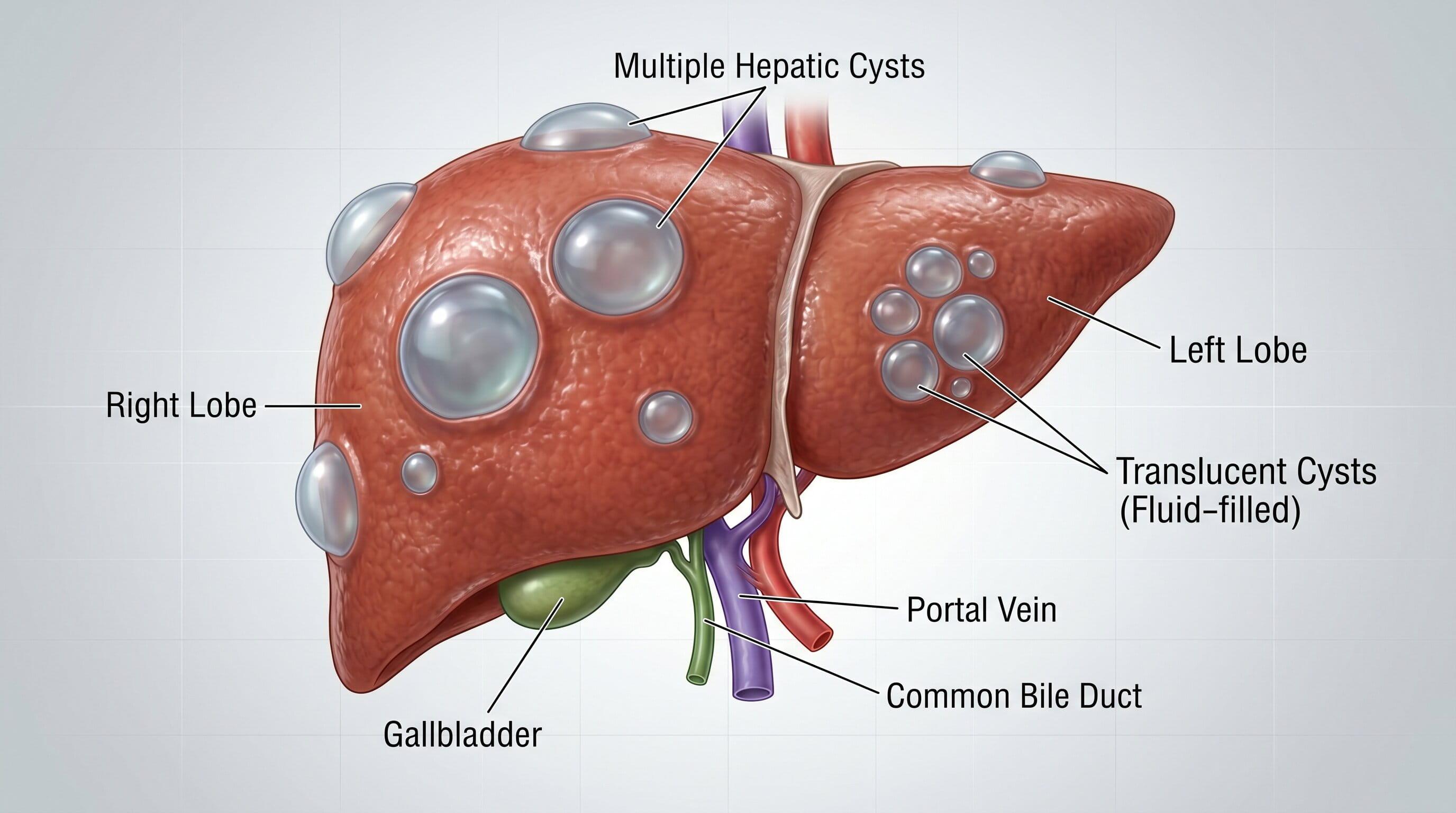
Living with liver cysts can be a challenging experience, especially if the cysts cause discomfort or affect your liver's function. However, many people with liver cysts lead healthy lives without major issues. In this blog, we will explore what it’s like to live with liver cysts, the potential complications you may face, and how you can manage your condition effectively.
Understanding Liver Cysts: A Quick Overview
Liver cysts are fluid-filled sacs that develop in the liver. Most are benign (non-cancerous) and asymptomatic, meaning they do not cause noticeable symptoms. However, in some cases, cysts can grow larger or multiply, leading to symptoms such as pain, bloating, or nausea.
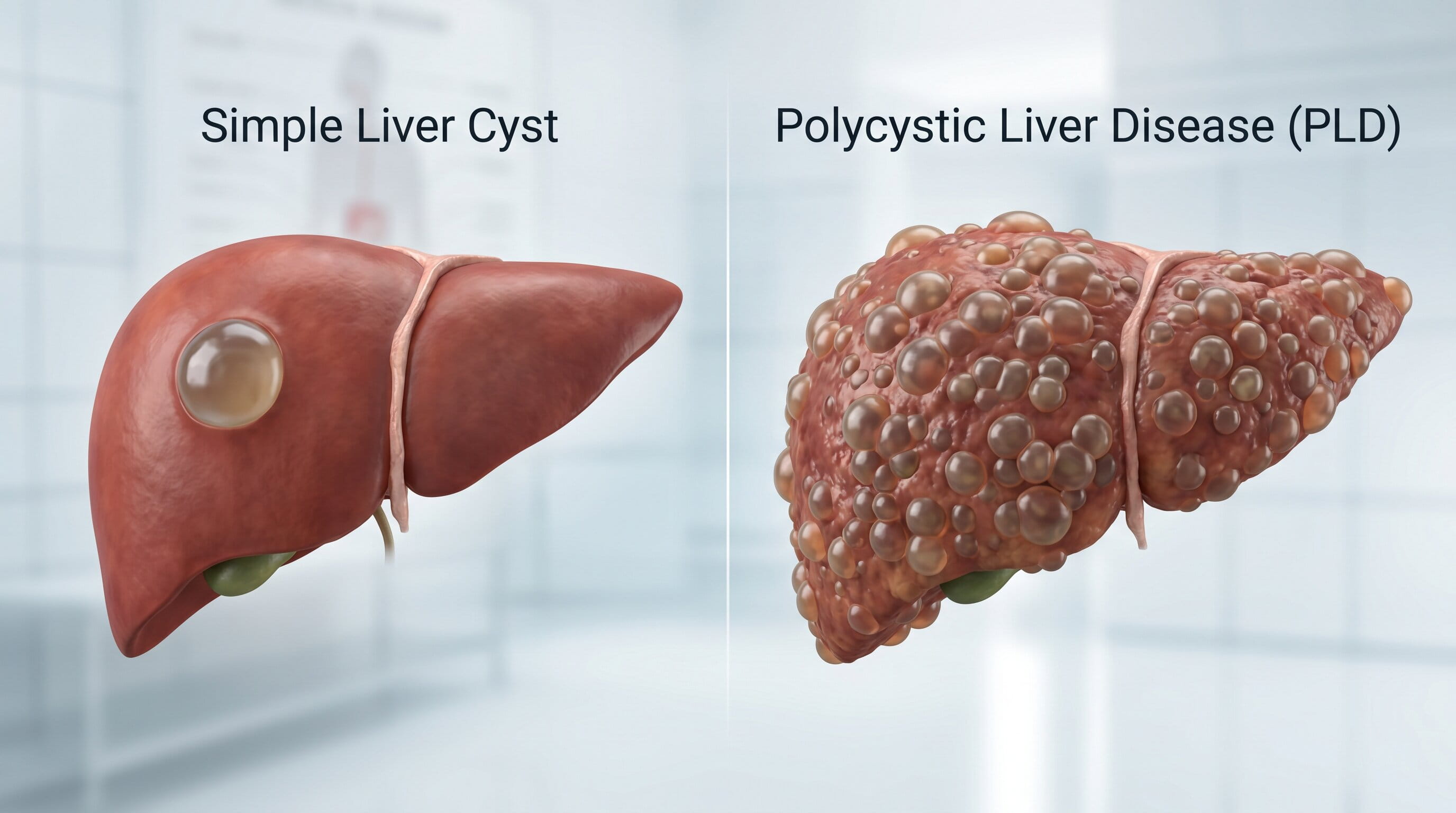
There are two primary types of liver cysts:
- Simple Liver Cysts: Usually small and filled with fluid. They rarely cause symptoms or complications.
- Polycystic Liver Disease (PLD): A genetic condition where multiple cysts form in the liver, which may lead to enlargement and potential complications over time.
What to Expect When Living with Liver Cysts
While many liver cysts do not cause problems, larger cysts or those associated with polycystic liver disease (PLD) may lead to various health issues. Here’s what you might experience while living with liver cysts:
1. Asymptomatic Cysts: The Silent Condition
Many people with liver cysts experience no symptoms at all. These cysts are often discovered incidentally during imaging tests performed for other conditions. If you fall into this category, treatment may not be necessary, and your doctor may simply recommend monitoring over time.
What You Can Do:
- Regular check-ups: Even without symptoms, periodic ultrasounds or MRIs may be advised to ensure the cysts are stable.
- Maintain a healthy liver: Support liver health by avoiding alcohol, eating a balanced diet, and staying physically active.
2. Pain and Discomfort: When Cysts Become Larger
Some individuals with liver cysts may develop abdominal pain or discomfort, particularly in the upper right side of the abdomen. This typically occurs when a cyst enlarges or presses against nearby organs. The intensity of pain can vary and, in some cases, may interfere with daily activities.
What You Can Do:
- Pain management: Over-the-counter medications like ibuprofen may help relieve mild discomfort. For more severe pain, consult your doctor for appropriate treatment.
- Lifestyle adjustments: Avoid heavy meals or overeating, as this can increase abdominal pressure and worsen symptoms.
- When to seek medical attention: If pain becomes severe, persistent, or is accompanied by symptoms such as fever or jaundice, seek medical care promptly.
3. Bloating and Fullness: The Feeling of Being "Full"
Large liver cysts can cause a sensation of bloating or feeling full, even after eating small amounts of food. This happens when the cysts put pressure on the stomach and intestines, affecting normal digestion.
What You Can Do:
- Eat smaller, frequent meals: Helps reduce pressure on the stomach and improves comfort.
- Avoid carbonated beverages: These can increase gas and worsen bloating.
- Consult a gastroenterologist: If bloating is severe or persistent, medical evaluation may be needed.
4. Nausea and Vomiting: The Digestive Disruption
Some individuals with larger liver cysts may experience nausea or vomiting, particularly after eating. This can occur due to pressure on the digestive system or, in rare cases, if a cyst becomes infected.
What You Can Do:
- Stay hydrated and eat bland foods: This can help manage nausea and reduce digestive discomfort.
- Seek medical advice: If vomiting persists, consult your doctor to rule out complications such as infection or cyst rupture.
5. Complications in Polycystic Liver Disease (PLD)
Individuals with Polycystic Liver Disease (PLD) may experience additional challenges. PLD is a genetic condition in which multiple cysts develop in the liver over time. This can lead to liver enlargement, abdominal discomfort, and in some cases, reduced liver function. Although rare, advanced cases may lead to liver failure, typically later in life.
What You Can Do:
- Regular monitoring: Routine imaging and liver function tests help track cyst growth and overall liver health.
- Preventative care: Avoid smoking and limit alcohol intake to reduce additional stress on the liver.
- Surgical options: If symptoms become severe or liver function declines, your doctor may recommend surgical intervention or other advanced treatments.
Living Well with Liver Cysts: Key Tips for Managing Your Condition
Living with liver cysts requires some lifestyle adjustments and careful monitoring. Here are several key strategies to help you manage your condition and live a healthy, active life:
1. Eat a Healthy, Balanced Diet
Eating a liver-friendly diet is essential for supporting overall liver health. Focus on nutrient-rich foods that help maintain proper liver function:
- Fruits and vegetables: High in antioxidants that help protect liver cells.
- Lean proteins: Include options like fish, chicken, and tofu for better metabolism support.
- Whole grains: Foods such as oats, brown rice, and quinoa provide sustained energy and fiber.
- Healthy fats: Sources like avocados, nuts, and olive oil support heart and liver health.

2. Exercise Regularly
Maintaining a healthy weight and staying active can help reduce strain on the liver. Aim for at least 30 minutes of moderate exercise most days of the week. Activities like walking, swimming, or cycling are effective and easy to maintain while supporting overall health.
3. Limit Alcohol and Toxins
Alcohol is a major contributor to liver damage. If you have liver cysts or any liver condition, it is best to avoid alcohol. Also, reduce exposure to environmental toxins such as chemicals and pollutants that may harm liver health.
4. Regular Check-ups with Your Doctor
Routine visits to your gastroenterologist are essential. These check-ups help monitor cyst growth, assess liver function, and guide symptom management. Depending on your condition, imaging tests may be recommended every 6 to 12 months.
5. Watch for Complications
Be alert for warning signs that may indicate complications related to liver cysts:
- Jaundice: Yellowing of the skin or eyes, which may suggest bile flow obstruction.
- Fever: Could indicate infection within a cyst.
- Severe pain or nausea: May signal cyst rupture or other complications.
Contact your doctor promptly if you notice any of these symptoms.