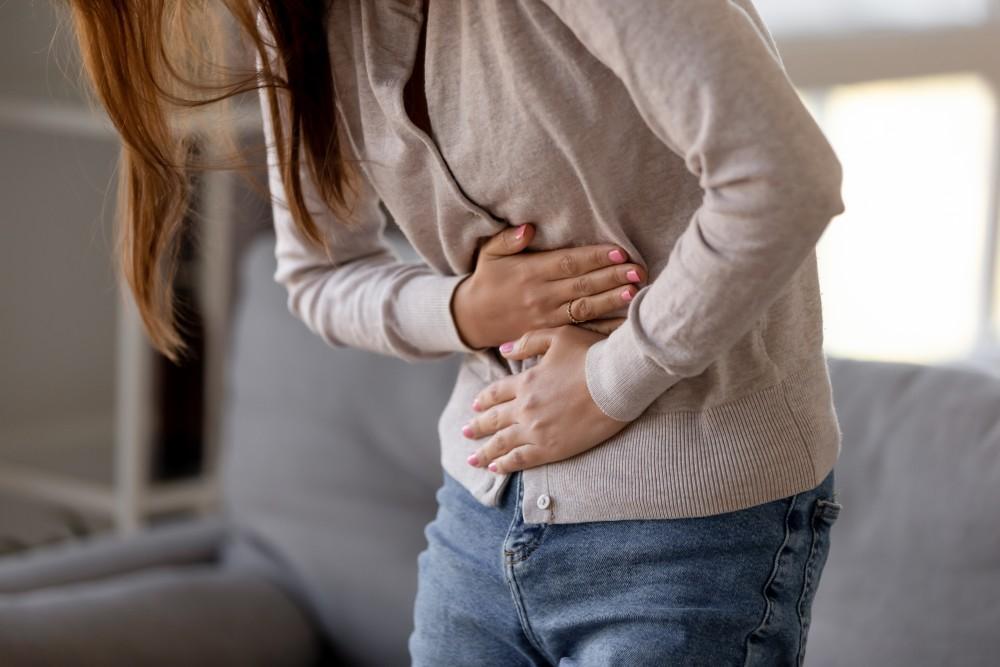








NSAID Enteritis refers to inflammation of the small intestine as a result of the frequent use of the non-steroidal anti-inflammatory drugs (NSAIDs) like ibuprofen or naproxen. The drugs may damage the mucous membrane of the intestine causing ulceration, hemorrhage and abdominal pain. The more serious complications may be prevented with the help of early recognition and treatment.
NSAID Enteritis symptoms are usually insidious, although they include:
NSAID Enteritis is usually a result of the weakening of the gut lining through factors:
At GastroDoxs (Katy), services provided are NSAID Enteritis treatment, appointments made on the same day, advanced diagnostics and tailored treatment plans. Our patient-oriented practice will give you a caring hand-correct diagnosis and iron-deficiency treatment to the time-tested healing techniques. Remember intestinal inflammation, do not set your life rules. Plan your next appointment and start to achieve the great results and receive the improved power of the bowels.
We've successfully treated more than 1K patients, helping individuals improve their digestive health and overall well-being through expert, personalized care.
With over 20 years of experience, GastroDoxs has been a trusted provider of gastroenterology care, focusing on delivering the best outcomes for patients

Dr. Bharat Pothuri is a Board-Certified Gastroenterologist and Hepatologist. With extensive experience in digestive health, he specializes in advanced endoscopic procedures, chronic GI disorder management, and preventive care. Dr. Pothuri is dedicated to providing expert, patient-focused insights to help improve gut health and overall well-being.
Gastritis involves the stomach linings and NSAID Enteritis would involve inflammation to the small intestine that is as a result of the use of the NSAIDs.
Yes. Chronic bleeding of the inflamed small intestine could cause iron deficiency anemia and resultant fatigue.
When patients stop to take NSAIDs and start to receive the corresponding treatment, most of them start to feel better within four to eight weeks.
Yes. When this is identified in the early stage and the use of NSAIDs is stopped, the inflammation usually lingers away and the intestine may recover.
Diagnosis can also incorporate blood tests to identify anemia, stool tests to identify bleeding and endoscopy to see and examine the small intestine.
Yes. Prescription of acetaminophen, physical therapy, topical treatments, or some prescription medications can be used to reduce the pain without the risks of NSAIDs.
Mostly the use of proton pump inhibitors is advised in terms of short-term treatment; however, over an extensive duration of time, your doctor will need to monitor their use to prevent any untreatable effects.
Symptoms can be minimized with a low-fiber diet that contains low levels of spices and irritants. In case you have anemia, then add iron rich foods such as lean meat, beans and leafy greens.
It is true that probiotics can help to keep the gut healthy and hasten recovery, however, you should always speak to your doctor before you start on any supplement.
GastroDoxs Katy is a facility providing skilled treatment of NSAID-induced gut disorders that achieve same-day service and early-stage diagnostic equipment to get you on the mend.