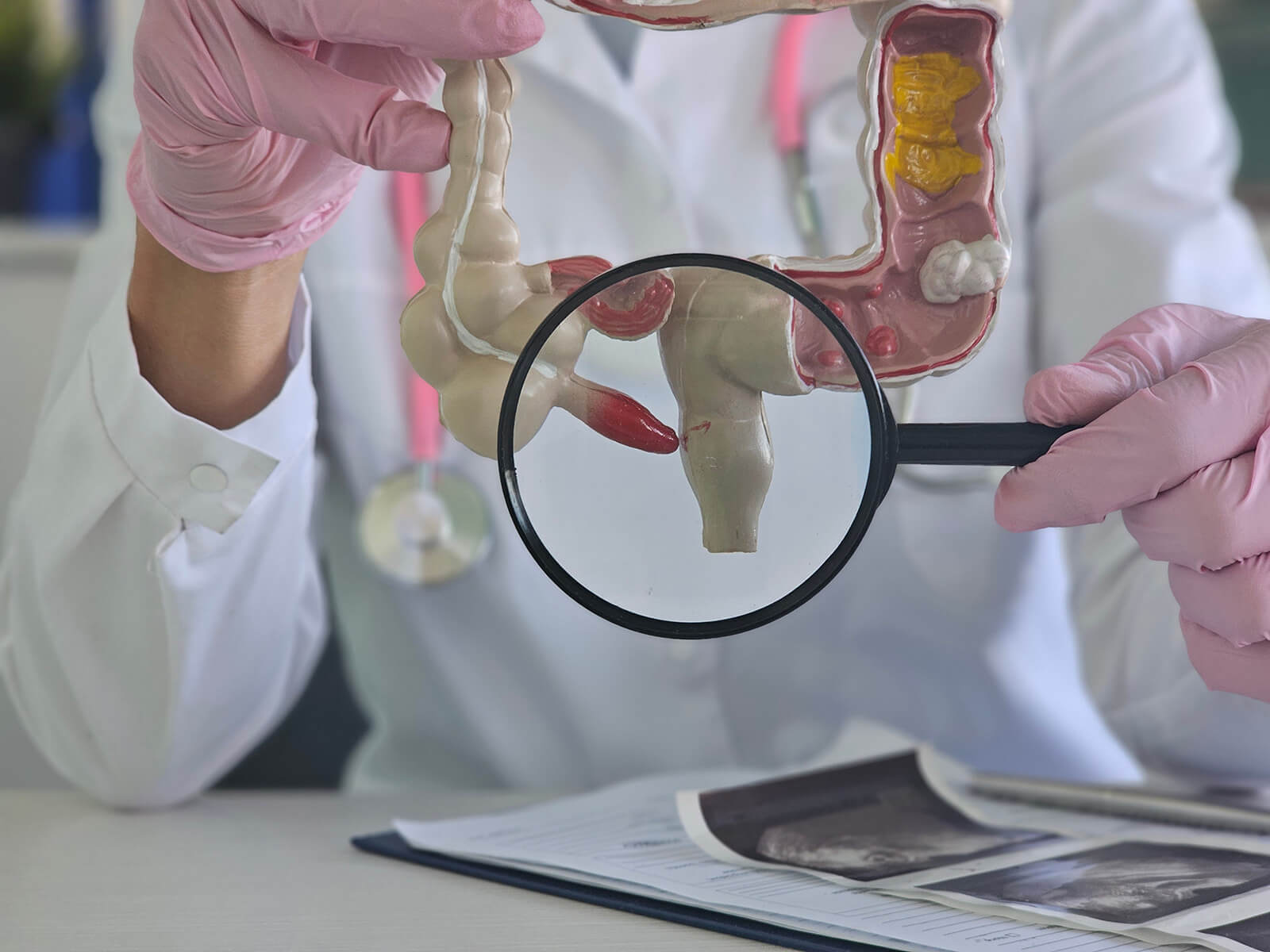








A variculated ulcer is a tiny hole or vessel that occurs in the intestinal or urinary tract wall. Although it can be seen that some divertica do not cause problems and do not pose any threat, some may cause discomfort, infection, or complications in case they become swollen, hemorrhage, or block an ordinary functioning.
Many people with a diverticulum have no symptoms at first. When problems develop, you may experience:
Diverticula form when the inner lining of an organ pushes through a weak spot in the muscular wall. Common factors include:
In GastroDoxs in Katy, our expert employees are focused on the treatment of diverticulum-they provide high-level diagnostics, individual treatment schemes, and professional help throughout the process. It can be diet, non-surgical treatments, or minimally invasive surgery, we are determined to ensure that you get a permanent relief and change in the quality of life. Make or reserve your appointment now, to control your stomach.
We've successfully treated more than 1.5K patients, helping individuals improve their digestive health and overall well-being through expert, personalized care.
With over 20 years of experience, GastroDoxs has been a trusted provider of gastroenterology care, focusing on delivering the best outcomes for patients

Dr. Bharat Pothuri is a Board-Certified Gastroenterologist and Hepatologist. With extensive experience in digestive health, he specializes in advanced endoscopic procedures, chronic GI disorder management, and preventive care. Dr. Pothuri is dedicated to providing expert, patient-focused insights to help improve gut health and overall well-being.
A bladder diverticulum refers to a hole that occurs in the bladder wall. It can pool urine, leading to stasis and increasing the risk of urinary tract infections or stones.
No. Many diverticula are asymptomatic and small. However, some may bleed, become infected, cause discomfort or obstruction, and require medical or surgical treatment.
MRI is the best technique to identify urethral diverticula. This imaging test shows the exact location and size of the pouch relative to the urethra.
The "rule of 2" means that Meckel's diverticulum occurs in roughly 2% of the population, is about 2 inches long, located approximately 2 feet from the ileocecal valve, often presents before age 2, and may contain two types of ectopic tissue.
An uncomplicated duodenal diverticulum is coded as ICD-10 K57.91, which denotes diverticulosis of the small intestine without perforation or abscess.
It can initially be managed with antibiotics to treat infections. If symptoms persist or complications arise, surgical removal of the diverticulum may be required.
Yes. A high-fiber diet softens stool, reduces pressure on the bowel wall, and may help prevent the formation or progression of colonic diverticula.
It may cause painless rectal bleeding leading to anemia, abdominal pain, or signs of intestinal obstruction, particularly in children.
No. Most diverticula can be managed with dietary changes, increased fluids, and medications. Surgery is reserved for persistent complications such as obstruction, bleeding, or abscess.
GastroDoxs in Katy is a medical center providing diagnosis, testing, and individualized care for diverticula of any type. Contact the office to schedule a consultation.