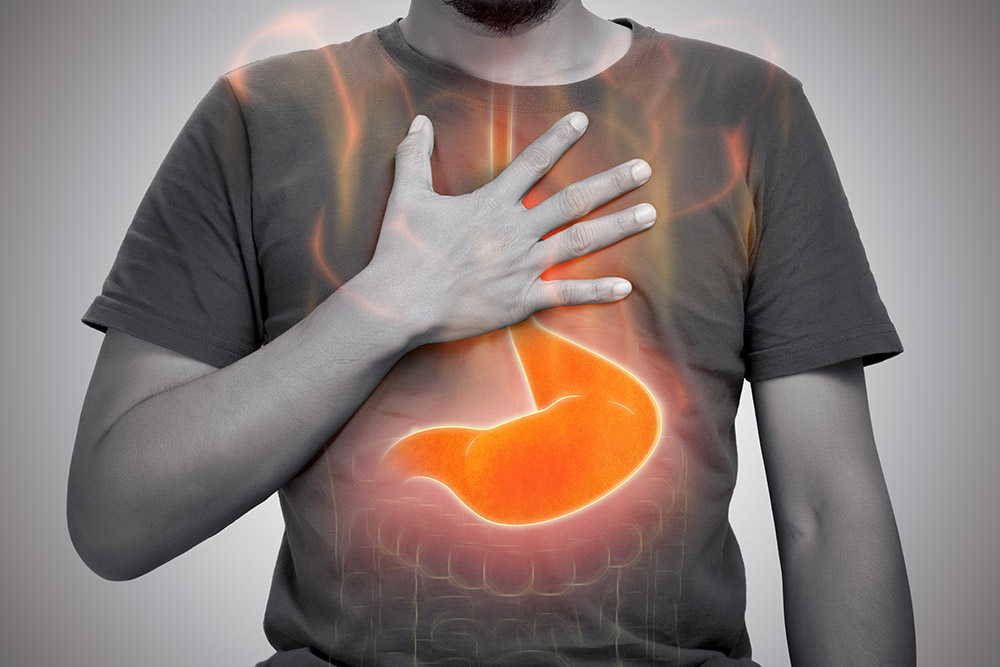








Proctalgia Fugax is a pathology characterized by allergic acute, sharp, and sporadic contractions of the rectum lasting longer than a few seconds to a few minutes. The pain may even be quite intensive, but it is not associated with a severe disease, gets automatically resolved, and does not produce permanent harm.
Most people with Proctalgia Fugax experience brief, intense episodes of rectal pain without other warning signs. Typical symptoms include:
The exact cause of Proctalgia Fugax is unknown, but most experts believe it's linked to sudden cramping of the muscles that support the lower rectum or to nerve irritation. Common triggers include:
You do not have to work out rectal pain accidentally on your own. Our team at GastroDoxs in Jersey Village is board-certified to provide a tailored assessment, specific interventions, and continued care so that you can deal with Proctalgia Fugax and recuperate your comfort again. Book your appointment today and receive professional medical attention and a disease treatment strategy that best suits you.
We've successfully treated more than 1K patients, helping individuals improve their digestive health and overall well-being through expert, personalized care.
With over 20 years of experience, GastroDoxs has been a trusted provider of gastroenterology care, focusing on delivering the best outcomes for patients
Dr. Bharat Pothuri is a Board-Certified Gastroenterologist and Hepatologist. With extensive experience in digestive health, he specializes in advanced endoscopic procedures, chronic GI disorder management, and preventive care. Dr. Pothuri is dedicated to providing expert, patient-focused insights to help improve gut health and overall well-being.
Proctalgia Fugax is a short acute sharp pain in the rectum, which can be experienced only a couple of seconds to two minutes. The pain may be severe but it does not cause any permanent harm and may ordinarily resolve on its own.
Quick, stabbing pain lasting up to two minutes characterizes Proctalgia Fugax, whereas Levator Ani Syndrome results in a persistent dull pain in the pelvic floor muscles lasting 20 minutes or longer.
The cause remains unclear, but it may result from sporadic muscle spasms of the anal or pelvic floor muscles, irritation of nerves in the rectal canal, stress or anxiety, and in some women, during menstruation.
Yes. Some women experience Proctalgia Fugax attacks coinciding with their menstrual period, which increases susceptibility during that time.
No. Although the pain can be severe and disruptive, it is not life-threatening and does not cause permanent tissue damage or other serious complications.
Diagnosis involves taking a detailed history, performing a physical examination, and if necessary, conducting tests to rule out other causes of rectal pain such as infections, hemorrhoids, or more serious conditions.
Yes. Home measures include taking warm baths to relax pelvic muscles, performing gentle pelvic floor stretches, using over-the-counter pain relievers for short-term relief, and practicing deep breathing or stress-reduction techniques.
Consult a doctor if episodes are frequent, severe enough to disrupt sleep or daily activities, or if you experience additional symptoms such as bleeding, discharge, or pain between attacks.
There is no direct link between diet and Proctalgia Fugax episodes. However, a balanced diet and proper hydration support overall digestive health and may prevent additional anorectal problems.
At GastroDoxs, we provide personalized care plans including referrals to pelvic floor physical therapy, customized pain management strategies, stress-reduction techniques, and ongoing follow-up to help you achieve long-term relief and comfort.