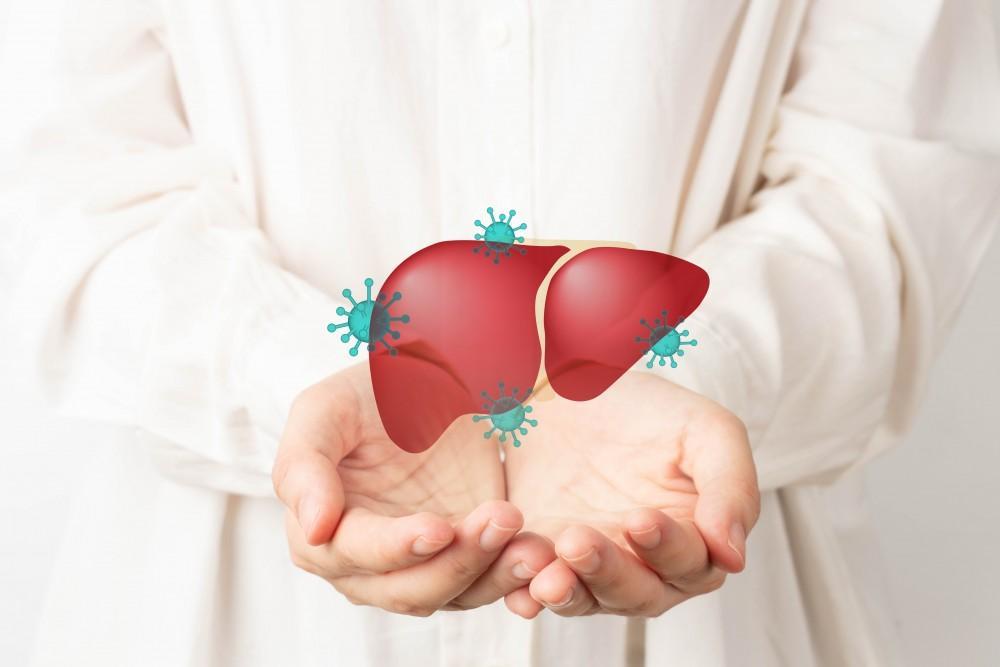








A liver cyst is a round, fluid-filled due to its development in the liver tissue. Possibly cysts are either simple (thin wall and harmless) or complex (thick wall and internal division). The majority of them are incidental and not harmful, and are detected as a result of imaging studies including ultrasound, CT scan or MRI.
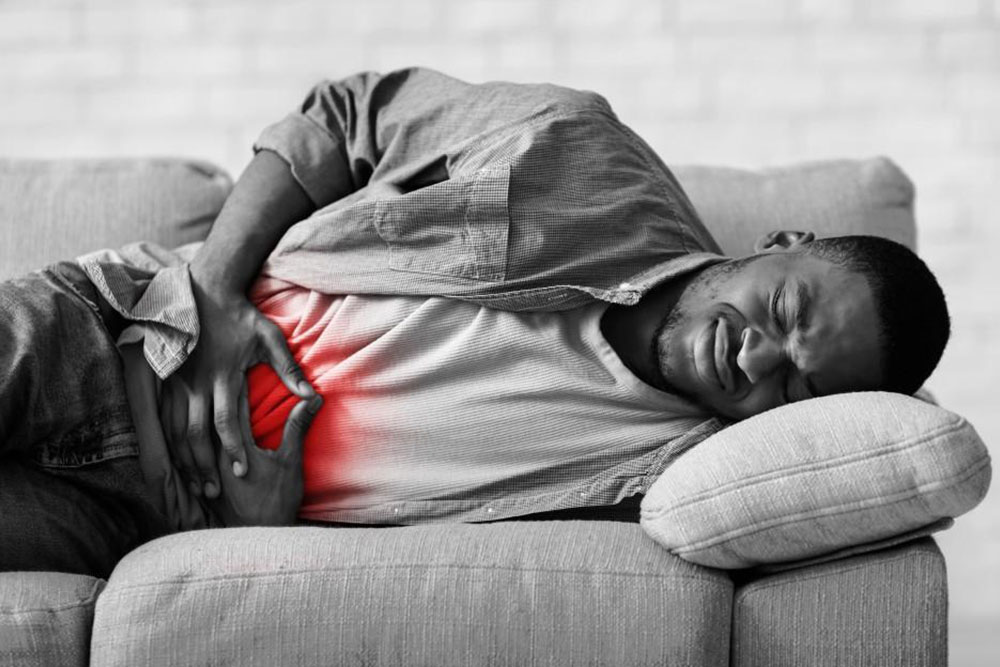
Many people with liver cysts experience no symptoms. When a cyst grows large enough, you may notice:
Symptom severity often relates to cyst size:
Although several simple liver cysts develop without a distinct precipitating agent, the following factors are known to cause them:
In Jersey village, we have board-certified gastroenterologists who specialize in the diagnosis and treatment of liver cysts GastroDoxs. Our level of imaging, minimally invasive treatments and tailored treatment plans ensure that we are putting a premium on your comfort and the liver health after a long duration. Ready to get started?
Book your appointment today and take control of your liver health.
We've successfully treated more than 360 patients, helping individuals improve their digestive health and overall well-being through expert, personalized care.
With over 20 years of experience, GastroDoxs has been a trusted provider of gastroenterology care, focusing on delivering the best outcomes for patients
Dr. Bharat Pothuri is a Board-Certified Gastroenterologist and Hepatologist. With extensive experience in digestive health, he specializes in advanced endoscopic procedures, chronic GI disorder management, and preventive care. Dr. Pothuri is dedicated to providing expert, patient-focused insights to help improve gut health and overall well-being.
Simple liver cysts are highly prevalent and are incidental and occur in up to 5 percent of individuals by the age of 50 when they are imaged.
A large percentage of small cysts of the liver do not grow or show any signs of reducing in size in the long run without treatment or intervention.
A specialist should be consulted in case of persistent pain in the abdomen, fever, cysts growing very fast or any acute exacerbation of the symptoms.
The vast majority of liver cysts are harmless and do not relate to any cancer; complex cysts are to be a subject of assessment; very seldom they turn to be cancerous.
Whether the cyst is big, where it is, and whether it is benign or neoplastic is just done by imaging by means of ultrasound, CT scan, or MRI.
Small bile ducts filled with fluid, residual embryonic cells, genetics or, hardly, infection or injury are usually the cause of liver cysts.
Majority of cysts in the liver are benign; though, large and complicated cysts can create pain, infection, or cause bleeding and need to be treated.
Using a size chart helps track cyst growth and guides decisions between watchful waiting and more active treatment.
No specific diet cures liver cysts, but a balanced, liver-friendly diet can support overall liver health and symptom management.
Polycystic liver disease can be inherited-often alongside kidney cysts-while simple liver cysts usually occur sporadically.