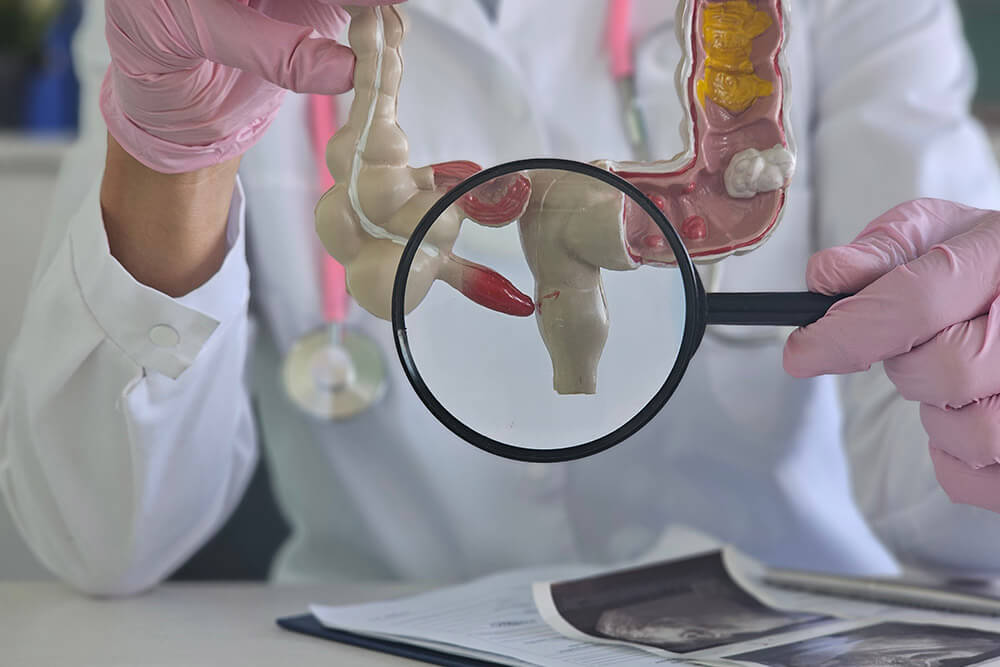








Anastomosis status/status of intestinal bypass defines the status of your bowel following surgery to bypass or reconnect a segment of the bowel. By tracking this status, your care team would be able to observe healing of the join, to note how narrowing (strictures) occurs, healing and scar tissue, and to be able to detect leaks and make sure that the bowel is functioning the way it is supposed to.
Although case healed easily, the following could be observed:
Slowing of healing or causing complications at anastomosis site can be caused by a number of factors:
GastroDoxs is an intestinal lymphangiectasia diagnosis and treatment center offering patient-centered care at the Jersey Village. Our highly trained staff works with the help of high-level endoscopy and imaging, develops targeted diets with MCT, and conducts frequent lab tests to control the symptoms and normalize the nutrient levels. Provide us with a call or book your appointment with our center right now so that you could begin on your own care plan to make your digestive system healthier.
We've successfully treated more than 1.5K patients, helping individuals improve their digestive health and overall well-being through expert, personalized care.
With over 20 years of experience, GastroDoxs has been a trusted provider of gastroenterology care, focusing on delivering the best outcomes for patients
Dr. Bharat Pothuri is a Board-Certified Gastroenterologist and Hepatologist. With extensive experience in digestive health, he specializes in advanced endoscopic procedures, chronic GI disorder management, and preventive care. Dr. Pothuri is dedicated to providing expert, patient-focused insights to help improve gut health and overall well-being.
The healing process of most patients takes place in 6 to 8 weeks. Recovery time differs among people based on general health, dieting and the level of adhering to the instructions on post-operative care.
Local infections, strictlyuretic (narrowing) formation of the surgical connection, and anastomotic leakage (essentially) are the commonest complications.
Use liquids and then soft low-fiber food. Introduce high protein foods slowly and do not consume hard to digest foods without the clearance of your doctor.
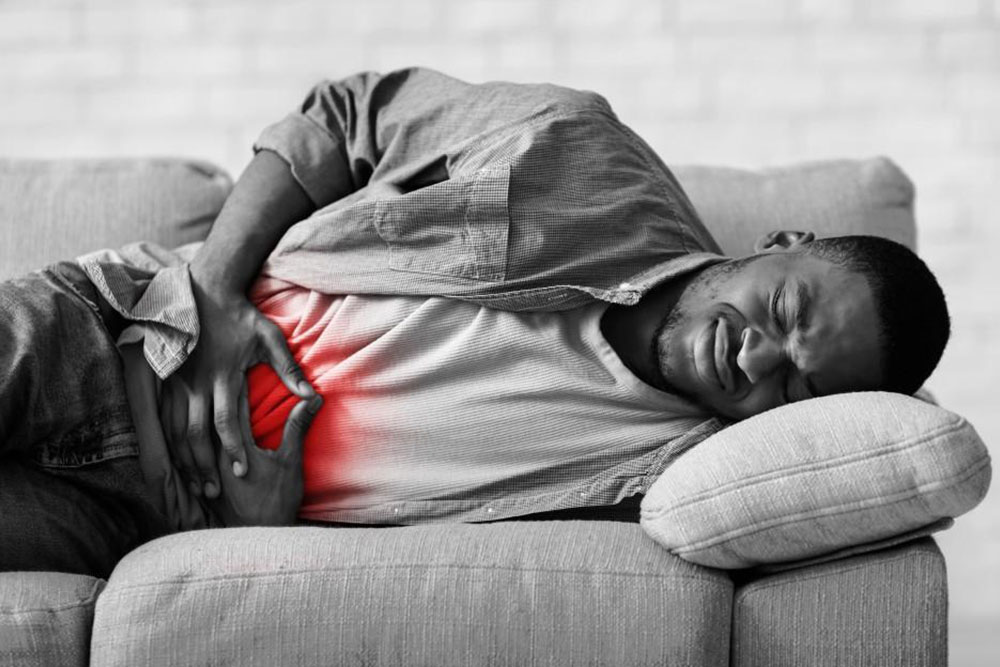
Normal post-surgical inflammation, tension on the join or scar tissue during healing of the bowel may also cause pain.
Should you acquire some constant aches, fever or other indications of infection, CT scan will assist in the discovery of leaks, abscess or other complication.
Majority of the patient recover and resume normal activities in 2 weeks and resume normal activities in 6 to 8 weeks of time, some being influenced by the recommendation of their surgeons and the progress of their recovery.
Call health care facility when experiencing fever, sharp or increasing abdominal pain, unexplainable bleeding or fluid leaking through the site of incision.
Yes. Endoscopy balloon dilation reacts well to many strictures, child-mindedly dilating the narrowed field without any formal surgery.
The common follow-up is in 2 weeks, 6 weeks and 3 months after surgery. After the initial visit, the additional visits can be arranged depending on your symptoms or recovery requirements.
Have a good lifestyle by stopping to smoke, eating, hydration and stress to maintain gut health.