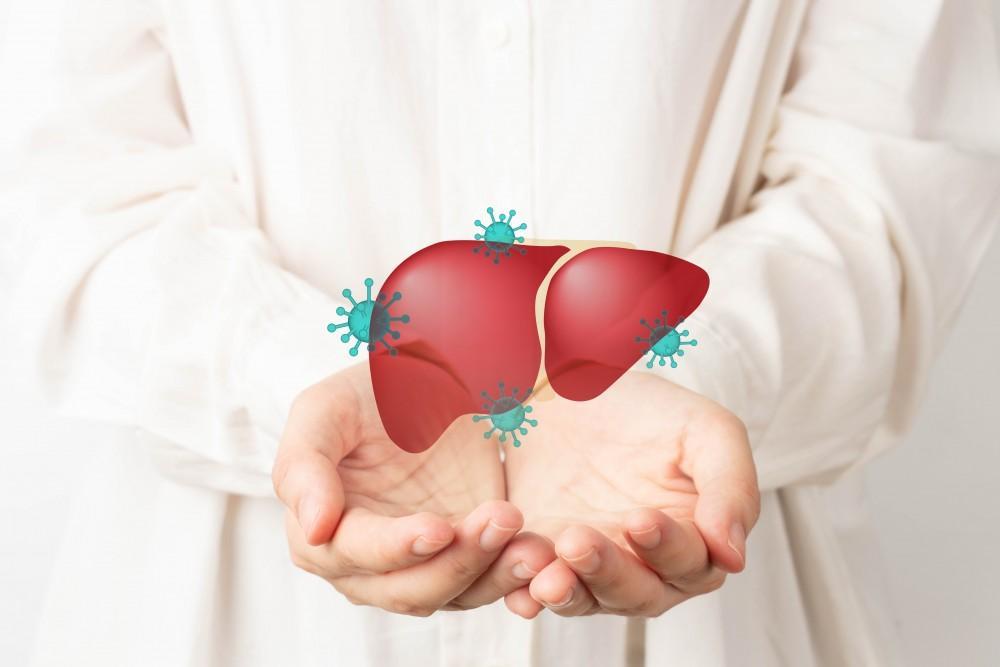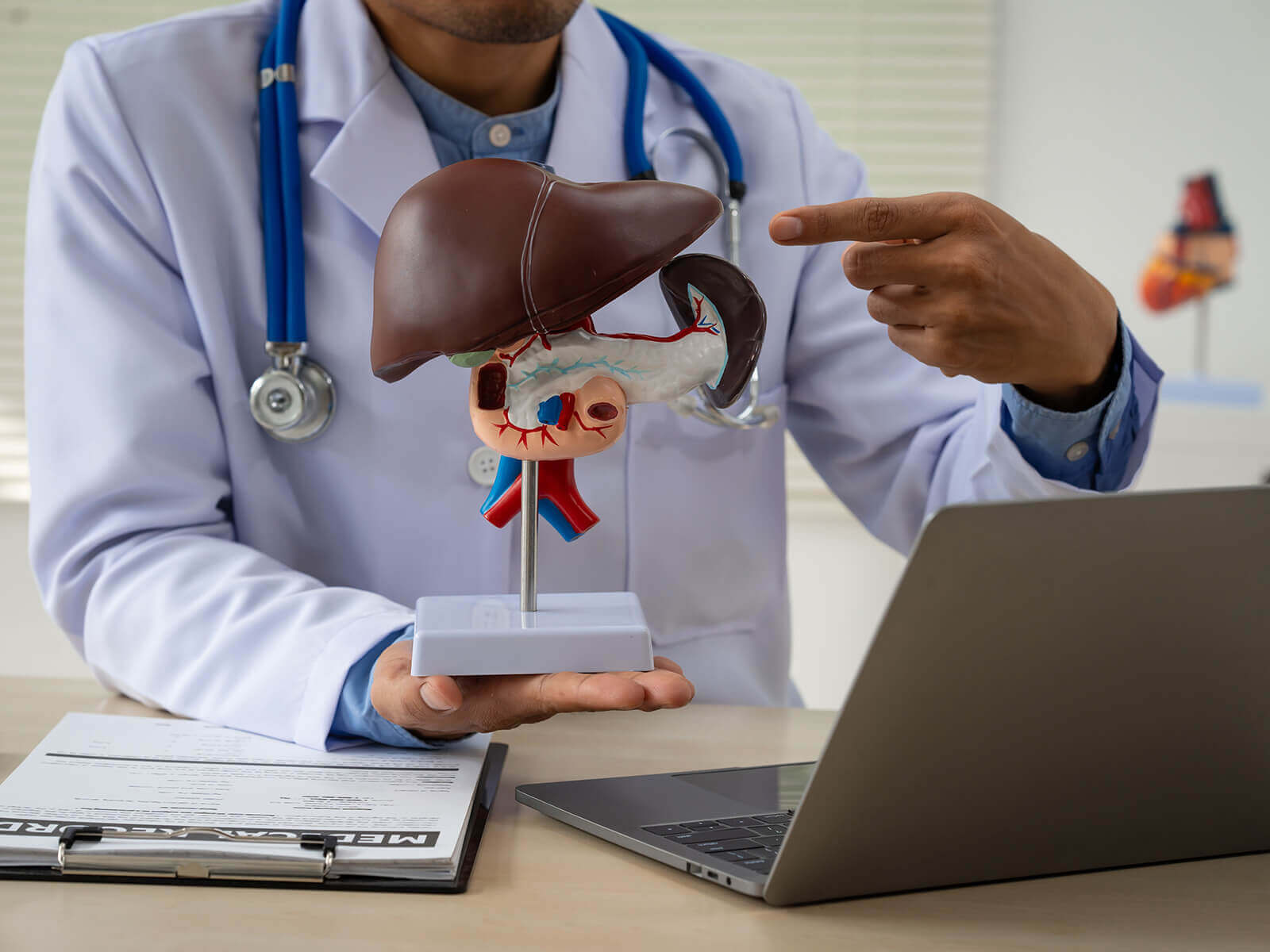








Fatty liver disease occurs when excess fat builds up in the liver cells. In its early stages, this condition may not cause noticeable symptoms, but over time it can lead to inflammation and liver damage. A more serious form, known as non-alcoholic steatohepatitis (NASH), can progress to liver scarring if left untreated. Early diagnosis and treatment can help prevent complications and protect long-term liver health.
Fatty liver disease often has no symptoms in the early stages. As the condition progresses, some people may experience:
Several factors can increase the risk of developing fatty liver disease, including:
Fatty liver disease can often be improved or reversed with early treatment and healthy lifestyle changes. At GastroDoxs in Jersey Village, our gastroenterology specialists develop personalized treatment plans to reduce liver fat, control inflammation, and protect long-term liver health.
You should consult a gastroenterologist if you experience any of the following:
Early diagnosis and treatment can help prevent fatty liver disease from progressing to more serious conditions such as liver inflammation, fibrosis, or cirrhosis.
Our gastroenterologists are board certified and can therefore offer the best services to our fatty liver patients in Jersey village in our advanced fatty liver blood tests or in the treatment of acute fatty liver of pregnancy or a customized diet and a lifestyle intervention. We use the existing diagnostics and caring and patient-oriented care in order to make sure that you reverse fatty liver and secure your future health. Today you must make your appointment with the famous gastroenterologist of Jersey Village and make your liver well in your hands!
We've successfully treated more than 9K patients, helping individuals improve their digestive health and overall well-being through expert, personalized care.
With over 20 years of experience, GastroDoxs has been a trusted provider of gastroenterology care, focusing on delivering the best outcomes for patients
Dr. Bharat Pothuri is a Board-Certified Gastroenterologist and Hepatologist. With extensive experience in digestive health, he specializes in advanced endoscopic procedures, chronic GI disorder management, and preventive care. Dr. Pothuri is dedicated to providing expert, patient-focused insights to help improve gut health and overall well-being.
A structured 7-day meal plan can help start healthy eating habits and support weight loss. For people with fatty liver disease, reducing calorie intake, limiting sugar and processed foods, and eating balanced meals can help decrease liver fat. Long-term dietary changes and regular physical activity are essential for sustained weight management.
Currently, there is no FDA-approved medication specifically for fatty liver disease (NAFLD). Treatment usually focuses on lifestyle changes such as weight loss, healthy diet, exercise, and managing conditions like diabetes or high cholesterol to reduce liver fat and inflammation.
Blood tests for fatty liver typically measure liver enzymes such as ALT (alanine aminotransferase) and AST (aspartate aminotransferase). Elevated levels may indicate liver inflammation or damage. Doctors may also order additional tests or imaging studies like ultrasound to confirm fatty liver disease.
Fatty liver disease usually does not cause specific facial symptoms. However, some people may notice general signs of metabolic imbalance such as facial puffiness, redness, or fatigue. These symptoms are not diagnostic and should be evaluated along with other medical findings.
Yes. Losing about 5–10% of body weight can significantly reduce fat in the liver and improve liver function. Weight loss through a balanced diet and regular exercise is one of the most effective ways to reverse early stages of fatty liver disease.
Acute fatty liver of pregnancy is a rare but serious condition that occurs in late pregnancy when fat accumulates in the liver. It requires urgent medical care and is usually managed by obstetricians and specialists to protect both the mother and the baby.
Some supplements such as vitamin E, omega-3 fatty acids, and milk thistle may support liver health in certain patients. However, supplements should only be taken under medical supervision because their effectiveness and safety can vary depending on individual health conditions.
You should see a gastroenterologist if you have elevated liver enzymes, persistent fatigue, abdominal discomfort, obesity, or risk factors such as diabetes or metabolic syndrome. Early evaluation can help prevent fatty liver disease from progressing to more serious liver conditions.
A colonoscopy is not usually required to diagnose fatty liver disease. However, your doctor may recommend colon cancer screening based on your age, family history, or digestive symptoms as part of overall gastrointestinal health evaluation.
Yes, early stages of fatty liver disease can often be reversed with lifestyle changes such as weight loss, healthy diet, regular exercise, and control of diabetes or cholesterol levels.
People with fatty liver should limit sugary drinks, processed foods, refined carbohydrates, fried foods, and excessive alcohol. A diet rich in vegetables, fruits, whole grains, and lean proteins is generally recommended.
Doctors diagnose fatty liver using a combination of medical history, blood tests, imaging studies such as ultrasound or MRI, and sometimes specialized liver tests to evaluate liver inflammation and fat accumulation.