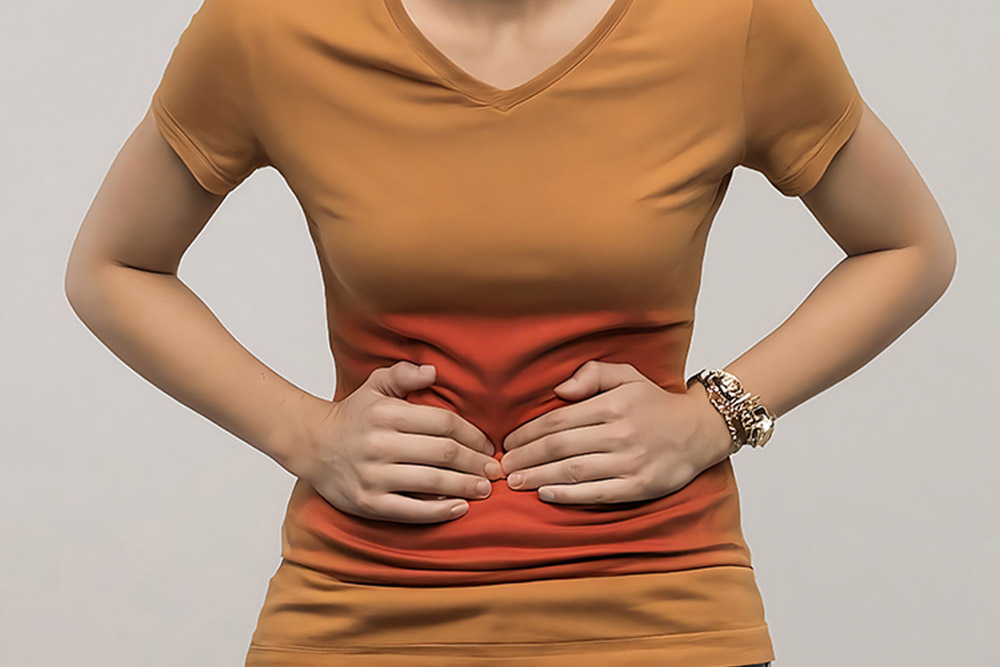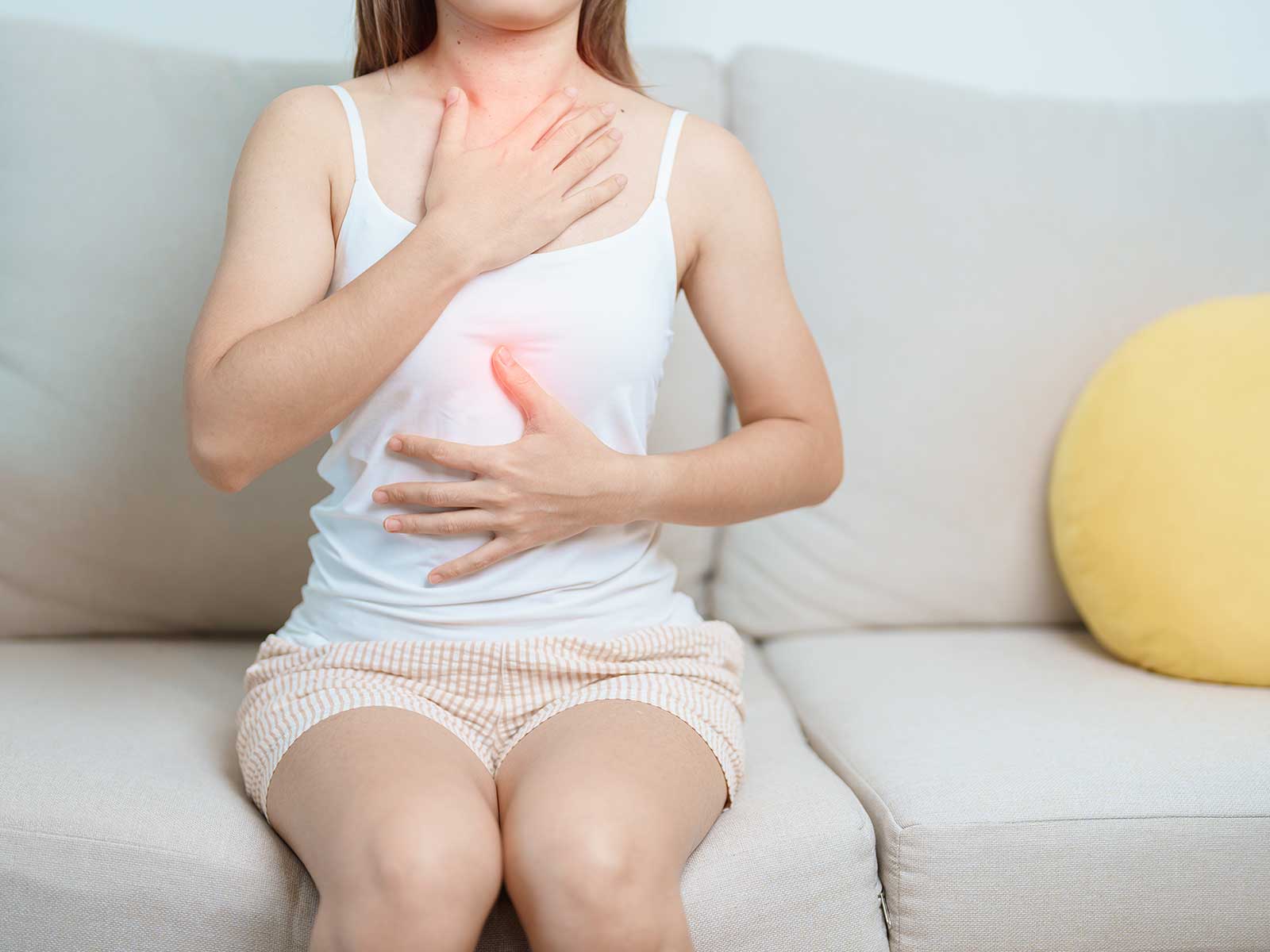








Eosinophilic Jejunitis is an inflammatory disease of the jejunum (middle section of the small intestine) which results from excessive accumulation of eosinophils, a type of white blood cell. These cells normally help fight infections, but when they build up in the gut lining, they trigger an inflammatory response, pain, and digestive dysfunction. Unlike eosinophilic enteritis, where several or all parts of the small intestine can be affected, eosinophilic jejunitis is limited to the jejunum.
The symptoms may be either acute or chronic. You may experience:
It is not necessarily well understood what the cause is, but various factors are known to contribute:
As a center aiming at patient-centered treatment and holistic solutions to digestive system problems, GastroDoxs offers specialized diagnostics and achieves positive outcomes in treating Eosinophilic Jejunitis. We are built on a culture of care and close personal attention, guiding you through testing, treatment, and continuous follow-up to ensure long-term relief and a better quality of life. There’s no need to wait to regain your health—make your reservation with GastroDoxs in Jersey Village today.
We've successfully treated more than 1K patients, helping individuals improve their digestive health and overall well-being through expert, personalized care.
With over 20 years of experience, GastroDoxs has been a trusted provider of gastroenterology care, focusing on delivering the best outcomes for patients
Dr. Bharat Pothuri is a Board-Certified Gastroenterologist and Hepatologist. With extensive experience in digestive health, he specializes in advanced endoscopic procedures, chronic GI disorder management, and preventive care. Dr. Pothuri is dedicated to providing expert, patient-focused insights to help improve gut health and overall well-being.
It is commonly diagnosed with the help of an upper endoscopy, which is performed to observe the jejunum, along with tissue biopsy to determine the number of eosinophils and blood tests to exclude other causes of gastrointestinal inflammation.
Yes. Trigger foods can be identified using an elimination diet prescribed by a physician. Some individuals find relief through strict avoidance of allergens, while others may also require medication to achieve symptom control.
No. Eosinophilic Jejunitis is limited to the jejunum (the middle section of the small intestine), whereas eosinophilic enteritis may affect any part of the small intestine or even the entire gastrointestinal tract.
Crohn’s disease can involve any part of the digestive tract and presents characteristic granulomas in biopsy samples. In Eosinophilic Jejunitis, inflammation is driven by eosinophils and confined to the jejunum, without granulomatous changes.
Not always, though food allergies are a frequent trigger. Allergy testing and closely monitored food trials help identify the specific foods responsible for inflammation.
Most patients use steroids such as budesonide for short-term remission. The goal is to taper and discontinue steroids once inflammation subsides, with other treatments or diets maintaining control thereafter.
Symptom relief often occurs within a few weeks of beginning treatment, though complete mucosal healing can take several months. Regular follow-up visits allow adjustments to your treatment plan as needed.
Yes. Children can experience eosinophilic gut disorders. Early detection and nutritional support are essential for promoting healthy growth and development.
A gastroenterologist experienced in eosinophilic gastrointestinal diseases is best suited to manage diagnosis, diet planning, and treatment.
Yes. Flare-ups may occur if trigger foods are reintroduced or treatment is stopped too soon. Consistent monitoring and early intervention help prevent symptom recurrence.