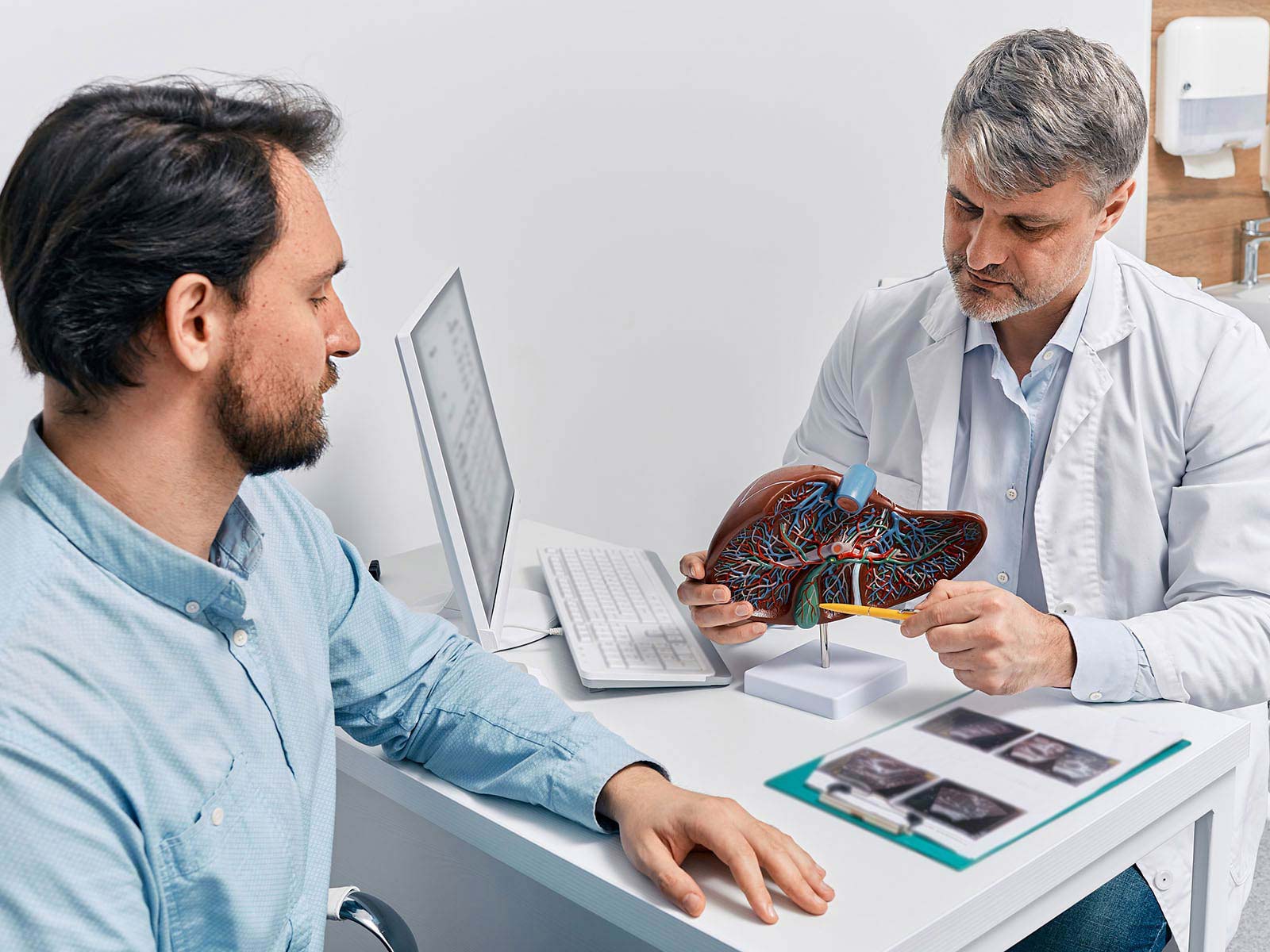








Cholesterolosis happens when the cholesterol is built up in the wall of the gallbladder forming small yellow-coloured spots that may produce a appearance of a strawberry in the ultrasound or when the guts are opened up during a surgery. In the majority of cases, it is asymptomatic and it usually is discovered accidentally on a radiograph or at the time of a gallbladder surgical operation.
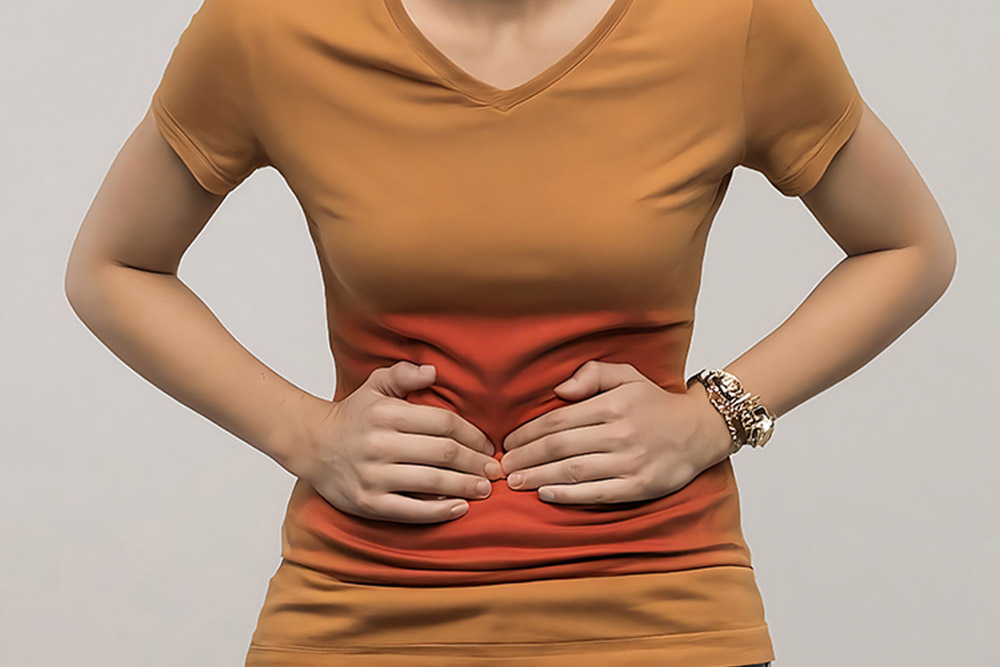
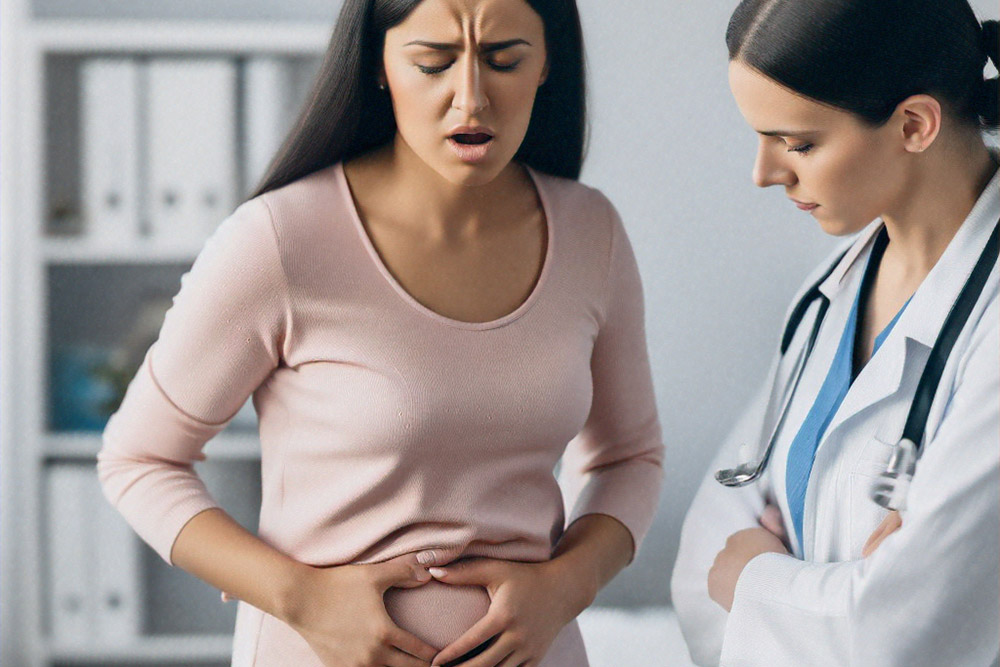
Most of the cholesterolosis sufferers are free of any pain. In case of the symptoms, you may observe:
Although the exact mechanism is not clearly known, factors which make the person more likely to have cholesterolosis include:
We focus on the health of the gallbladder and are patient-centred in GastroDoxs Jersey Village. State of the Are diagnostics such as ultrasound and specialized imaging are employed by our board certified GI physicians to detect and treat cholesterolosis. To make sure that you receive a sustained relief and better digestive systems we provide custom-made treatment regimes, including dietary advice and prescribed therapy, as well as continuous monitoring. Gallbladder in control. Make an appointment with GastroDoxs and receive professional attention and caring care.
We've successfully treated more than 536 patients, helping individuals improve their digestive health and overall well-being through expert, personalized care.
With over 20 years of experience, GastroDoxs has been a trusted provider of gastroenterology care, focusing on delivering the best outcomes for patients
Dr. Bharat Pothuri is a Board-Certified Gastroenterologist and Hepatologist. With extensive experience in digestive health, he specializes in advanced endoscopic procedures, chronic GI disorder management, and preventive care. Dr. Pothuri is dedicated to providing expert, patient-focused insights to help improve gut health and overall well-being.
A gallbladder ultrasound is the most commonly used method to diagnose cholesterolosis, and its appearance is the typical cholesterol deposition; a rarity biopsy can be used to confirm the diagnosis.
As a rule, it is non-infectious and does not have symptoms, although it is necessary to watch periodically in case of the onset of complications.
Yes. The low-fat, high-fiber diet with a healthy weight may lower the cholesterol level in the bile and alleviate the symptoms.
The medical records official ICD-10 code is K82.4.
It can cause soft upper right abdominal pain, bloating or nausea, following fatty foods.
Surgery is not necessary to most patients; cholecystectomy is only done in case of severe pain and any other problem of the gallbladder.
Yes. Excessive weight loss will raise the cholesterol levels in the bile, which favors the formation of cholesterol deposits in the gallbladder.
Another benign disease of the gallbladder is adenomyomatosis. Your doctor will consider both of the conditions and prescribe a treatment plan.
Some supplements such as bile acids or lecithin could also enhance the flow of the bile, but it is better to discuss and choose the supplement and the dose with your doctor.
The general follow-up recommendation is to perform a follow-up ultrasound of the gallbladder after every 6-12 months, or according to the specifics provided by your doctor.