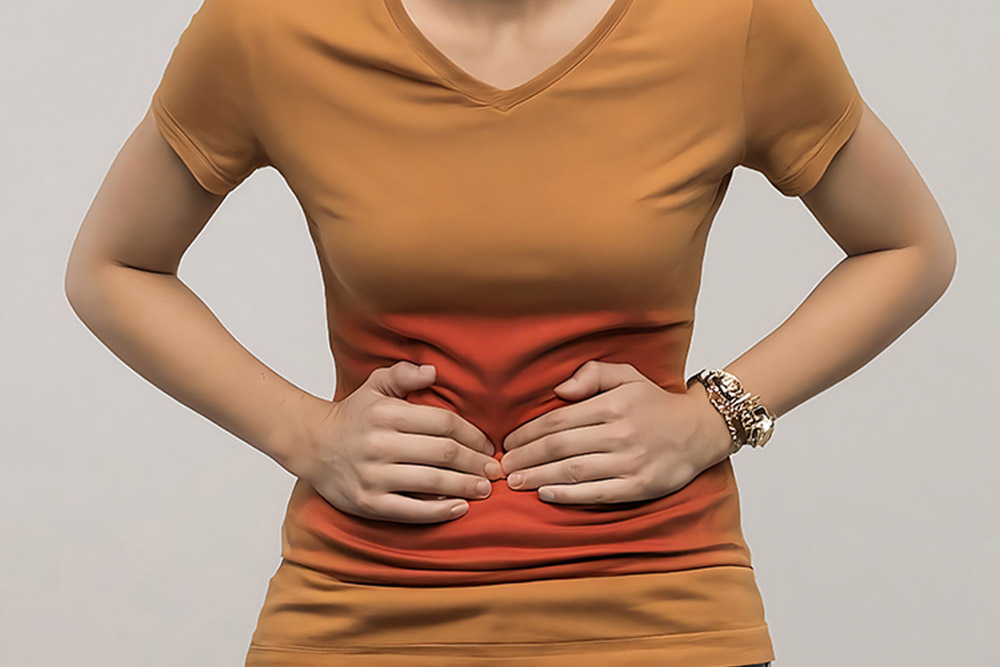
The celiac disease is an autoimmune disease whereby the consumption of wheat, barley and rye proteins- gluten leads to the destruction and damage of the small intestine by the immune system of the body. Such a loss is not temporary, which means that the absorption of the nutrients and a high risk of developing health issues are impaired. As compared to non-celiac gluten sensitivity, Celiac Disease is diagnosed medically and is characterized by the intestinal damage that is observed, which should be treated in all stages of life.
The symptoms vary with mild and severe and are not always the same in all the individuals. Other people have no visible symptoms, and some of them have multiple complications:
The formation of Celiac Disease is a result of a combination of a multitude of factors that could provoke an immune reaction with gluten:
No one awaits to receive care that he or she needs. The treatment of Celiac Disease at GastroDoxs Jersey Village will be provided by a team of skilled professionals depending on a unique and human-centered approach to the diagnosis and treatment of the disease. We will provide same-day appointment, direct instructions on how to live gluten-free and constant support to rejuvenate your health and vitality. Call or make a reservation and start the journey towards relief and permanent health.
We've successfully treated more than 288 patients, helping individuals improve their digestive health and overall well-being through expert, personalized care.
With over 20 years of experience, GastroDoxs has been a trusted provider of gastroenterology care, focusing on delivering the best outcomes for patients
Dr. Bharat Pothuri is a Board-Certified Gastroenterologist and Hepatologist. With extensive experience in digestive health, he specializes in advanced endoscopic procedures, chronic GI disorder management, and preventive care. Dr. Pothuri is dedicated to providing expert, patient-focused insights to help improve gut health and overall well-being.
This will be followed by the blood test ( tTG-IgA) to determine whether there are any antibodies. In the event of high quantity of antibodies, as a gastroenterologist, one can request to perform an endoscopic biopsy of the small intestine to rule out the diagnosis.
Home based tests are based on a small finger picking of blood that is identifying the amount of antibodies that are causing the incidence of celiac disease. Positive outcome refers to the additional investigation in the health facility such as the confirmatory blood test and even biopsy.
The presence of tissue transglutaminase antibodies (tTG-IgA) occurs in great amounts as an indicator of Celiac Disease. Nevertheless, the best test to be performed to make a conclusive diagnosis of the condition is the small intestine biopsy.
Celiac Disease in itself is not a disease that is fatal but without treatment, the disease would have caused dreadful complications such as malnutrition, osteoporosis, neurological and one of the intestinal cancer is a possibility of being a victim of the disease had no treatment been administered.
Celiac Disease is not a deadly disease but the negligence may have dire consequences in the future such as the development of cancer or may even cause death because of deficiency of nutrients.
Yes. The Celiac Disease is capable of afflicting any age group and most of them are diagnosed at 30s, 40s or later- many years later when it is still unknown on what it was about.
According to the Americans with Disabilities Act (ADA), a disability is considered as long as it has a great impact on the major life activities, which are eating, employment, and social wellbeing.
Non-celiac gluten sensitivity is a malady which bears the similarities of the digestive system or the systemic and does not lead to the development of antibody markers and intestinal lesion as is observed in Celiac Disease.
Celiac Disease is referred to as enfermedad celiaca in a Spanish language.
Celiac Disease cannot be cured by any amount of medication. Supplements that physicians can use to fix deficiencies, as well as aiding in the repair of intestines are the following ones; iron, calcium, vitamin D or B12.