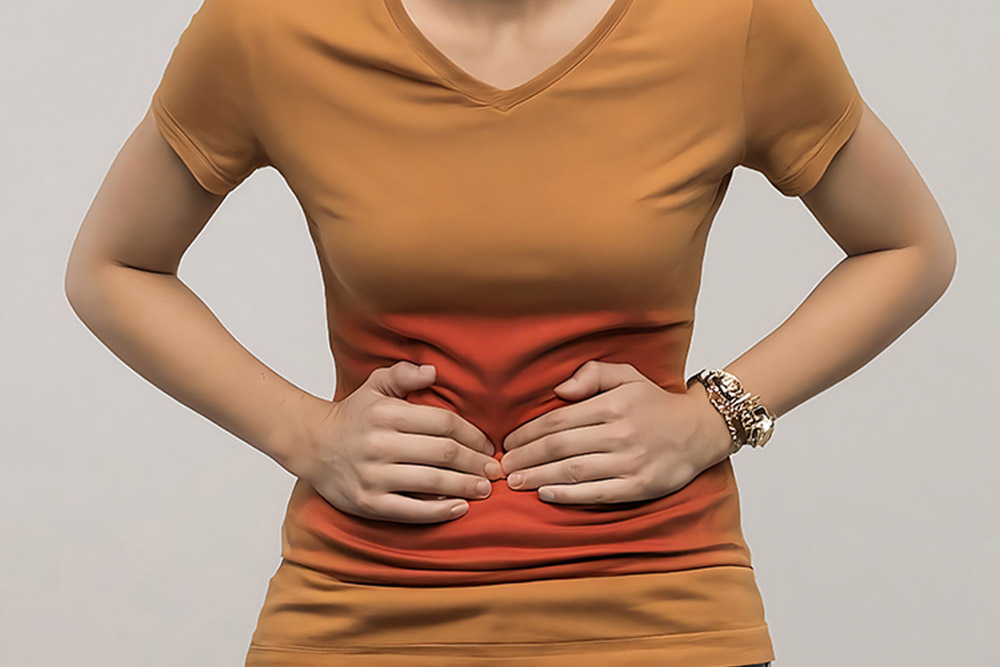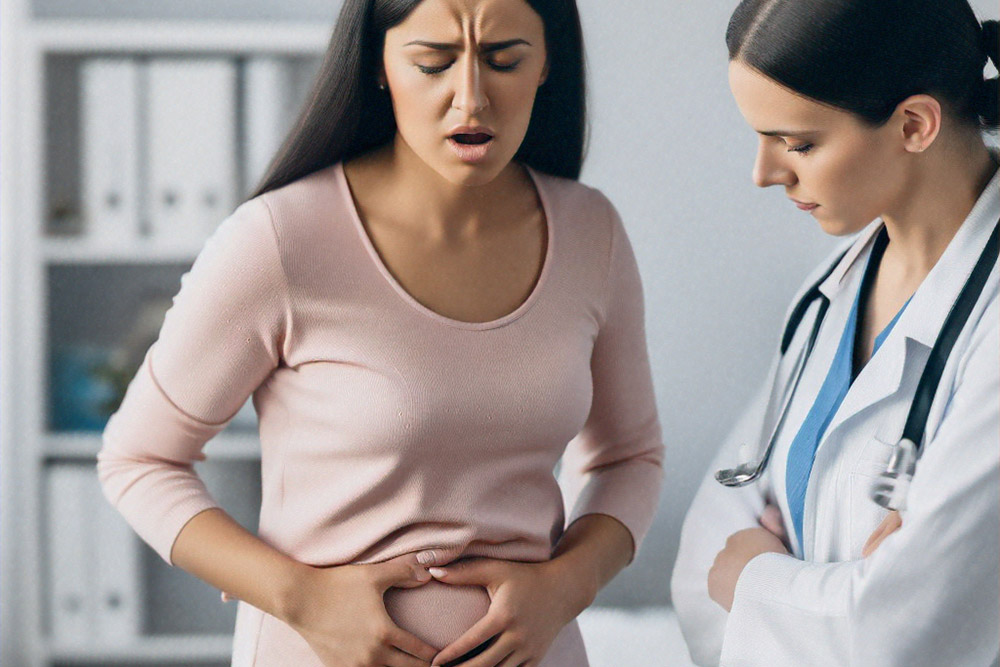








Eosinophilic Jeunitis is a disorder of the jejunum (middle of the small intestine) that results due to the extreme accumulation of the eosinophils (a type of white blood cell). These cells usually assist in combating infections, and once they are stored in the inner lining of the digestive tract, they cause inflammations, pain, and digestive malfunctions. There is no multi-focal involvement of the small intestine as seen under eosinophilic enteritis, effect of eosinophilic jejunitis is limited to the jejunum.
The symptoms may be at different intensities and different durations. You may experience:
The cause is not always obvious, however, a number of factors are known to be contributory:
Our eosinophilic jeuintis experts at GastroDoxs in Cypress are determined to provide specialized care to all at each point in the most formidable and caring manner. With high levels of diagnostics to specific treatment strategies and continuous nutrition, we are committed to restoring all the comfort and prominence in you with regard to your digestion. Wait-book your consultation now and start on the path toward permanent relief.
We've successfully treated more than 1K patients, helping individuals improve their digestive health and overall well-being through expert, personalized care.
With over 20 years of experience, GastroDoxs has been a trusted provider of gastroenterology care, focusing on delivering the best outcomes for patients
Dr. Bharat Pothuri is a board-certified expert in Gastroenterology and Hepatology with extensive training and expertise in both digestive health and liver diseases.
He is deeply committed to providing personalized care, focusing on understanding each patient’s unique needs. His approach combines advanced diagnostic techniques with tailored treatment plans to ensure the best possible outcomes. Patients appreciate his compassionate care and thorough approach, and many express high satisfaction with the improvements they experience in their digestive and liver health under his expert guidance.
Diagnosis normally involves upper endoscopy and biopsy of jejunum to ascertain the evidence of eosinophil infiltration. Imaging studies and blood tests may be done to assist in the diagnosis of the condition and excluding other conditions.
Yes. Since Eosinophilic Jeunitis attacks intestine (jejunum), results of colonoscopy may show normal results. A GI assessment may be required at the top, and the inflammation may be detected with the help of an upper GI analysis.
Elimination diet can be suggested by your doctor so as to identify triggers. Dairy, wheat, soy, eggs, and nuts are some of the common culprits. With the help of the nutritionist, you can carefully resume the consumption of foods and organize a disease-balanced meal.
It seems to have some genetic element to it, and therefore, a family history of eosinophilic gastrointestinal disorders or allergic diseases might put you at high risk. It is also caused due to environmental and immune factors.
Corticosteroids that are of brief action are helpful in the minimization of inflammations. To prevent risks in the case of long-term use we track side effects and can replace steroids with steroid-saving agents or biologic therapy.
Symptom relief varies. The patients may report improvement during several days of the treatment, whereas others may take weeks of the diet adjustments and medication to feel completely relieved.
Yes. Small intestinal chronic inflammation and periodical bleeding may cause iron-deficiency anemia. Iron supplementations or dietary changes can be prescribed.
No cure exists but the use of combination of diet changes, medications and constant monitoring can ensure good control of symptoms among the majority of the patients in order to avoid flare.
Any blood in the stool should be timely attended to. Get in touch with your doctor to identify the reason and make necessary changes to your treatment plan.
Others go through with low short courses of medication or frequent reviews of diets in order to sustain the remission. Your expert will individualize a follow-up schedule as per your personal response and probability of relapse.