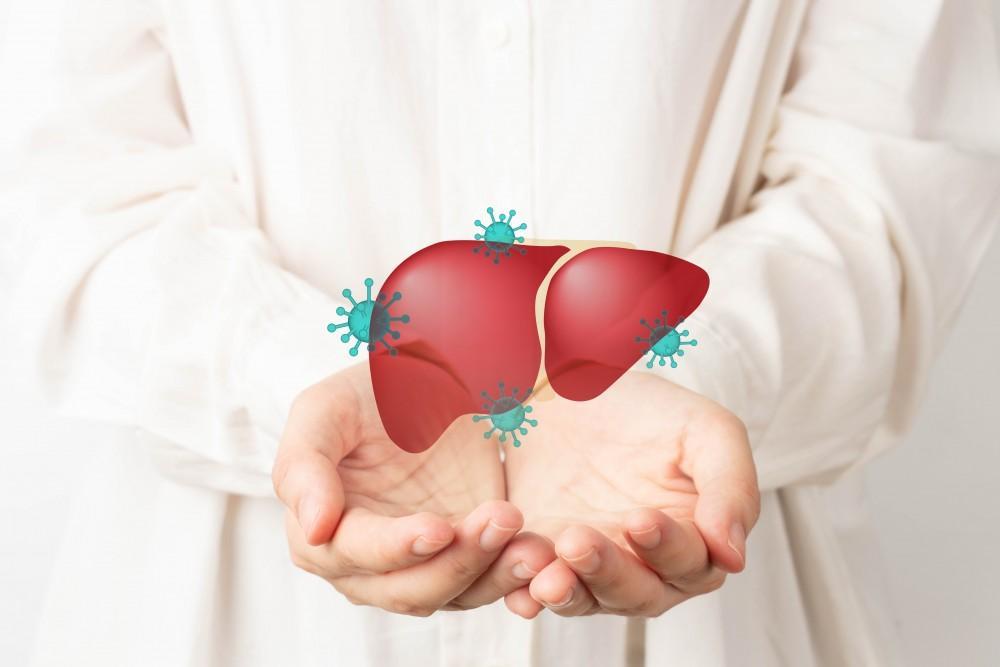
Budd-Chiari Syndrome is a symptomatic disorder of the liver characterized by the obstruction of blood exit out of liver. This occurs when the hepatic veins (blood vessels that drain blood off the liver) are blocked and this leads to an accumulation of pressure in the inside of the liver. Eventually, that pressure may destroy liver tissue and affect its work.
Early on, Budd-Chiari Syndrome may not cause noticeable problems. As pressure in the liver rises, you may experience:
Blockage of liver veins can result from several factors:
Do not hesitate in case you have abdominal pain, swelling, tiredness, or other symptoms of Budd-Chiari Syndrome. Make an appointment in our cypress team GastroDoxs to help you and provide a detailed assessment of your situation and an individual treatment plan. You can definitely book online or call us at all- have us guide you the next step to becoming liver-healthy and relieved permanently.
We've successfully treated more than 1K patients, helping individuals improve their digestive health and overall well-being through expert, personalized care.
With over 20 years of experience, GastroDoxs has been a trusted provider of gastroenterology care, focusing on delivering the best outcomes for patients
Dr. Bharat Pothuri is a board-certified expert in Gastroenterology and Hepatology with extensive training and expertise in both digestive health and liver diseases.
He is deeply committed to providing personalized care, focusing on understanding each patient’s unique needs. His approach combines advanced diagnostic techniques with tailored treatment plans to ensure the best possible outcomes. Patients appreciate his compassionate care and thorough approach, and many express high satisfaction with the improvements they experience in their digestive and liver health under his expert guidance.
Budd-Chiari Syndrome involves obstructing of some of the veins which collect the blood in the liver leading to pressure build-up in the liver. This is capable of causing abdominal pain, liver swelling, accumulation of fluid and, left unattended, liver damage or failure.
Diagnosis is usually done through blood tests in order to determine the liver functionality and coagulation and the imaginative tests in the form of Doppler ultrasound, CT scan, or MRI to get the visualization of the blood flow within the hepatic veins and any obstruction.
Yes. In mild or chronic form, such symptoms as fatigue, mildly swollen abdomen or pain might be insidious and easy to blame on other ailments, which postpones the diagnosis until the disease advances.
Majority of the cases are not directly inherited. Nevertheless, family history of genetic clotting disorders that predispose the risk of blood clots—e.g. factor V Leiden mutation or protein C deficiency—may cause Budd-Chiari Syndrome.
Some types of cancers particularly cancers of the liver, pancreas or blood (such as leukemia) may push or encroach on the hepatic veins and lead to blockage. Besides, cancer may become pro-thrombotic, which makes the veins more vulnerable to obstruction.
Preliminary treatment normally includes anticoagulant drugs to dissolve or stop clots. In case of an inadequacy of blood thinners, interventional procedures—like angioplasty with stenting or TIPS—can be used to put back the normal circulation.
The use of drugs such as blood thinners and diuretics to treat a clot and the retention of fluids is a medical intervention. Surgical or interventional procedures include the mechanical opening and bypassing of blocked veins (e.g. angioplasty/stenting, TIPS) and in the most severe cases, liver transplantation.
Yes. A low-sodium diet may decrease the accumulation of fluids, alcohol should be avoided as it protects the liver and a normal weight and exercise level may also contribute to the good health of the liver. It is also important to observe and take medication.
A transplant is also a possibility when all the other options fail to lessen obstruction or irreversible liver failure occurs. It provides the greatest possibility to survive in case of severe conditions on a long-term basis.
GastroDoxs is a Cypress liver specialty company, which is dealing with Budd-Chiari Syndrome. We provide immediate assessments, unique care plans, interventional interventions, and follow-ups to help you in all aspects of the treatment.