






Backwash ileitis is a disease made in the end of the ileum- the end of the small intestine - when the severe ulcerative colitis of the colon is diffused to the ileum. This results in a reddish, swollen lining and small and shallow ulcers and a flattened surface or destroyed one.
Symptoms often resemble a severe ulcerative colitis flare and may include:
Backwash ileitis most commonly results from severe ulcerative colitis, but other contributing factors include:
As a solution to comprehensive treatment of backwash ileitis and associated disorders, GastroDoxs offers high-quality diagnostics and effective treatment based on patient-centered care and comprehensive solutions to the digestive health needs of its clients. We have board-certified GI specialists in Cypress who will personally draft a care plan that fits your individual needs and can be used to resolve specific problems in a long-term perspective. Do not wait-book now and make the first step to improve your gut health.
We've successfully treated more than 2.3K patients, helping individuals improve their digestive health and overall well-being through expert, personalized care.
With over 20 years of experience, GastroDoxs has been a trusted provider of gastroenterology care, focusing on delivering the best outcomes for patients
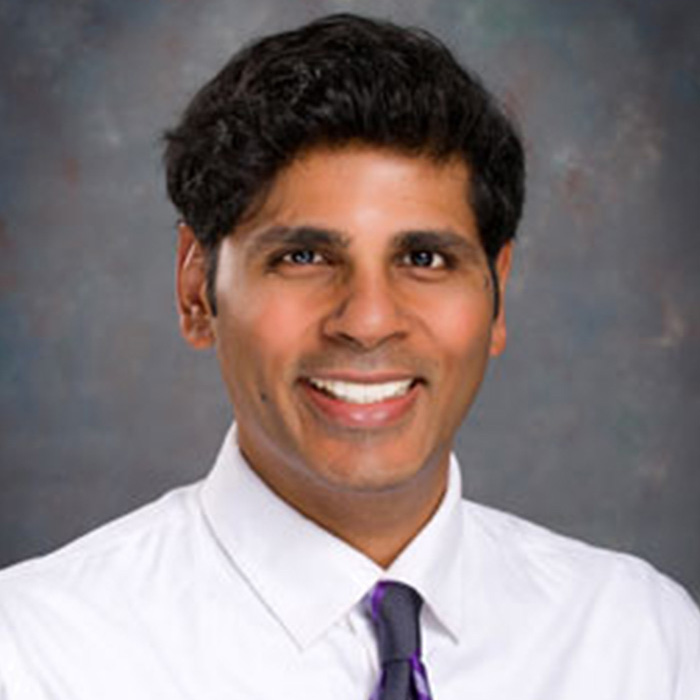
Dr. Bharat Pothuri is a board-certified expert in Gastroenterology and Hepatology with extensive training and expertise in both digestive health and liver diseases.
He is deeply committed to providing personalized care, focusing on understanding each patient’s unique needs. His approach combines advanced diagnostic techniques with tailored treatment plans to ensure the best possible outcomes. Patients appreciate his compassionate care and thorough approach, and many express high satisfaction with the improvements they experience in their digestive and liver health under his expert guidance.
Backwash ileitis is observed in approximately 10–20% of individuals with ulcerative colitis, particularly in cases where the disease extends near or into the terminal ileum.
Biopsy typically shows mild, superficial inflammation of the ileum. Unlike Crohn’s disease, it does not present with deep or transmural tissue damage.
In most cases, backwash ileitis is considered mild and does not lead to long-term complications when properly managed alongside ulcerative colitis treatment.
No, backwash ileitis does not independently raise cancer risk. The cancer risk remains similar to that associated with ulcerative colitis alone.
Mild cases often respond well to standard ulcerative colitis therapies. Treatment intensity is adjusted based on the severity of symptoms and inflammation.
Yes, dietary adjustments like a low-residue diet, the inclusion of probiotics, and general gut-friendly nutrition can help alleviate symptoms and support colon healing.
Surgery is rarely required. It may be considered only in complicated cases or if medical therapy fails to control the disease effectively.
Yes, recurrence is possible, especially during flare-ups of ulcerative colitis. Maintaining consistent treatment and disease control can reduce the risk of recurrence.
You can consult the board-certified gastroenterologists at GastroDoxs in Cypress. Appointments can be scheduled in advance or through a referral from your primary care provider.
Diagnosis is made using colonoscopy, which shows inflammation of the terminal ileum, and confirmed with biopsy findings of mild, superficial mucosal inflammation without deep ulceration.