
Conditions We Treat
At GastroDoxs GutGuardians™, we diagnose and treat digestive and liver conditions such as colon cancer, fatty liver disease, GERD, Crohn’s disease, IBS, and more. Our expert gastroenterology team helps patients understand their condition, confirm an accurate diagnosis, and develop a personalized treatment plan for lasting digestive health.
Explore The Digestive Conditions We Treat

Colon Cancer
Colon cancer can begin as polyps and may not cause symptoms early. Screening and timely evaluation help detect risk sooner.
Read More
Colon Cancer Diagnosis
Diagnosis may include colonoscopy, biopsy, imaging, lab work, and review of symptoms or screening results.
Read More
Colon Cancer Treatment
Treatment depends on stage and may involve coordinated care, colonoscopy findings, surgery, oncology, or surveillance.
Read More
Colon Cancer Treatment in Jersey Village, TX
Jersey Village patients can schedule colon cancer screening, polyp follow-up, bleeding evaluation, family-history review, and next-step GI guidance.
Read More
Colon Cancer Treatment in Cypress, TX
The Cypress office helps patients plan colonoscopy, review abnormal stool or bleeding symptoms, discuss polyp findings, and coordinate follow-up care.
Read More
Colon Cancer Treatment in Katy, TX
Katy patients can get colon cancer screening support, colonoscopy planning, biopsy-result review, surveillance guidance, and referral coordination when needed.
Read More
Colon Cancer Treatment in Brookshire, TX
Brookshire patients can get colon cancer screening support, colonoscopy planning, biopsy-result review, surveillance guidance, and referral coordination when needed.
Read More
Fatty Liver
Fatty liver disease can develop silently and may need liver testing, imaging, and long-term metabolic care.
Read More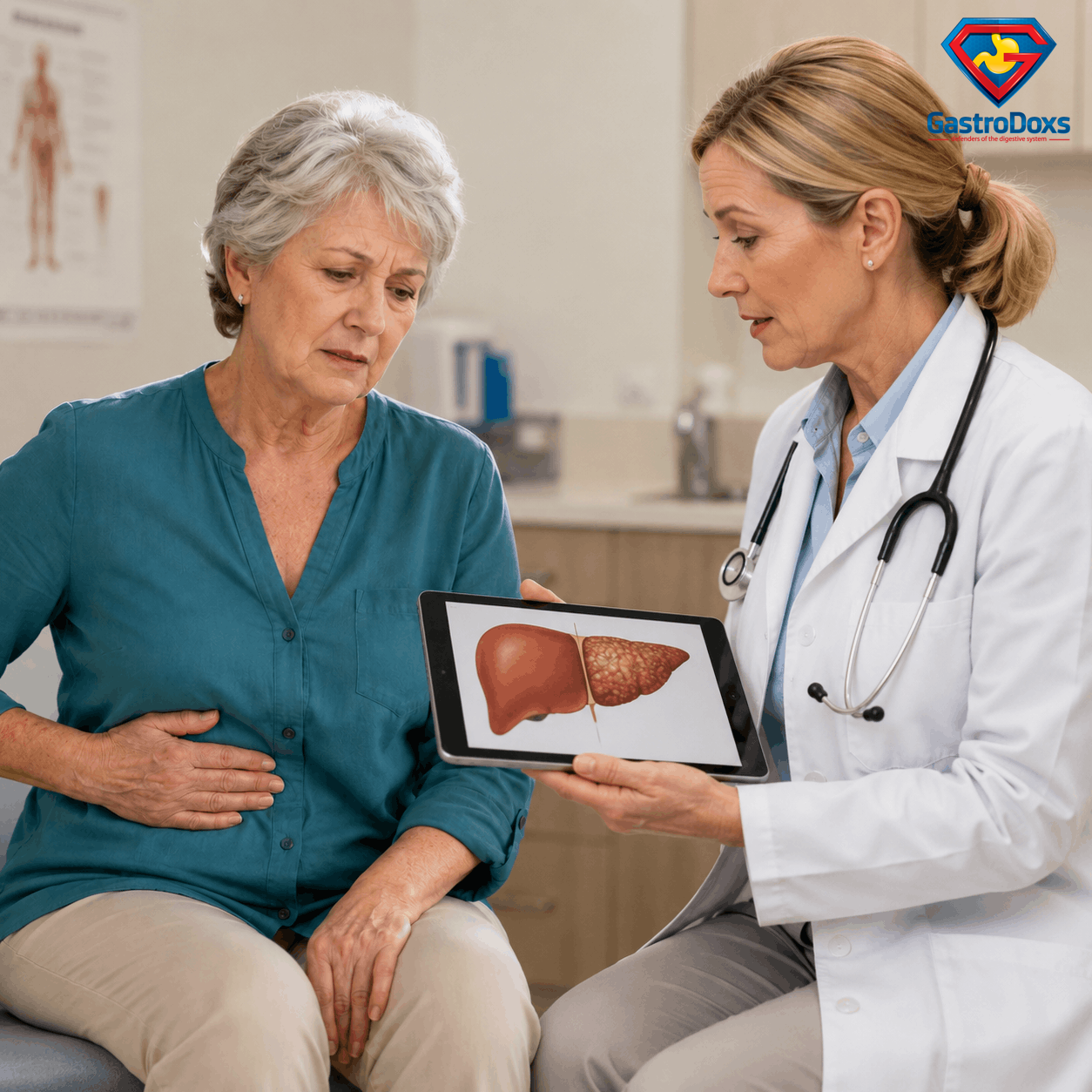
Fatty Liver Diagnosis
Fatty liver evaluation may include blood tests, ultrasound, elastography, and assessment of metabolic risk factors.
Read More
Fatty Liver Treatment
Treatment focuses on weight, diabetes risk, cholesterol, liver monitoring, and steps that reduce liver inflammation.
Read More
Fatty Liver Treatment in Jersey Village, TX
Jersey Village patients can review liver enzymes, ultrasound results, diabetes risk, cholesterol, weight changes, and a monitoring plan for fatty liver.
Read More
Fatty Liver Treatment in Cypress, TX
The Cypress office helps patients understand fatty liver findings, check fibrosis risk, review metabolic health, and plan practical liver follow-up.
Read More
Fatty Liver Treatment in Katy, TX
Katy fatty liver care includes liver test review, FibroScan planning when appropriate, medication review, nutrition guidance, and long-term monitoring.
Read More
Fatty Liver Treatment in Brookshire, TX
Brookshire fatty liver care includes liver test review, FibroScan planning when appropriate, medication review, nutrition guidance, and long-term monitoring.
Read More
GERD
GERD causes chronic acid reflux, burning, regurgitation, cough, or swallowing symptoms that may need treatment.
Read More
GERD Diagnosis
GERD diagnosis may involve symptom review, medication response, endoscopy, pH testing, or evaluation for complications.
Read More
GERD Treatment
GERD treatment may include diet changes, acid-reducing medication, endoscopic review, or advanced options when needed.
Read More
GERD Treatment in Jersey Village, TX
Jersey Village patients can get reflux care for heartburn, regurgitation, cough, throat irritation, swallowing symptoms, or medication that is not helping enough.
Read More
GERD Treatment in Cypress, TX
The Cypress office evaluates chronic reflux, chest burning after meals, nighttime symptoms, hoarseness, nausea, and possible need for upper endoscopy.
Read More
GERD Treatment in Katy, TX
Katy GERD care helps patients review triggers, acid-reducing medicines, swallowing concerns, Barrett’s esophagus risk, and follow-up testing options.
Read More
GERD Treatment in Brookshire, TX
Brookshire GERD care helps patients review reflux triggers, acid-reducing medicines, swallowing concerns, Barrett’s esophagus risk, and follow-up testing options.
Read More
HPV
HPV can affect the anal and genital areas, sometimes causing warts, abnormal tissue changes, irritation, bleeding, or cancer risk concerns.
Read More
HPV Diagnosis
HPV diagnosis may involve symptom review, visual examination, anoscopy, biopsy when needed, and evaluation of anal or rectal tissue changes.
Read More
HPV Treatment
HPV treatment may include wart removal, symptom control, biopsy follow-up, monitoring for recurrence, and guidance to reduce future complications.
Read More
HPV Treatment in Jersey Village, TX
Jersey Village patients can get HPV care for anal warts, irritation, bleeding, abnormal tissue changes, recurrence concerns, and follow-up evaluation.
Read More
HPV Treatment in Cypress, TX
The Cypress office evaluates HPV-related anal symptoms, warts, irritation, bleeding, abnormal findings, and treatment or monitoring needs.
Read More
HPV Treatment in Katy, TX
Katy HPV care helps patients review anal warts, rectal irritation, abnormal tissue concerns, biopsy needs, recurrence risk, and follow-up care.
Read More
HPV Treatment in Brookshire, TX
Brookshire HPV care helps patients review anal warts, irritation, bleeding, abnormal tissue changes, recurrence concerns, and monitoring options.
Read More
Gastric Erosion Without Bleeding in Texas
Our clinic offers our patients noninvasive diagnosis and specialized treatment to cure stomach lining erosion with no bleeding.
Read More
Gastric Lymphoma in Texas
As our national, professionally trained team, our diagnosis and individual treatment of gastric lymphoma offer caring assistance to patients.
Read More
Gastric Polyps in Texas
We offer a partial examination using endoscopic analysis and safe excision to avoid complications to our gastric polyp screening service.
Read More
Gastric Ulcer in Texas
Multidisciplinary analysis and gradual care of gastric ulcers that are included in the professional diagnosis, special therapeutic options, and life of mercy.
Read More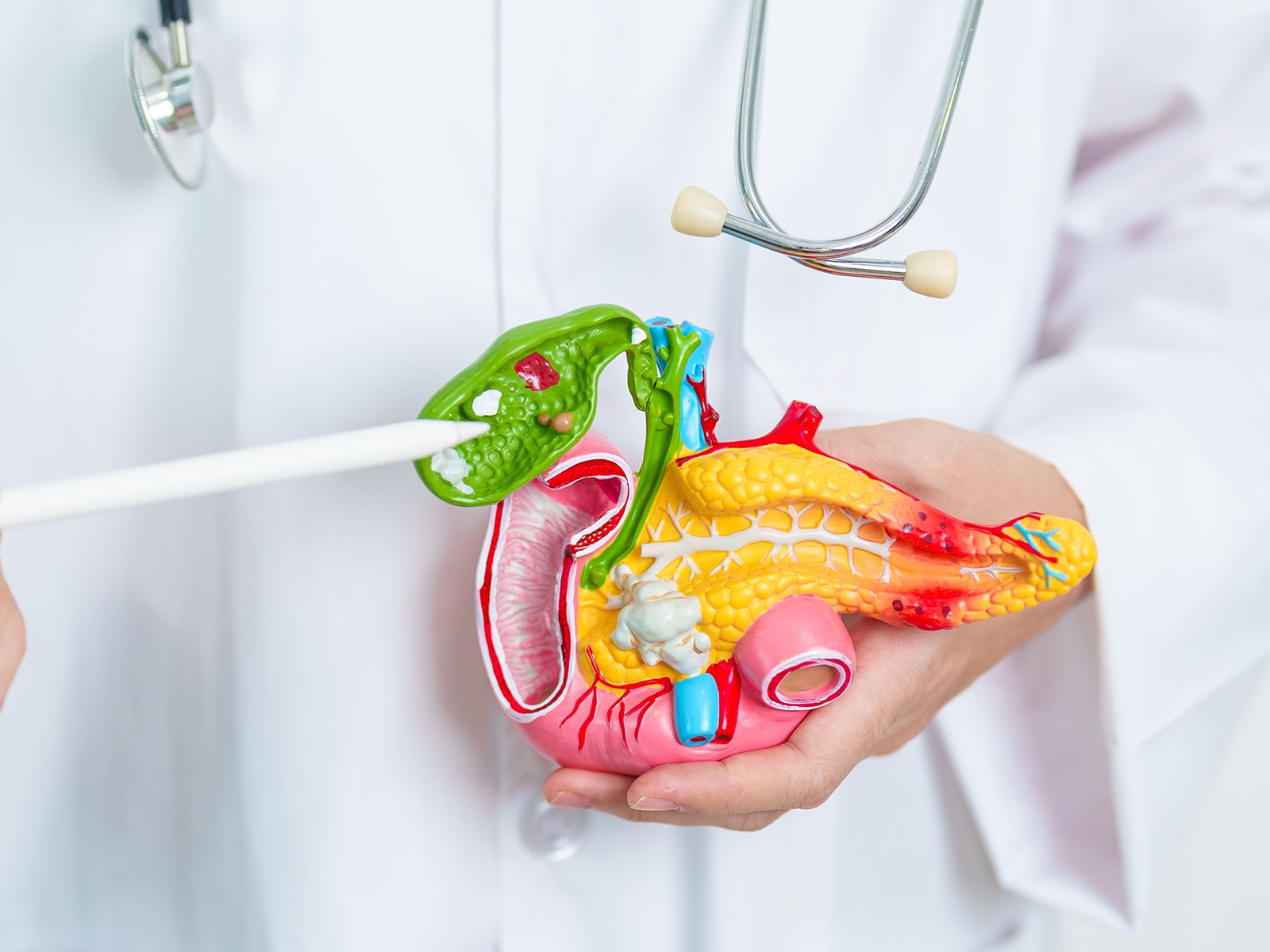
Gastric Varices in Texas
To prevent bleeding, we have optimally necessary diagnosis and least invasive therapy to treat gastric varices.
Read More
Gastritis in Texas
Gastritis service offers personalized care of supporting the patients, diet consultation, and stress-reliefs to calm down the stomach inflammations.
Read More
Gastroesophageal Reflux Disease (GERD) in Texas
GERD management is our service that is our own approach to managing the symptoms or in other words, reducing the heartburn, easing the digestion process, and enhancing the overall quality of life.
Read More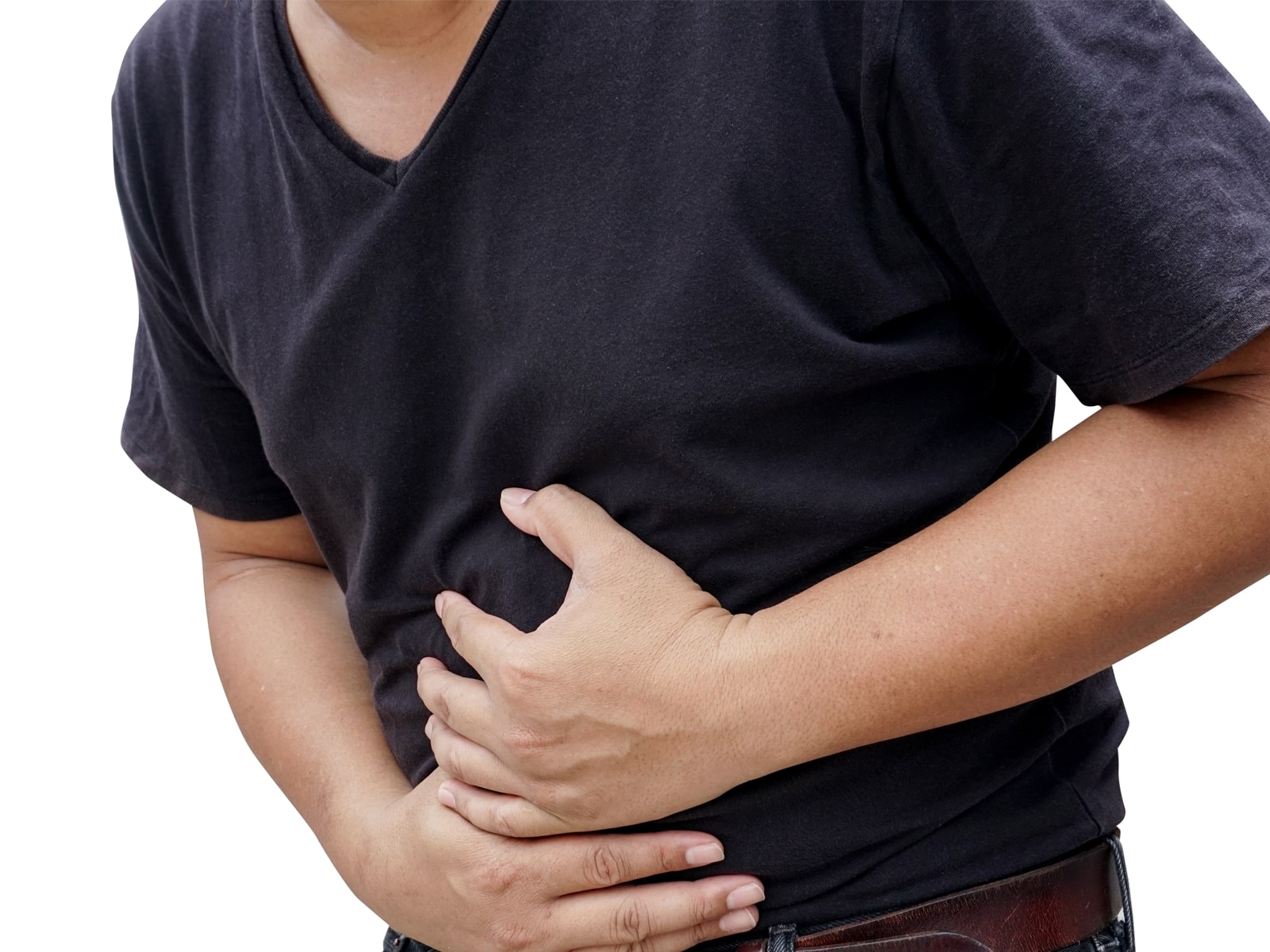
Gastroparesis in Texas
Our gastroparesis service provides care-based on-to-one-on-one-diagnostics, nutritional counseling, and advanced therapy to normalize the stomach motility.
Read More
Granuloma In Intestine in Texas
Symptom-free and restorative digestive well-being and case intestinal granulomas is treated and screened specifically.
Read More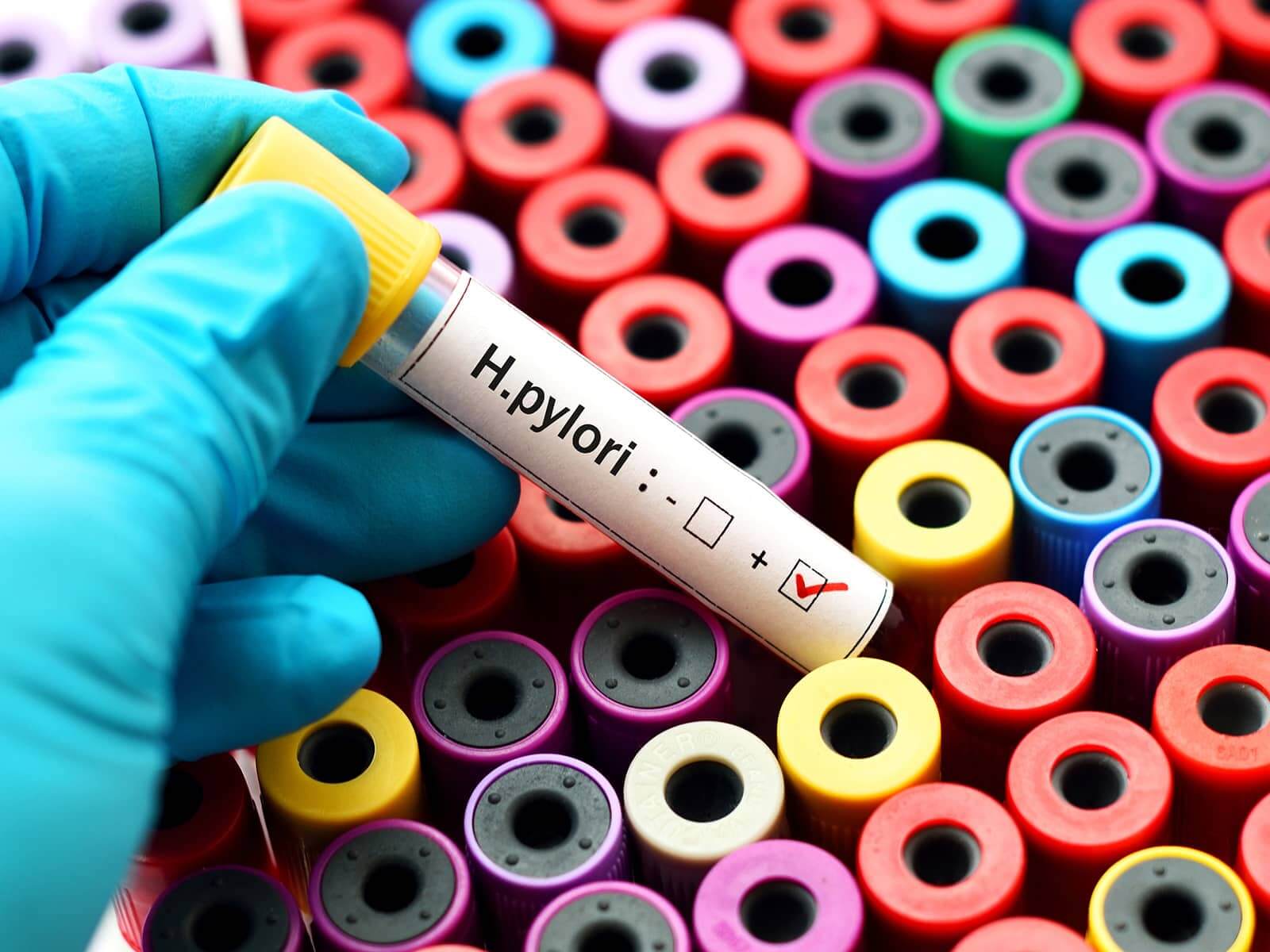
Helicobacter Pylori (H. Pylori) in Texas
One of the services that have made us realize the right and appropriate time results to facilitate efficient diagnosis and therapeutic intervention is our Helicobacter pylori test.
Read More
Hemochromatosis in Texas
The test service of Hemochromatosis is capable of early identification of an iron overload in the heredity hence control and safeguard the organs.
Read More
Hemorrhage Of Anus And Rectum Treatment in Texas
We offer early evaluation and less invasive treatment of anorectal bleeding, which ensures the recovery and health.
Read MoreNeed help understanding a digestive condition?
GastroDoxs can help confirm the cause, explain next steps, and guide you toward testing, treatment, or ongoing GI care.
Frequently Asked Questions
What are common gastrointestinal conditions?
Gastrointestinal conditions include acid reflux, IBS, Crohn’s disease, ulcerative colitis, celiac disease, constipation, diarrhea, colon polyps, fatty liver disease, and more.
How do I know if I have a digestive disorder?
If you have frequent bloating, abdominal pain, reflux, constipation, diarrhea, rectal bleeding, or symptoms that keep returning, a gastroenterologist can help evaluate the cause.
When should I see a gastroenterologist?
You should see a gastroenterologist for persistent digestive symptoms, blood in stool, unexplained weight loss, severe abdominal pain, trouble swallowing, or ongoing reflux.
What diagnostic tests are used for GI conditions?
Testing may include blood work, stool tests, breath tests, imaging, endoscopy, colonoscopy, liver evaluation, or other GI procedures based on symptoms and risk factors.
Are gastrointestinal conditions hereditary?
Some digestive conditions can run in families, including certain colon cancer risks, Crohn’s disease, ulcerative colitis, and celiac disease. Lifestyle and environmental factors can also play a role.
How can I prevent digestive problems?
A balanced diet, hydration, regular activity, weight management, stress control, avoiding tobacco, and age-appropriate screening can help reduce digestive health risks.