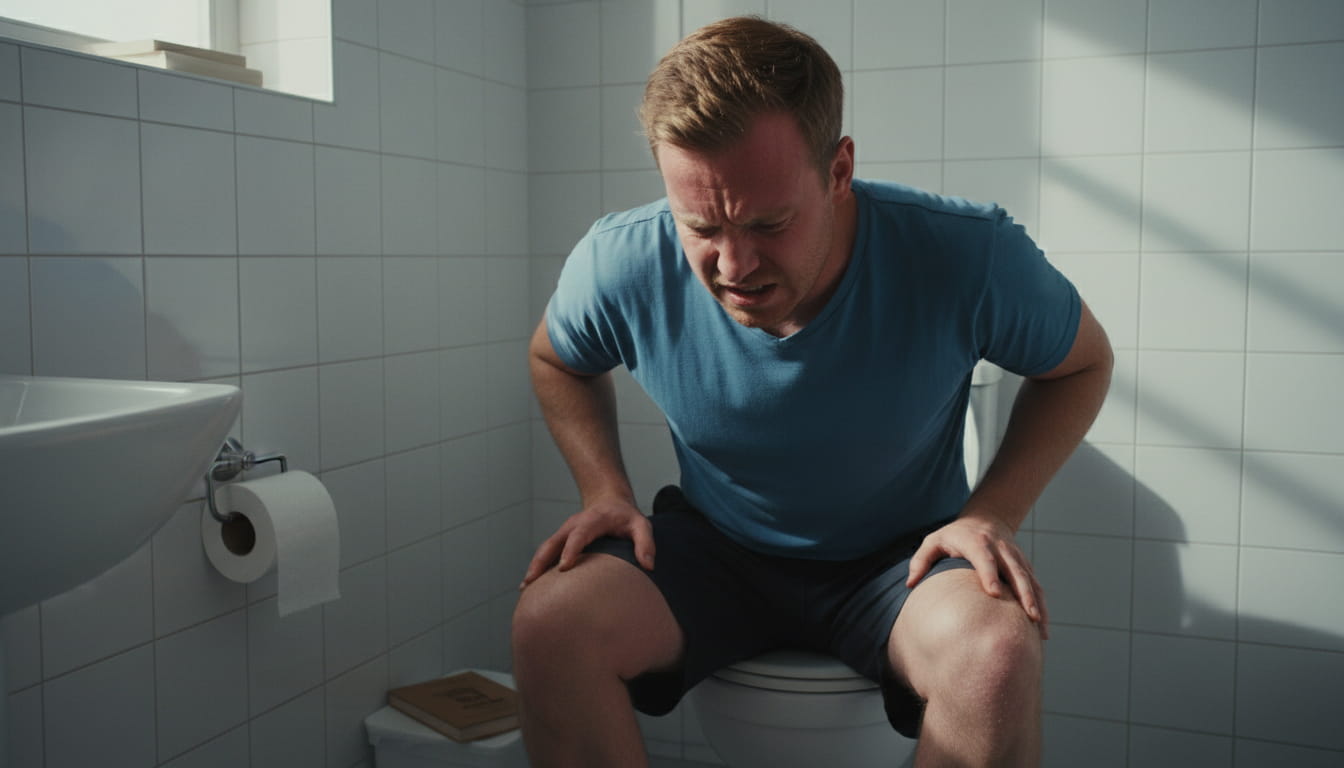








Many people assume that constipation simply means not having enough bowel movements.
However, constipation can also involve a different and frustrating symptom.
Some individuals have a bowel movement but still feel like stool is left behind.
This sensation is known medically as incomplete evacuation.
It can make people feel:
While occasional incomplete bowel movements can happen, persistent symptoms may indicate an underlying digestive issue.
Residents experiencing this problem in Jersey Village, TX may benefit from evaluation by a gastroenterologist who specializes in digestive disorders.
This article explains:

Incomplete evacuation refers to the feeling that the bowel movement was not fully finished.
Even after passing stool, the rectum may still feel full.
Symptoms may include:
This condition can occur occasionally, but persistent symptoms may signal digestive or pelvic floor problems.
Several conditions can cause incomplete evacuation.
Understanding the cause is the first step toward proper treatment.
One of the most common causes is pelvic floor dysfunction.
The pelvic floor muscles control bowel movements.
During a normal bowel movement, these muscles should relax.
However, in pelvic floor dysfunction, the muscles may tighten instead of relaxing.
This makes it difficult to fully empty the rectum.
Symptoms may include:
Pelvic floor dysfunction is often treatable with biofeedback therapy.
Chronic constipation can cause incomplete evacuation.
When stool moves slowly through the colon, it may become hard and difficult to pass.
Even after a bowel movement, stool may remain in the colon.
Common symptoms include:
Chronic constipation may require medical evaluation to determine its cause.
IBS with constipation is a common digestive disorder.
It affects how the digestive system functions.
Symptoms often include:
IBS does not damage the intestines but can significantly affect quality of life.
Structural problems in the rectum or colon can prevent complete bowel emptying.
Examples include:
These conditions may physically block stool movement.
Doctors may recommend imaging tests to diagnose structural issues.
In some individuals, the colon moves stool more slowly than normal.
This condition is known as slow transit constipation.
When stool remains in the colon too long, it becomes harder and more difficult to pass completely.
Diet plays a major role in bowel health.
Low fiber intake can slow digestion and cause incomplete bowel movements.
Common contributing factors include:
Improving lifestyle habits can often improve symptoms.
The digestive system is closely connected to the nervous system.
Stress and anxiety can affect bowel movement coordination.
This connection is known as the gut-brain axis.
Stress may cause:
Managing stress can sometimes improve digestive symptoms.
In rare cases, feeling constipated after a bowel movement may indicate a serious condition.
Warning signs include:
These symptoms may require evaluation for conditions such as colon polyps or colon cancer.
Residents of Jersey Village, TX experiencing these symptoms should seek medical evaluation.
A gastroenterologist may recommend tests to determine the cause of incomplete bowel movements.
A colonoscopy allows doctors to examine the colon and rectum using a small camera.
This test helps detect:
Colonoscopy is often recommended for adults over age 45 or those with warning symptoms.
A colonic transit study measures how quickly stool moves through the colon.
Patients swallow markers that appear on X-rays.
Doctors track how long the markers remain in the digestive tract.
Slow movement may indicate slow transit constipation.
This test evaluates how well rectal and anal muscles function.
A small tube with sensors measures muscle pressure and coordination.
It helps diagnose pelvic floor dysfunction.
The balloon expulsion test measures how easily a person can pass stool.
A small balloon is placed in the rectum and filled with water.
Patients attempt to push it out.
Difficulty expelling the balloon may indicate pelvic floor muscle problems.
Defecography is an imaging test that shows bowel movement activity in real time.
It helps doctors evaluate:
Treatment depends on the underlying cause.
A gastroenterologist will recommend personalized care.
Increasing fiber intake can improve stool consistency and bowel movement frequency.
Fiber-rich foods include:
Adequate water intake helps soften stool and improve digestion.
Adults should drink sufficient fluids daily.
Exercise stimulates intestinal movement and helps promote regular bowel movements.
Even moderate activity such as walking can improve digestive health.
Doctors may prescribe medications that:
Prescription medications are sometimes used for chronic constipation.
Biofeedback therapy is often recommended for pelvic floor dysfunction.
This therapy trains muscles to coordinate properly during bowel movements.
Many patients experience significant improvement with this treatment.

Persistent constipation or incomplete bowel movements should not be ignored.
You should see a gastroenterologist if you experience:
Digestive specialists in Jersey Village, TX can evaluate symptoms and recommend advanced testing and treatment options.
Early evaluation helps identify underlying digestive disorders and restore healthy bowel function.
Feeling constipated even after a bowel movement can be frustrating and uncomfortable.
This sensation often occurs due to:
Proper diagnosis is important to determine the exact cause.
Residents of Jersey Village, TX experiencing persistent symptoms should consider consulting a gastroenterologist for evaluation and treatment.
Early diagnosis can help relieve symptoms and improve digestive health.
Dr. Bharat Pothuri is a Board-Certified Gastroenterologist and Hepatologist. With extensive experience in digestive health, he specializes in advanced endoscopic procedures, chronic GI disorder management, and preventive care. Dr. Pothuri is dedicated to providing expert, patient-focused insights to help improve gut health and overall well-being.
This sensation is called incomplete evacuation. It may occur due to pelvic floor dysfunction, constipation, or digestive disorders such as IBS.
Occasional incomplete bowel movements can happen. However, persistent symptoms may indicate underlying digestive issues that require evaluation.
Common causes include pelvic floor dysfunction, chronic constipation, slow colon movement, structural rectal issues, and low fiber intake.
Yes. Irritable bowel syndrome with constipation often causes bloating, abdominal pain, and a feeling that bowel movements are incomplete.
Doctors may use colonoscopy, anorectal manometry, colonic transit studies, defecography, and balloon expulsion tests to diagnose the cause.
You should see a doctor if symptoms persist for more than two weeks or occur with pain, bleeding, or unexplained weight loss.
Yes. Pelvic floor dysfunction can prevent muscles from relaxing properly during bowel movements, making it difficult to fully empty the rectum.
Increasing fiber intake, drinking enough water, exercising regularly, and treating underlying digestive conditions can help improve symptoms.
Yes. Dehydration can lead to hard stools that are difficult to pass, contributing to constipation and incomplete evacuation.
Yes. A gastroenterologist can evaluate persistent constipation symptoms and perform specialized tests to diagnose and treat the underlying cause.