
Hematemesis (vomiting blood) is a serious and often frightening symptom that indicates bleeding in the upper gastrointestinal (GI) tract. If you or someone you know experiences vomiting blood, it’s important to understand what happens next, from diagnosis to treatment.
Hematemsis can occur due to various causes, including peptic ulcers, esophageal varices, and gastrointestinal cancers. While vomiting blood is a medical emergency, the right steps taken immediately after experiencing it can improve the chances of a positive outcome.
This step-by-step guide will walk you through what to expect during the medical process when experiencing hematemesis, from initial evaluation to treatment options and recovery.
Step 1: Recognizing the Symptoms of Hematemesis
If you experience vomiting blood, the first step is to assess the situation. Hematemesis can be recognized by:
- Bright red blood: Indicates fresh bleeding, often from the esophagus or stomach.
- Coffee-ground appearance: Darker, partially digested blood, which typically suggests bleeding has been present for some time in the stomach.
- Accompanying symptoms: These might include abdominal pain, nausea, dizziness, and rapid heartbeat. If you experience any of these symptoms along with vomiting blood, it may indicate severe bleeding and necessitate emergency care.
When to Seek Emergency Care
It is important to seek immediate medical help if:
- You vomit a large amount of blood or the bleeding continues.
- You feel faint, dizzy, or confused.
- You experience severe abdominal pain.
- You show signs of shock, such as low blood pressure or rapid heart rate.
Step 2: Medical Evaluation and Stabilization
Once you seek medical attention, the healthcare team will immediately evaluate your condition and stabilize you. This initial evaluation focuses on assessing the severity of blood loss and preventing further complications.
Stabilization
- IV Fluids and Blood Transfusions: If the blood loss is significant, doctors will administer intravenous (IV) fluids to replace lost blood and stabilize your blood pressure. In more severe cases, blood transfusions may be required to restore red blood cell levels.
- Monitoring Vital Signs: Your vital signs (heart rate, blood pressure, oxygen levels) will be closely monitored to detect signs of shock or organ failure.
Physical Examination
The doctor will perform a physical exam to assess:
- Abdominal tenderness: To check for signs of ulcers, gastric tears, or other issues.
- Signs of shock: Such as dizziness, rapid heart rate, and confusion.
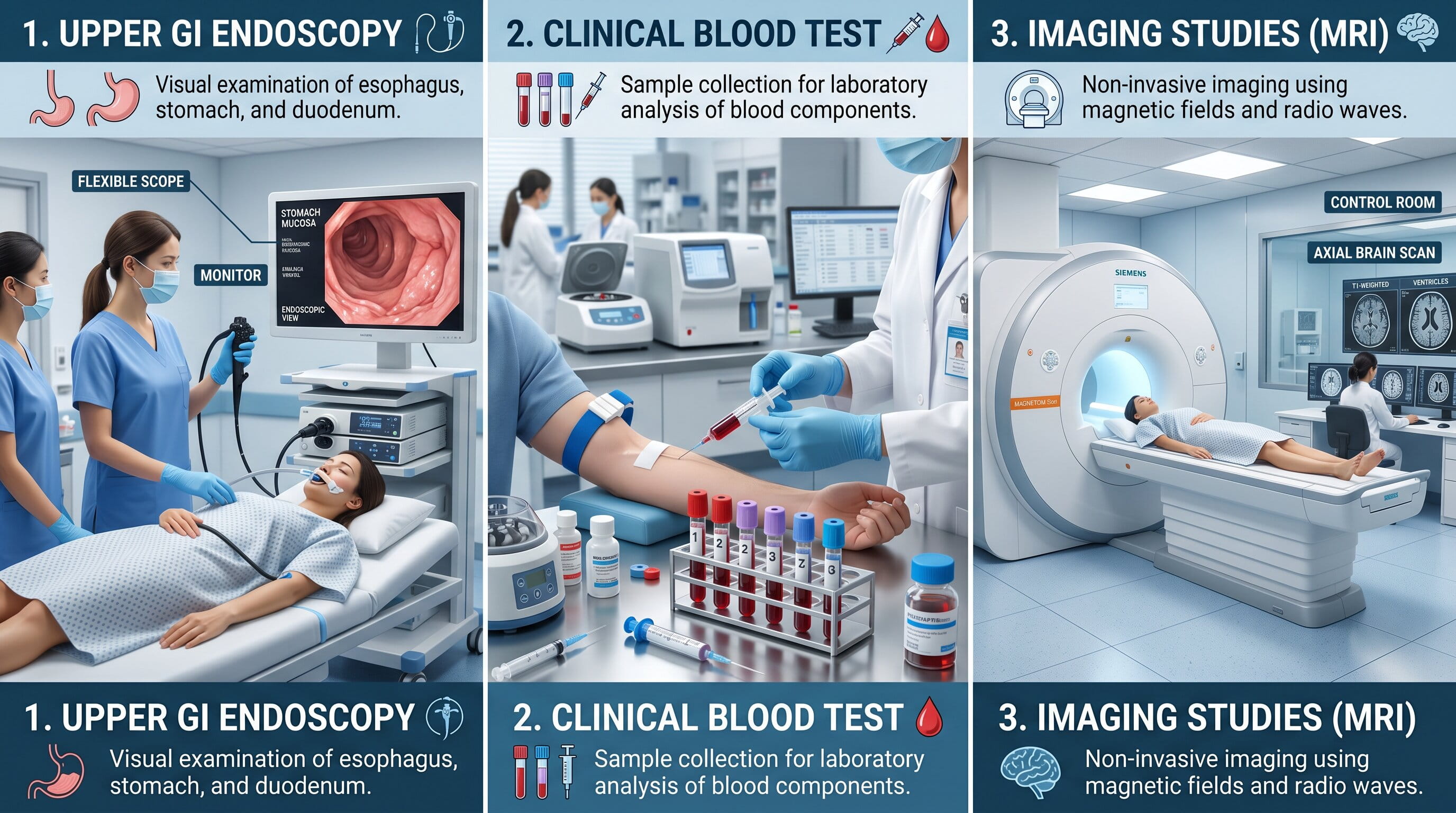
Step 3: Diagnostic Testing
Once the patient is stabilized, the doctor will conduct tests to identify the cause of the bleeding. These tests may include:
1. Endoscopy (Upper GI)
An upper GI endoscopy (esophagogastroduodenoscopy) is the most common diagnostic tool for identifying the source of bleeding. During this procedure, a flexible tube with a camera is inserted through the mouth to visualize the esophagus, stomach, and duodenum. It allows doctors to pinpoint the cause of bleeding, whether it’s an ulcer, varices, or a tumor.
2. Blood Tests
Blood tests will be performed to assess the extent of blood loss and check for signs of anemia (low red blood cell count) or liver damage (in the case of cirrhosis or esophageal varices).
3. Imaging Studies
If the cause of bleeding cannot be determined with an endoscopy, additional imaging studies, such as a CT scan or ultrasound, may be conducted to look for tumors, liver disease, or other underlying conditions that could be contributing to the bleeding.
Step 4: Treatment of Hematemesis
Once the source of the bleeding has been identified, doctors will determine the most appropriate treatment. Here are the common treatment options for hematemesis:
1. Medications
- Proton Pump Inhibitors (PPIs): These medications reduce stomach acid and promote healing of ulcers or gastritis, which can help stop the bleeding.
- Beta-blockers: If bleeding is due to esophageal varices, beta-blockers may be used to lower the pressure in the veins and reduce the risk of further bleeding.
- Antibiotics: If the cause is an H. pylori infection, antibiotics will be prescribed to eradicate the bacteria.
2. Endoscopic Treatment
For bleeding that can be treated directly, endoscopic procedures are often used:
- Banding or Sclerotherapy: This is done to treat esophageal varices by stopping the bleeding.
- Cauterization or Clipping: If an ulcer or tear is causing the bleeding, cauterization (burning the blood vessels) or clipping (using small clips to close the wound) may be used to stop the blood flow.
3. Surgery
In rare cases where bleeding cannot be controlled through endoscopy or medications, surgery may be required to remove a tumor, treat a large ulcer, or address other underlying causes of hematemesis.
Step 5: Post-Treatment Care and Monitoring
After treatment, the patient will be closely monitored to ensure that bleeding does not recur. Follow-up care may include:
1. Medications for Ulcer Healing
Patients with peptic ulcers will likely be prescribed PPIs or H2 blockers to reduce stomach acid and help the ulcers heal. Antibiotics may also be given if an H. pylori infection is present.
2. Lifestyle Changes
Doctors will advise on lifestyle modifications to prevent further episodes of hematemesis:
- Avoiding NSAIDs and alcohol, which can irritate the stomach lining.
- Eating a healthy diet with bland, easily digestible foods to avoid aggravating the stomach.
3. Regular Checkups
Follow-up appointments with a gastroenterologist will be scheduled to monitor healing and prevent further bleeding. For patients with esophageal varices or liver disease, routine endoscopies may be necessary to check for recurrence of bleeding.
Step 6: Prevention of Future Hematemesis Episodes
Prevention is key in managing hematemesis, particularly for those with ongoing conditions like peptic ulcers or cirrhosis. Some steps to prevent future episodes include:

- Medication Adherence: Take prescribed medications as directed, particularly PPIs or beta-blockers.
- Avoid Alcohol and Smoking: Both can exacerbate gastrointestinal issues and increase the risk of bleeding.
- Regular Monitoring: For individuals with liver disease or ulcers, regular monitoring by a healthcare provider is essential to prevent complications.
Conclusion
Experiencing hematemesis can be a terrifying event, but knowing what to expect during the diagnostic and treatment process can help ease anxiety. From stabilization and diagnostics to endoscopic treatments and lifestyle changes, there are multiple steps involved in managing and preventing vomiting blood. With timely intervention and proper care, the risk of complications can be minimized.