
Is This Normal… Or Just Me?
If you’ve ever experienced symptoms like:
- Discomfort while sitting
- Occasional itching
- A bit of bleeding after a bowel movement
You’ve probably had this thought:
- “Is this normal?”
- “Do other people deal with this too?”
Here’s the honest answer:
Yes—hemorrhoids are extremely common.
But because people don’t openly talk about them, it often feels like you’re the only one dealing with it.
Let’s Clear the Biggest Misconception First
Many people believe:
- Hemorrhoids only happen to older adults
- Or only to people with serious health issues
That’s not true.
Hemorrhoids can affect almost anyone—depending on lifestyle and habits.
How Common Are Hemorrhoids, Really?
While exact numbers vary, studies and clinical experience show:
A large percentage of adults will experience hemorrhoids at some point in their life.
Why it feels uncommon:
- People don’t talk about it
- Symptoms are often managed privately
- Many cases go undiagnosed
So while it may feel rare—it’s actually very widespread.
Who Is Most Likely to Get Hemorrhoids?
Let’s break this down clearly.
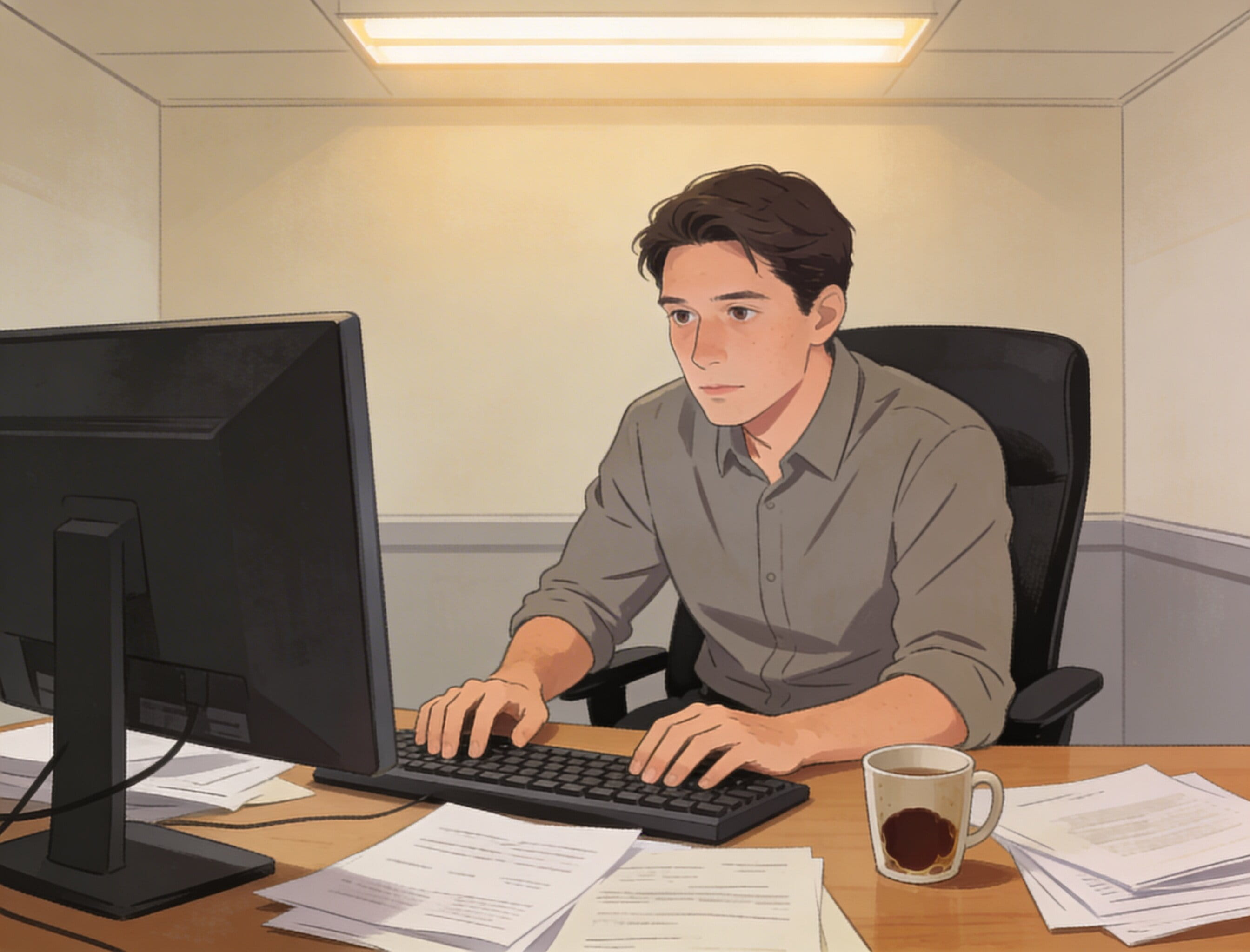
1. People With Sedentary Lifestyles
If your daily routine involves:
- Sitting for long hours
- Desk jobs
- Minimal physical activity
Your risk increases.
Why?
Sitting puts continuous pressure on the lower body, especially the rectal veins.
2. People With Irregular Eating Habits
Skipping meals, eating low-fiber food, or relying on processed food can:
- Disrupt digestion
- Lead to constipation
Which is one of the biggest triggers for hemorrhoids.
3. People Who Strain During Bowel Movements
This includes those who:
- Frequently deal with constipation
- Spend too long on the toilet
Straining increases pressure in rectal veins.
4. Pregnant Women
During pregnancy:
- Pressure in the abdomen increases
- Digestion slows down
This makes hemorrhoids quite common during this phase.
5. People With Busy, High-Stress Lifestyles
Stress doesn’t directly cause hemorrhoids—but it affects:
- Digestion
- Bowel habits
Which can indirectly increase risk.
6. People Who Delay Bathroom Urges
Ignoring the urge to go may seem harmless—but over time:
- Stool becomes harder
- Passing becomes difficult
Leading to strain and pressure.
7. People With Low Water Intake
Hydration plays a bigger role than most people realize.
Without enough water:
- Stool becomes dry
- Bowel movement becomes harder
Increasing the chances of hemorrhoids.
Why Hemorrhoids Are Becoming More Common Today
Let’s connect this with modern lifestyle.
Compared to earlier generations:
- More sitting
- Less physical activity
- More processed food
- Less consistent routines
All of these contribute to higher risk.
Are Hemorrhoids Age-Specific?
Not really.
Younger adults:
Often affected due to lifestyle habits
Middle-aged individuals:
Combination of lifestyle + long-term patterns
Older adults:
Natural weakening of tissues
So yes, risk increases with age—but it’s not limited to it.
Are Hemorrhoids a Sign of Poor Health?
Not necessarily.
They are often a lifestyle-related condition, not a disease caused by something “serious.”
But…
They can signal that your digestive habits need attention.
Why People Don’t Talk About It
This is important to understand.
Most people avoid discussing hemorrhoids because:
- It feels embarrassing
- It involves a sensitive area
- Symptoms are personal
But silence leads to lack of awareness—and delayed action.
When “Common” Doesn’t Mean “Ignore It”
Just because hemorrhoids are common doesn’t mean they should be ignored.
Ignoring symptoms can lead to:
- Increased discomfort
- Worsening condition
- More complex treatment later
Awareness should lead to action—not neglect.
Early Signs People Usually Overlook
Many people miss early symptoms like:
- Mild itching
- Occasional discomfort
- Slight bleeding
These are often dismissed—but they’re early indicators.
The Good News: They’re Manageable
Here’s the positive side:
- Most hemorrhoids are manageable
- Many cases improve with simple changes
The key is:
- Recognizing symptoms early
- Understanding the cause
- Making small adjustments

How to Reduce Your Risk (Without Overcomplicating It)
Focus on:
- Regular bowel habits
- Balanced diet
- Staying hydrated
- Avoiding long sitting periods
You don’t need extreme changes—just consistency.
Common Mistake: Thinking “It Won’t Happen to Me”
Because symptoms don’t appear immediately, many people assume:
“I’m fine for now.”
But hemorrhoids often develop slowly.
By the time symptoms appear, the cause has been building for a while.
When Should You Pay Attention?
Even if it’s common, you should take symptoms seriously if:
- They keep coming back
- They worsen over time
- They affect daily comfort
That’s your signal to act.
Final Thought
Hemorrhoids might be common—but that doesn’t mean you have to live with them.
Understanding how and why they happen puts you in control.
And sometimes, awareness alone is enough to prevent the problem from getting worse.