
Hematemesis is the medical term for vomiting blood, a symptom that typically signals a significant problem in the upper gastrointestinal (GI) tract. The blood may be bright red, indicating active bleeding, or it may appear dark brown, resembling coffee grounds, which suggests the blood has been in the stomach long enough to be partially digested.
Hematemesis is not a disease itself, but rather a symptom of an underlying condition, and can range from being a mild, treatable issue to a severe, life-threatening medical emergency. Understanding the causes, diagnostic approaches, and treatment methods is essential for managing hematemesis and preventing serious complications.
Medical Definition of Hematemesis
The term "hematemesis" is derived from the Greek words "haima" (blood) and "emesis" (vomiting). It refers specifically to the act of vomiting blood. In medical contexts, hematemesis is categorized as an upper gastrointestinal (GI) bleed and is often associated with conditions affecting the esophagus, stomach, and duodenum. It is crucial to identify the cause of hematemesis to determine the appropriate course of action and treatment.
Bright Red vs. Coffee Ground Blood
- Bright Red Blood: Indicates fresh bleeding from the upper GI tract, such as the esophagus or stomach. This can be caused by conditions like esophageal varices, Mallory-Weiss tears, or gastric ulcers.
- Coffee Ground Appearance: When blood has been in the stomach for a while, it reacts with stomach acid, resulting in a dark brown color. This suggests that the bleeding is not active but rather has been digested. This is often associated with gastritis or peptic ulcers.
Understanding the difference in blood appearance is key in diagnosing the severity and origin of the bleeding.
Common Causes of Hematemesis
Several conditions can lead to hematemesis, from relatively mild and treatable causes to more severe and life-threatening conditions. Here are some of the most common causes:
1. Peptic Ulcers
Peptic ulcers are open sores that develop on the inner lining of the stomach or duodenum, often caused by infection with the bacterium Helicobacter pylori or by the use of nonsteroidal anti-inflammatory drugs (NSAIDs). If the ulcer erodes into a blood vessel, it can lead to significant bleeding, causing hematemesis.
Symptoms and Diagnosis:
- Burning stomach pain
- Indigestion and nausea
- Vomiting blood (hematemesis)
Treatment:
Treatment usually involves proton pump inhibitors (PPIs) to reduce stomach acid, antibiotics to treat H. pylori infections, and medications to protect the stomach lining.
2. Esophageal Varices
Esophageal varices are enlarged veins in the esophagus that occur when blood flow to the liver is blocked, often due to cirrhosis. The increased pressure in these veins can cause them to rupture, leading to massive bleeding and hematemesis.
Symptoms and Diagnosis:
- Difficulty swallowing
- Fatigue and jaundice
- Vomiting blood (often in large amounts)
Treatment:
Medications such as beta-blockers to lower portal blood pressure, endoscopic banding or sclerotherapy to control bleeding. In some cases, a liver transplant may be necessary if liver failure is present.
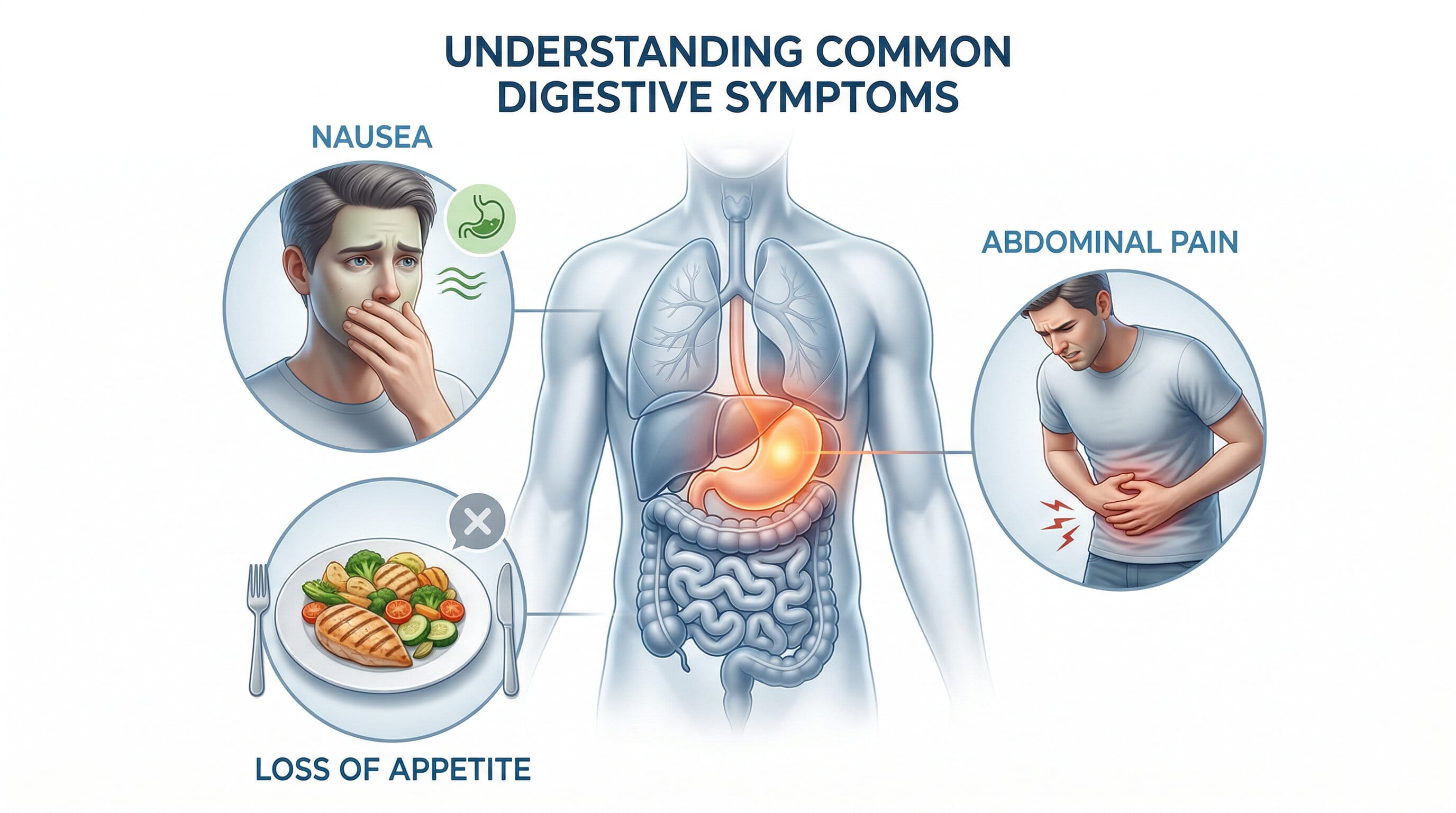
3. Gastritis
Gastritis refers to the inflammation of the stomach lining, often caused by infection (especially H. pylori), excessive alcohol consumption, or the long-term use of NSAIDs. In severe cases, gastritis can lead to bleeding, resulting in hematemesis.
Symptoms and Diagnosis:
- Nausea or vomiting
- Loss of appetite
- Abdominal pain and discomfort
Treatment:
PPIs or H2 blockers to reduce stomach acid, antibiotics to treat H. pylori infections, avoiding alcohol and NSAIDs.
4. Mallory-Weiss Tear
A Mallory-Weiss tear is a tear in the mucous membrane where the esophagus meets the stomach. This can occur due to forceful vomiting or retching, which puts pressure on the esophagus. When the tear occurs, blood vessels may rupture, leading to hematemesis.
Symptoms and Diagnosis:
- Vomiting blood after a period of severe vomiting or retching
- Abdominal pain or discomfort
Treatment:
Most Mallory-Weiss tears heal on their own. However, in severe cases, treatment may involve endoscopic procedures to stop the bleeding.
5. Gastric Cancer
Though rare, gastric cancer can cause hematemesis when the tumor erodes into a blood vessel. Symptoms of gastric cancer often develop slowly, but hematemesis can be one of the first signs that a patient seeks medical help.
Symptoms and Diagnosis:
- Unexplained weight loss
- Nausea and vomiting
- Abdominal pain or discomfort
- Blood in the vomit
Treatment:
Treatment depends on the stage of the cancer and may include surgery, chemotherapy, or radiation therapy.
Diagnosis of Hematemesis
The diagnosis of hematemesis begins with a detailed medical history and physical examination. The doctor will ask about the amount of blood, the frequency of vomiting, associated symptoms, and risk factors. Diagnostic tests are then used to identify the underlying cause of the bleeding.
1. Endoscopy (Upper GI)
Endoscopy is the most effective diagnostic tool for hematemesis. A flexible tube with a camera is inserted through the mouth to directly observe the esophagus, stomach, and duodenum. The doctor can visualize any ulcers, varices, tears, or tumors that may be causing the bleeding.
2. Blood Tests
Blood tests are essential for assessing the severity of blood loss, checking for anemia, and evaluating liver function. These tests can help identify any underlying bleeding disorders or infections.
3. Imaging Studies
In some cases, imaging studies such as a CT scan or ultrasound may be necessary to identify sources of bleeding that are not visible during endoscopy.
Treatment of Hematemesis
The treatment of hematemesis depends on its cause and severity. Immediate treatment may involve stabilizing the patient and managing any life-threatening symptoms. Here’s how doctors typically treat hematemesis:
1. Stabilization and Supportive Care
If the bleeding is significant, the first step is to stabilize the patient. This may include:
- IV fluids to restore blood volume
- Blood transfusions if there is significant blood loss
- Medications like proton pump inhibitors (PPIs) or H2 blockers to reduce stomach acid
2. Endoscopic Treatment
If the bleeding is caused by peptic ulcers, varices, or a Mallory-Weiss tear, endoscopic treatment may be used to stop the bleeding. Procedures like banding or sclerotherapy are commonly used for esophageal varices, while cauterization or clipping can stop bleeding from ulcers.
3. Surgery
In rare cases, surgery may be required to control bleeding if endoscopic treatment is unsuccessful or if the condition is severe (such as a large peptic ulcer or gastric cancer).
4. Treatment of Underlying Conditions
For patients with liver disease or other chronic conditions, addressing the underlying cause is essential for preventing future episodes of hematemesis. For example, medications to manage portal hypertension may be prescribed to reduce the risk of esophageal varices bleeding.

When to Seek Medical Attention
Any episode of hematemesis should prompt an immediate visit to the emergency room, especially if any of the following are true:
- Large amounts of blood are being vomited or the vomiting is ongoing.
- Signs of shock, such as rapid heart rate, low blood pressure, or confusion.
- Severe abdominal pain accompanies the vomiting.
- The person has a history of liver disease or other conditions that put them at risk for gastrointestinal bleeding.
- The blood appears dark or coffee-ground in color, suggesting a more significant issue.
Conclusion
Hematemesis is a serious symptom that signals upper gastrointestinal bleeding. While it can be caused by conditions ranging from ulcers and gastritis to esophageal varices and cancer, it is crucial to diagnose and treat the underlying cause promptly. If you or someone you know experiences vomiting blood, seeking immediate medical care is critical for preventing complications and ensuring appropriate treatment.