
Vomiting blood, medically known as hematemesis, is a frightening symptom that can occur suddenly. It’s a sign of bleeding in the upper gastrointestinal (GI) tract, which includes the esophagus, stomach, and duodenum. Vomiting blood is often a medical emergency, and it’s crucial to understand its potential causes and seek prompt medical attention.
While vomiting blood can be a sign of relatively mild conditions, it’s also associated with life-threatening diseases. In this blog, we’ll explore what it means when you vomit blood, the most common causes of hematemesis, and what you should do if it happens.
What is Hematemesis?
Hematemesis is the medical term for vomiting blood. The appearance of the blood can give doctors important clues about where the bleeding is coming from in the GI tract:
- Bright red blood: Indicates active bleeding from the esophagus or stomach.
- Coffee-ground appearance: Suggests that the blood has been in the stomach for a while and has been partially digested.
Hematemesis is a serious condition that requires immediate medical evaluation. If you vomit a significant amount of blood or if it’s accompanied by symptoms like dizziness, rapid heartbeat, or severe abdominal pain, seek emergency care right away.
Common Causes of Vomiting Blood (Hematemesis)
There are many conditions that can cause hematemesis. Some are more serious than others, but they all require medical attention. Here are some of the most common causes:
1. Peptic Ulcers
Peptic ulcers are open sores that develop in the lining of the stomach or duodenum. They occur when stomach acid erodes the protective lining, allowing the acid to irritate the underlying tissue. This can lead to bleeding, resulting in the vomiting of blood.
Peptic ulcers are most commonly caused by:
- Helicobacter pylori (H. pylori) infection.
- Chronic use of NSAIDs (nonsteroidal anti-inflammatory drugs like ibuprofen).
- Excessive alcohol consumption or smoking.
2. Esophageal Varices
Esophageal varices are enlarged veins in the lower part of the esophagus, often caused by liver cirrhosis. When the liver becomes damaged, it increases pressure in the veins that carry blood to the liver, which can cause the veins in the esophagus to swell. These varices can rupture and bleed, leading to hematemesis.
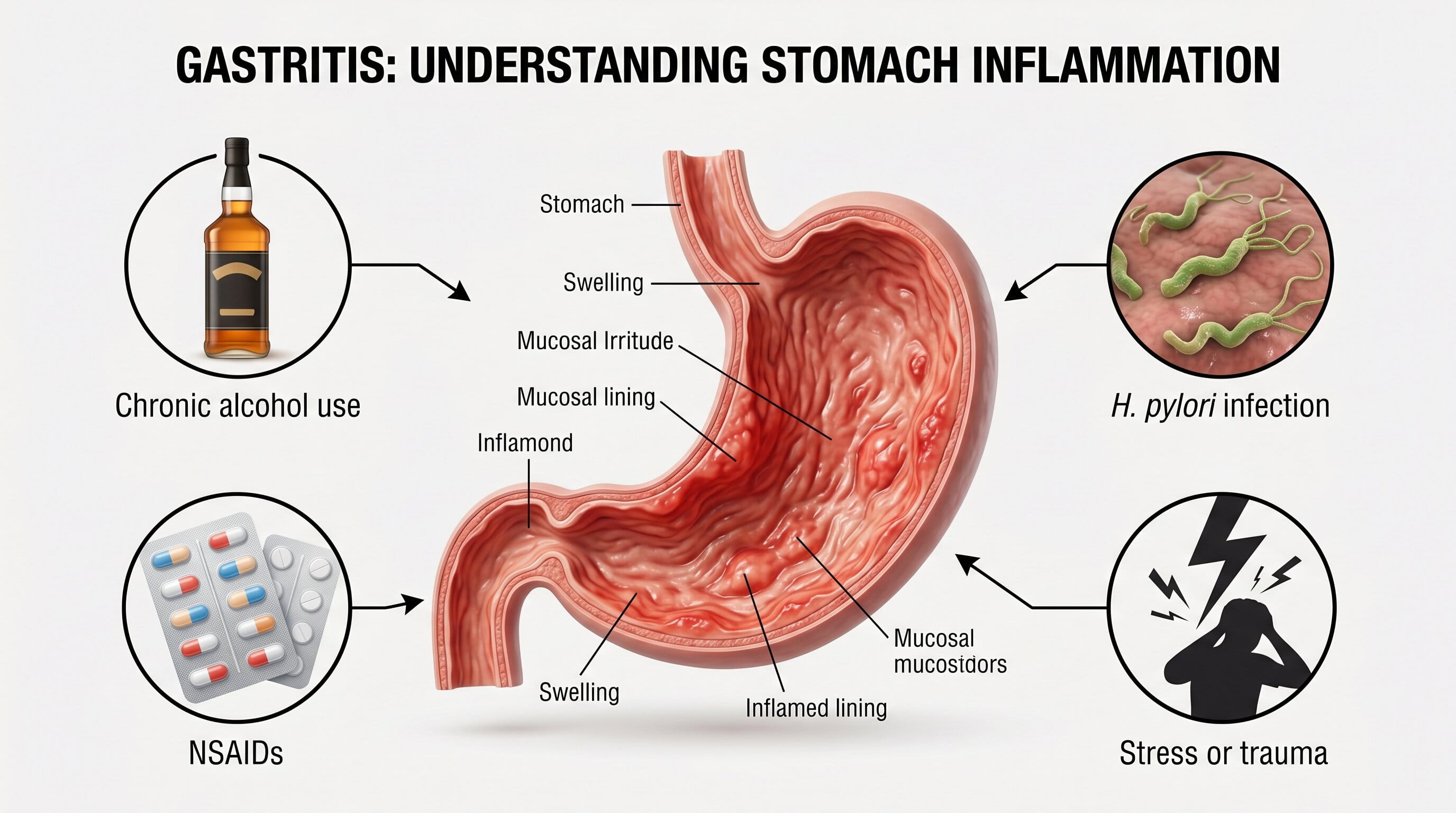
3. Gastritis
Gastritis refers to the inflammation of the stomach lining, often caused by:
- Chronic alcohol use.
- H. pylori infection.
- NSAIDs.
- Stress or trauma.
If the stomach lining is inflamed for a prolonged period, it can lead to erosive gastritis, where the tissue breaks down and bleeds, resulting in vomiting blood.
4. Mallory-Weiss Tears
A Mallory-Weiss tear is a tear in the mucous membrane where the esophagus meets the stomach. These tears are typically caused by severe vomiting or retching, often after heavy drinking. When the tear occurs, it can lead to bleeding and hematemesis.
5. Gastrointestinal Cancer
Certain types of gastrointestinal cancers, such as stomach cancer or esophageal cancer, can cause hematemesis. Tumors may bleed into the stomach or esophagus, leading to vomiting blood.
Less Common Causes of Hematemesis
Though less common, hematemesis can also result from other conditions, including:
- Angiodysplasia: Abnormal blood vessels in the GI tract that can bleed.
- Arteriovenous malformations (AVMs): Abnormal connections between arteries and veins in the GI tract.
- Swallowed foreign objects: Such as sharp objects or chemicals that can cause internal bleeding.
- Coagulation disorders: Conditions like hemophilia or vitamin K deficiency, where the blood does not clot properly, increasing the risk of bleeding.
When Should You Seek Emergency Care?
If you experience hematemesis, you should seek medical attention immediately, especially if:
- Large amounts of blood are present.
- The blood is bright red, indicating fresh, active bleeding.
- You feel dizzy, lightheaded, or faint.
- You have severe abdominal pain or a sense of fullness.
- Your vital signs (heart rate, blood pressure) become unstable, indicating shock.
Even if you are not sure about the severity of the bleeding, it’s always better to seek prompt medical care, as some causes of hematemesis can be life-threatening if not treated immediately.
Diagnosis of Hematemesis
The diagnosis of hematemesis involves several tests and procedures to determine the source of the bleeding:
1. Upper GI Endoscopy
Endoscopy is the most common method for identifying the cause of hematemesis. During this procedure, a flexible tube with a camera is inserted into the esophagus, stomach, and duodenum. The doctor can directly visualize any ulcers, varices, or other issues causing the bleeding.
2. Blood Tests
Blood tests help determine the extent of blood loss and assess whether you have anemia (low red blood cell count). These tests also check for liver function and signs of infection.
3. Imaging Studies
In some cases, additional imaging tests, like a CT scan or ultrasound, may be used to check for conditions like liver disease or tumors in the GI tract.
Treatment of Hematemesis
Treatment of hematemesis depends on the underlying cause of the bleeding. The primary goal is to stabilize the patient and stop the bleeding.
1. Stabilization and Supportive Care
- IV fluids: To replace lost blood and maintain blood pressure.
- Blood transfusions: If significant blood loss has occurred.
- Oxygen therapy: If there are signs of respiratory distress or shock.
2. Medications
- Proton Pump Inhibitors (PPIs): For treating ulcers or gastritis.
- Beta-blockers: For treating esophageal varices.
- Antibiotics: For treating H. pylori infections.

3. Endoscopic Procedures
- Endoscopic banding or sclerotherapy: To stop bleeding from varices.
- Cauterization or clipping: To treat ulcers or tears in the esophagus or stomach.
4. Surgery
In severe cases where bleeding cannot be controlled with medication or endoscopic treatments, surgery may be required to address the underlying condition.
Conclusion
Vomiting blood is a serious symptom that requires immediate medical attention. While it can be caused by several conditions, most of which are treatable, it’s important to understand the potential causes and seek prompt care. With early intervention, the majority of people who experience hematemesis can recover without long-term complications.