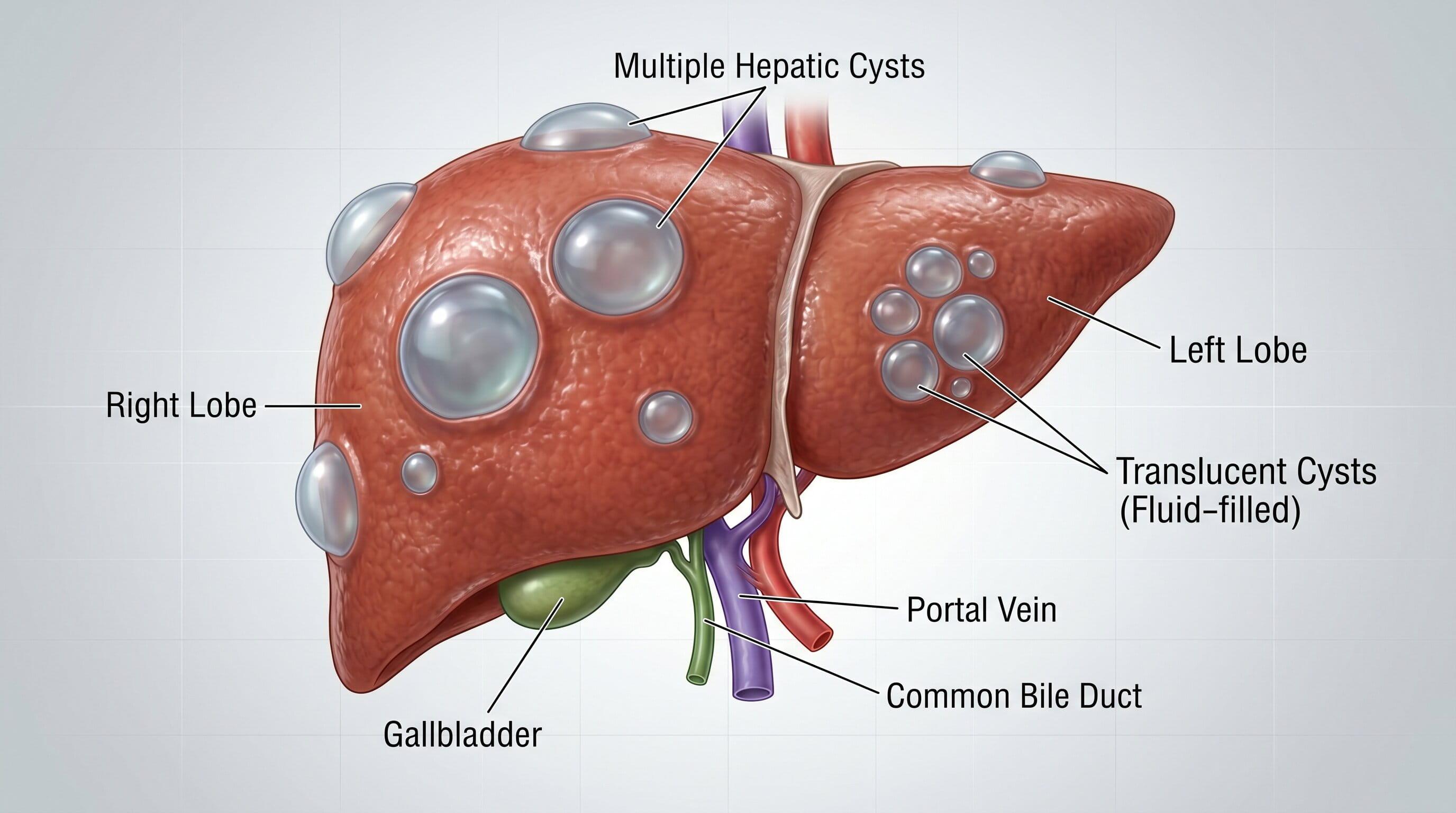
Liver cysts can develop due to various causes, ranging from genetic conditions to environmental factors. In this article, we'll explore the main causes of liver cysts, how they form, and potential risk factors to help you better understand their origins and effects on your liver health.
Common Causes of Liver Cysts
Liver cysts are often classified as either simple or complex. While simple cysts are typically benign and may develop without a clear cause, several factors can contribute to their formation. Below are the primary causes of liver cysts:
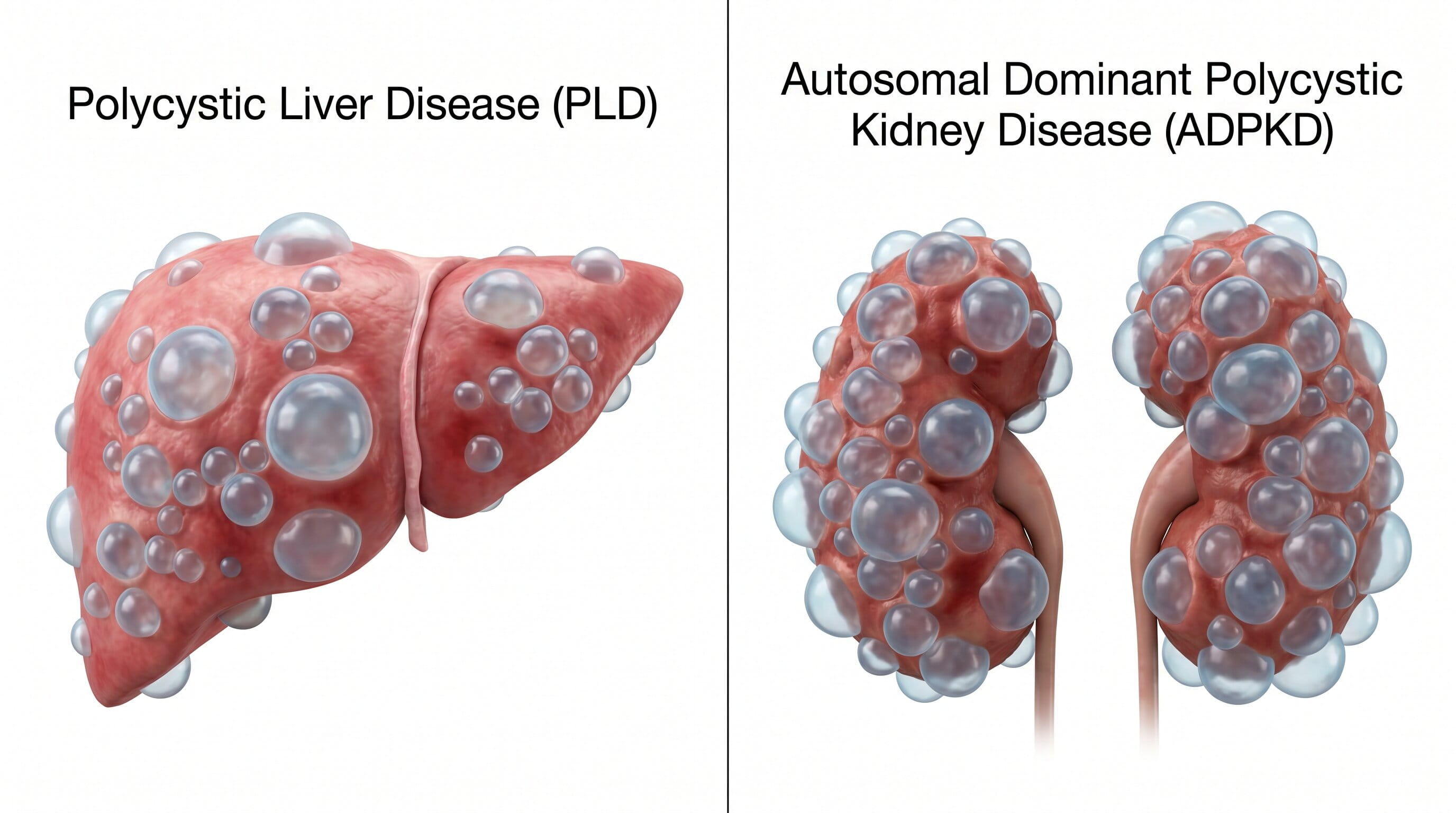
1. Genetic Factors
- Polycystic Liver Disease (PLD): A common genetic condition where multiple cysts develop in the liver, potentially leading to enlargement and reduced liver function over time.
- Autosomal Dominant Polycystic Kidney Disease (ADPKD): Individuals with this condition have a higher risk of developing liver cysts due to shared genetic mutations affecting both organs.
2. Congenital Cysts
- Present at Birth: These cysts develop due to abnormalities during fetal development and may remain unnoticed for years.
- Associated Conditions: May occur as part of conditions like Caroli’s disease, which affects bile ducts and can lead to complications.
3. Infections
- Parasitic Infections: Conditions like echinococcosis (hydatid disease) caused by Echinococcus granulosus can lead to cyst formation in the liver.
- Bacterial Infections: Untreated infections may result in liver abscesses that resemble cystic structures.
4. Obstruction of Bile Ducts
- Bile Flow Blockage: Conditions such as choledochal cysts or biliary atresia can block bile ducts, leading to cyst formation.
- Associated Symptoms: Often accompanied by jaundice and may require surgical treatment.
5. Liver Disease
- Chronic Conditions: Diseases like cirrhosis and hepatitis can damage liver tissue, contributing to cyst development.
- Fatty Liver Disease (NAFLD): Advanced stages may increase the likelihood of cyst formation.
6. Hormonal Factors
- Hormonal Imbalances: Pregnancy or hormonal medications (such as birth control) may influence abnormal cell growth, potentially leading to cyst formation.
7. Trauma or Injury
- Liver Damage: Physical injury, surgery, or excessive alcohol use may damage liver tissue and contribute to cyst development in rare cases.
How to Prevent Liver Cysts
While some liver cysts, especially those caused by genetic factors, cannot be prevented, certain lifestyle changes can help reduce the risk of liver damage and related complications:
- Healthy diet and exercise: Maintain a balanced diet and regular physical activity to prevent obesity and fatty liver disease.
- Limit alcohol consumption: Excessive alcohol intake can damage the liver and increase the risk of liver conditions.
- Vaccination: Protect yourself against hepatitis infections by getting vaccinated if you are at risk.
- Regular liver check-ups: Routine screening is important, especially if you have a family history of liver disease or polycystic liver disease.
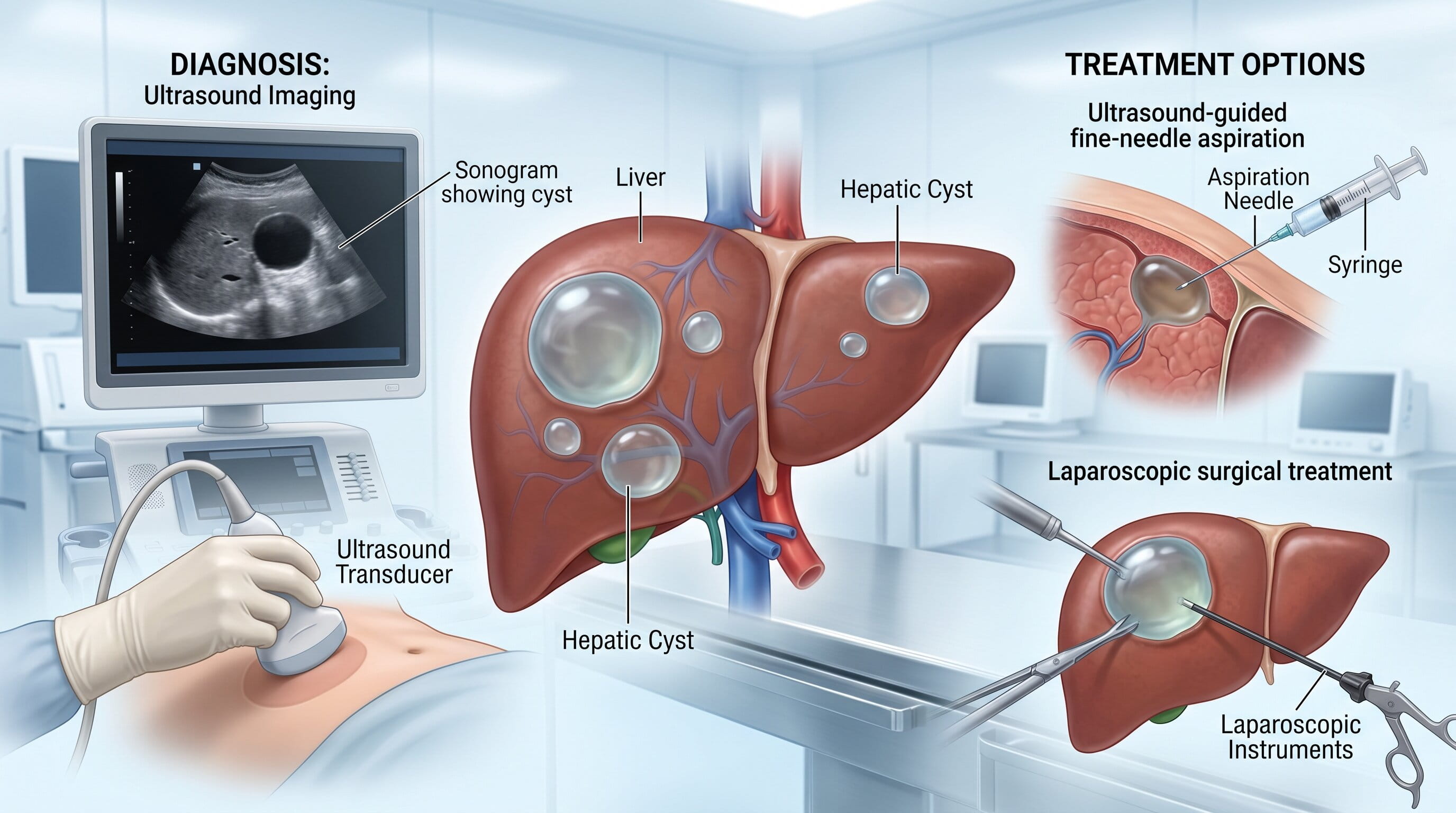
Diagnosis and Treatment of Liver Cysts
If you suspect you have liver cysts, it is important to consult a healthcare provider. Diagnostic evaluation typically includes imaging tests such as ultrasound, CT scan, or MRI to assess the size, location, and nature of the cysts.
Based on the diagnosis, treatment options may include:
- Monitoring: Small, asymptomatic cysts are often observed over time without immediate treatment.
- Surgical removal or drainage: Large or symptomatic cysts may require minimally invasive procedures.
- Treating underlying conditions: Managing infections or liver diseases that contribute to cyst formation is essential for overall liver health.