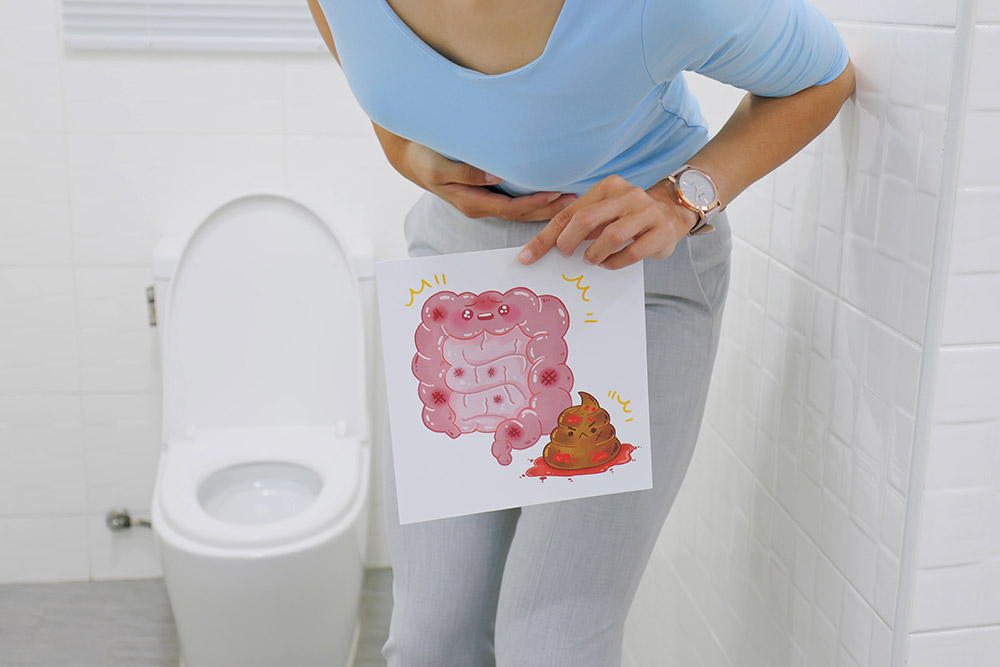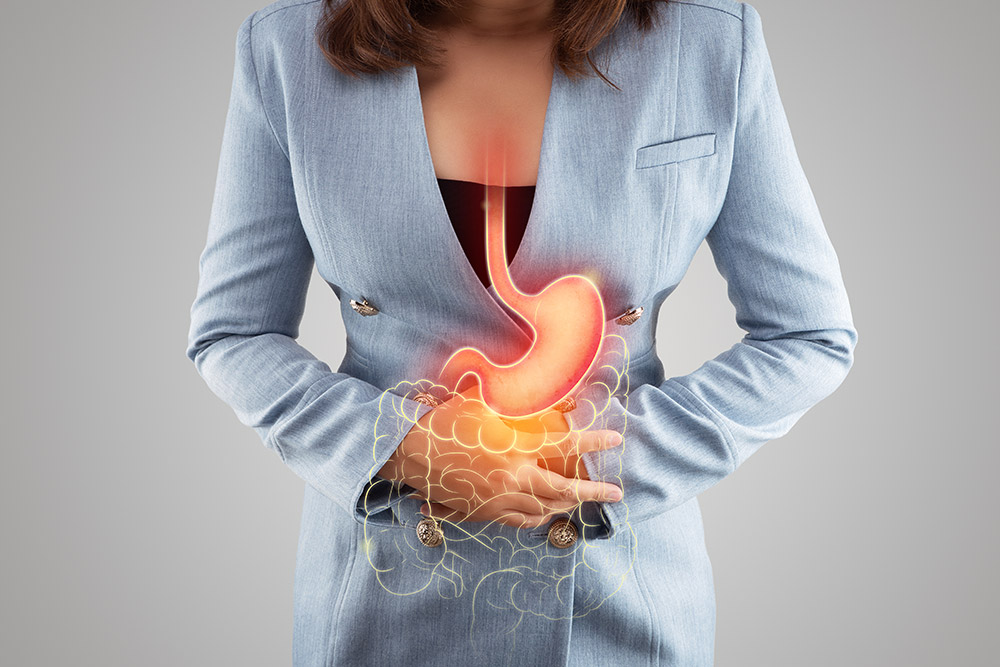








If you're a Cypress, TX resident living with ulcerative colitis, you may notice mucus in your stool, which can be a concerning symptom. Understanding why this happens and whether it's normal is crucial for managing your condition. In this blog, we will explore why mucus appears in stool for those with ulcerative colitis, what it means for your health, and how to manage it effectively in Cypress, TX.
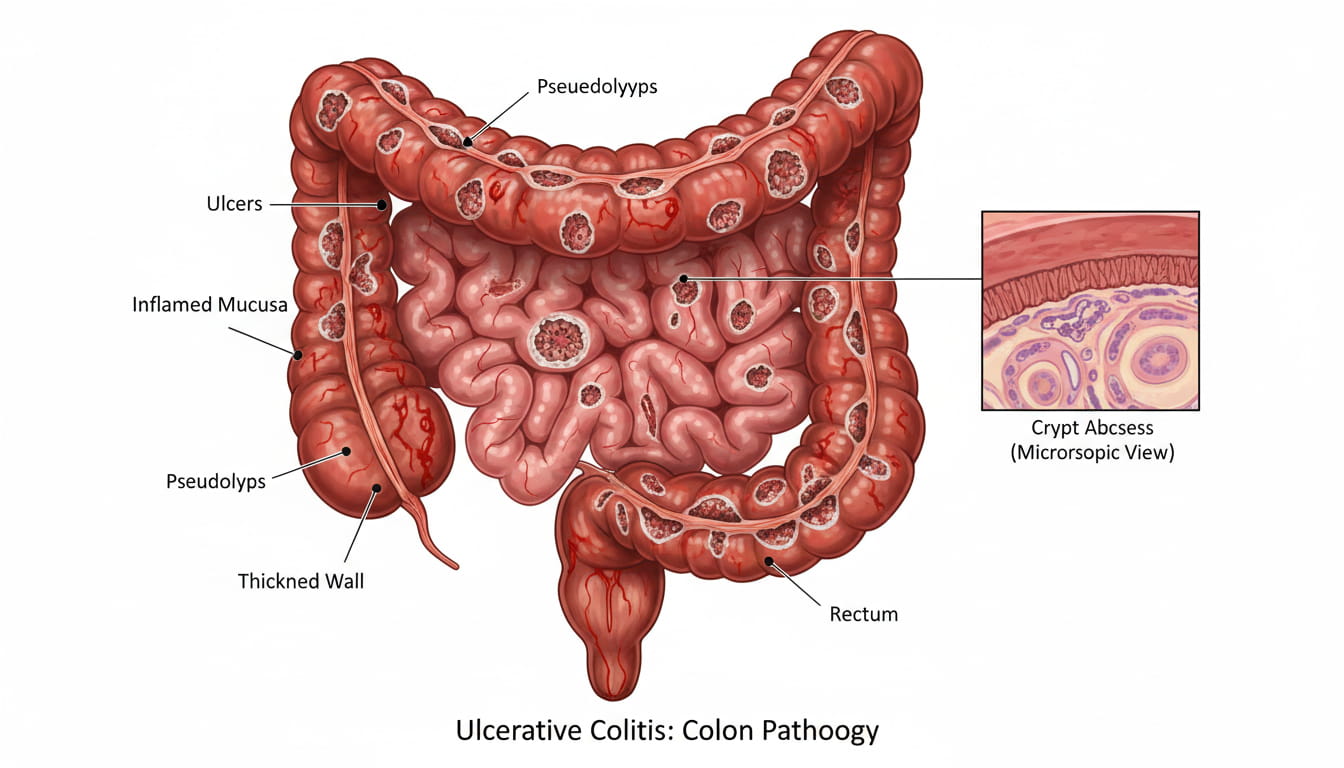
Mucus is a natural substance produced by the lining of your intestines. It serves to lubricate the digestive tract and protect it from irritation. In a healthy digestive system, mucus is present in small, usually unnoticed amounts. However, when you have ulcerative colitis, the inflammation and sores in the colon can cause the body to produce an excess of mucus, which can become visible in the stool.
Yes, mucus in stool is a common symptom of ulcerative colitis, especially during flare-ups. Ulcerative colitis causes inflammation in the colon and rectum, which often leads to an increase in mucus production as the body tries to protect the intestines. This is a natural response to inflammation.
In Cypress, TX, local gastroenterologists often explain that the presence of mucus can vary depending on the severity of the flare-up. Some individuals may experience mucus in stool frequently, while others may notice it only during periods of increased inflammation.

While mucus is a normal symptom for many with ulcerative colitis, there are certain signs that may indicate the need for a medical consultation. If you notice an increase in mucus or if it's accompanied by blood, severe abdominal pain, or fever, it's important to seek medical attention. A Cypress gastroenterologist can assess your symptoms and help determine if your ulcerative colitis is well-managed or if a flare-up is occurring.
If you're experiencing increased mucus in your stool, it's important to consult with a specialist in Cypress, TX who can adjust your treatment plan. Medications like aminosalicylates, immunosuppressants, or biologics may be prescribed to control inflammation and reduce mucus production.
Certain foods may irritate your digestive system and increase mucus production. Working with a dietitian in Cypress to develop a personalized plan can help reduce flare-ups and manage mucus in stool.
Keeping track of the mucus in your stool, along with other symptoms like abdominal pain and diarrhea, can help you and your doctor better understand the patterns of your condition.
Stress is known to exacerbate symptoms of ulcerative colitis. Engaging in stress-relief activities like meditation, yoga, and exercise can help manage symptoms and reduce mucus production.
Mucus in stool is common for individuals with ulcerative colitis, especially during flare-ups when the colon becomes inflamed. It’s the body’s way of protecting the digestive tract from irritation.
Managing ulcerative colitis through proper medication, dietary adjustments, and stress management can reduce mucus production. Consulting a gastroenterologist in Cypress is crucial for tailored care.
Yes, mucus in stool often increases during a flare-up of ulcerative colitis due to heightened inflammation in the colon. It’s important to monitor your symptoms and consult with a Cypress gastroenterologist if needed.

If you experience blood in your stool, severe pain, or fever along with mucus, it’s essential to consult a healthcare provider immediately. These could be signs of complications or a worsening flare.
For Cypress, TX residents, mucus in stool is a common but manageable symptom of ulcerative colitis. While it’s often part of the body’s natural response to inflammation, staying on top of your condition with the help of a local gastroenterologist is key to reducing symptoms and maintaining your quality of life.
If you're concerned about mucus in stool or other symptoms related to ulcerative colitis, don’t hesitate to reach out to a Cypress-based gastroenterology clinic for expert care. By understanding your condition and seeking personalized treatment, you can better manage the symptoms of ulcerative colitis and live a more comfortable life.
Dr. Bharat Pothuri is a Board-Certified Gastroenterologist and Hepatologist. With extensive experience in digestive health, he specializes in advanced endoscopic procedures, chronic GI disorder management, and preventive care. Dr. Pothuri is dedicated to providing expert, patient-focused insights to help improve gut health and overall well-being.
Mucus in stool is a common symptom of ulcerative colitis. It occurs when inflammation and sores in the colon cause the body to produce excess mucus, which can be visible in the stool.
No, mucus in stool can occur even without a flare-up. However, it is more common during flare-ups when inflammation in the colon increases mucus production.
Yes, stress can exacerbate symptoms of ulcerative colitis, including increased mucus production. Managing stress through relaxation techniques can help reduce this effect.
Managing your ulcerative colitis with proper medication, dietary adjustments, and stress management can help reduce mucus production. Working with a gastroenterologist is crucial for tailored care.
If you notice blood in your stool, severe abdominal pain, fever, or unexplained weight loss alongside mucus, it’s essential to consult a healthcare provider immediately for evaluation and treatment.
Yes, modifying your diet by avoiding high-fiber, dairy, and fatty foods can help manage symptoms like mucus in stool. A dietitian can help develop a personalized plan for you.
While mucus in stool is more common during flare-ups, it is not always present. The amount and frequency can vary depending on the severity of the flare and your management plan.
When mucus appears in stool, it is often accompanied by other symptoms like diarrhea, abdominal pain, and fatigue. Monitoring these symptoms can help assess the severity of the condition.
Yes, medications like aminosalicylates, corticosteroids, and immunosuppressants can reduce inflammation in the colon, which in turn helps reduce mucus production.
Ignoring mucus, especially if it's accompanied by other symptoms like blood or severe pain, can delay the diagnosis of a flare-up or other complications, leading to more serious health issues.