







Heartburn is common. Almost everyone in Katy, TX has experienced that uncomfortable burning sensation in the chest after a heavy meal, spicy food, or late-night snack. But when heartburn happens frequently — several times a week or even daily — many people start to wonder: Is frequent heartburn dangerous?
The short answer: It can be. While occasional heartburn is usually harmless, frequent or chronic heartburn may signal an underlying condition and, if left untreated, can lead to serious complications.
In this comprehensive local guide for Katy residents, we’ll explore:
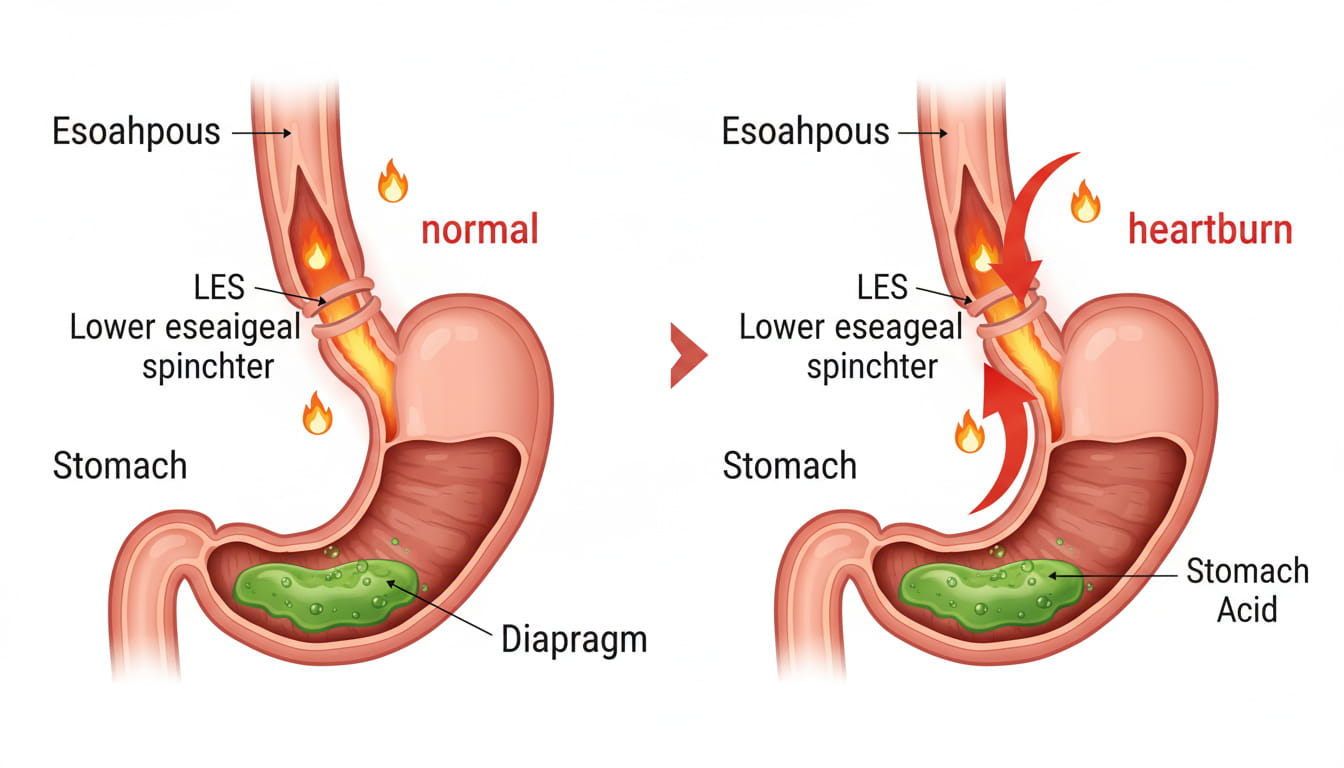
Heartburn is a symptom — not a disease. It occurs when stomach acid flows backward into the esophagus, causing irritation and a burning sensation in the chest. This backward flow is called acid reflux. If acid reflux happens regularly (two or more times per week), it may indicate Gastroesophageal Reflux Disease (GERD).
In the United States:
In growing suburban communities like Katy — where busy schedules, dining out, and high-stress jobs are common — reflux rates are similar to or higher than national averages.
You may have frequent heartburn if:
Frequent symptoms suggest acid is repeatedly damaging your esophagus — which can be dangerous over time.
Occasional acid exposure is manageable. However, repeated acid contact can lead to:
Over time, this increases the risk of serious complications.
Repeated acid exposure inflames the esophagus, causing pain, difficulty swallowing, and bleeding in severe cases.
Chronic inflammation can cause scar tissue, narrowing the esophagus and making swallowing difficult.
One of the most serious complications is Barrett's Esophagus. This occurs when normal esophageal cells are replaced with abnormal cells due to chronic acid exposure. Barrett’s Esophagus increases the risk of esophageal cancer.
Although rare, long-term untreated GERD can increase the risk of adenocarcinoma of the esophagus. Early detection significantly improves outcomes.
Frequent acid reflux can cause:
Many patients in Katy don’t realize their chronic cough is linked to reflux.
Katy is known for:
These local lifestyle factors may increase reflux risk.
In addition, Harris and Fort Bend counties have obesity rates above national averages — a major risk factor for GERD.
Frequent heartburn is more common in:
Busy professionals in Katy juggling work and family responsibilities may unknowingly increase their risk due to stress and irregular meal timing.
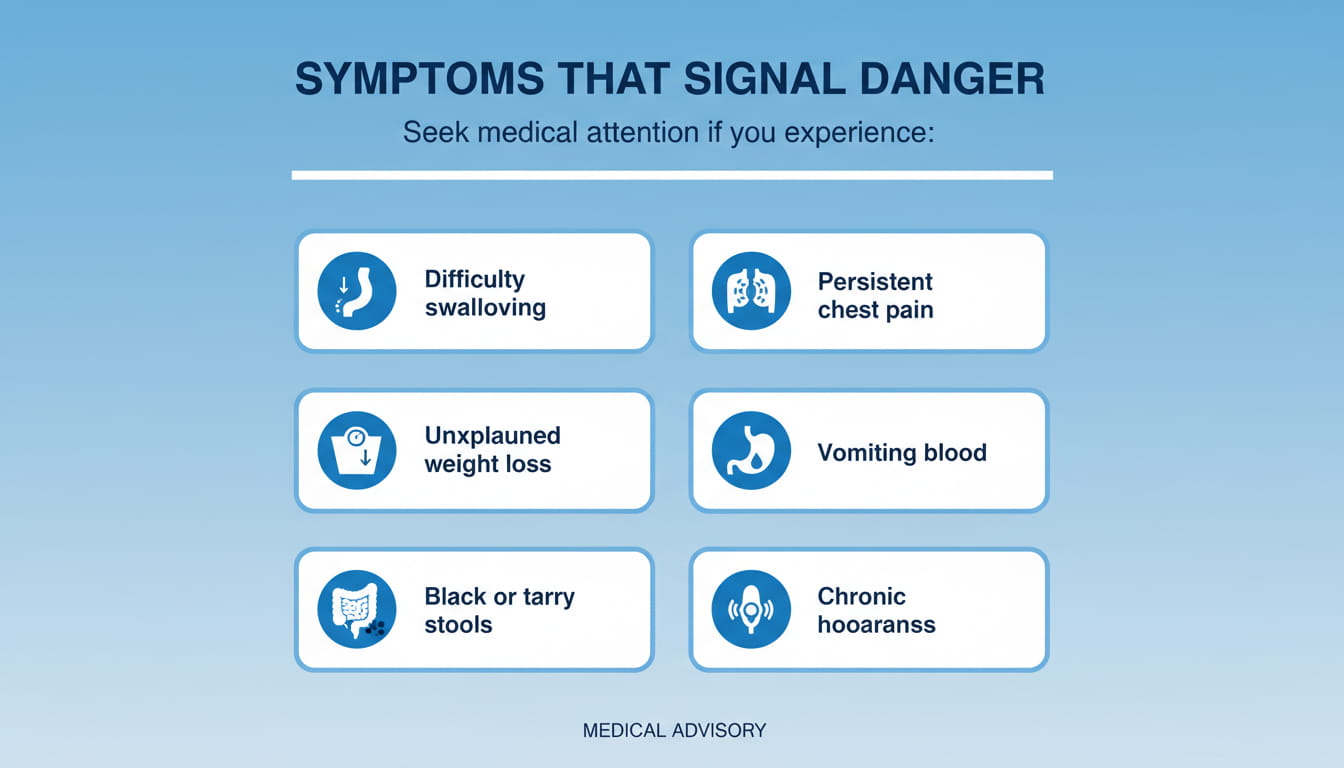
Seek medical attention if you experience:
These symptoms may indicate advanced complications.
Because heartburn causes chest pain, it can be confused with a heart attack.
If uncertain, seek emergency care immediately.
Doctors may recommend:
In Katy, residents have access to advanced diagnostics at:
Early evaluation prevents long-term damage.
Often the first step:
Antacids (quick relief), H2 blockers (reduce acid production), Proton pump inhibitors (strong acid suppression). PPIs are commonly prescribed for chronic GERD but should be monitored by a healthcare provider.
For severe GERD: Fundoplication surgery, LINX procedure. These are typically considered when medications fail.
Sometimes — especially if triggered by temporary stress or diet. However, chronic GERD usually requires long-term management. Ignoring symptoms rarely makes them disappear permanently.
If left untreated for years, chronic reflux can:
Sleep deprivation alone can impact productivity for Katy residents commuting daily to Houston’s Energy Corridor.
Schedule an appointment if:
Early care reduces the risk of Barrett's Esophagus and other complications.
Occasional heartburn is common and usually harmless. But frequent heartburn is not something to ignore.
For many Katy residents, chronic symptoms may indicate Gastroesophageal Reflux Disease — a condition that can lead to inflammation, strictures, precancerous changes, and even cancer if untreated.
The good news? Early diagnosis, lifestyle adjustments, and appropriate medical treatment dramatically reduce risk.
If you’re experiencing frequent heartburn in Katy, TX, don’t wait. Consult a local healthcare provider and take proactive steps toward protecting your digestive health.
Dr. Bharat Pothuri is a Board-Certified Gastroenterologist and Hepatologist. With extensive experience in digestive health, he specializes in advanced endoscopic procedures, chronic GI disorder management, and preventive care. Dr. Pothuri is dedicated to providing expert, patient-focused insights to help improve gut health and overall well-being.
Frequent heartburn occurs when acid reflux happens regularly — more than twice per week — and may signal a chronic condition like GERD rather than occasional indigestion. :contentReference[oaicite:0]{index=0}
Heartburn is the symptom — a burning chest sensation — while acid reflux is the backward flow of stomach acid into the esophagus that causes that symptom. :contentReference[oaicite:1]{index=1}
Heartburn becomes concerning when it is frequent, disrupts daily life, or does not respond to over‑the‑counter treatments, as it may indicate GERD that can damage the esophagus. :contentReference[oaicite:2]{index=2}
Yes. Untreated frequent heartburn can cause inflammation, esophageal narrowing, Barrett’s esophagus, and even increase the risk of esophageal cancer. :contentReference[oaicite:3]{index=3}
Danger signs include trouble swallowing, persistent chest pain, unexplained weight loss, vomiting blood, or black/tarry stools — all warrant medical evaluation. :contentReference[oaicite:4]{index=4}
While frequent heartburn is a key symptom of GERD, GERD refers to the chronic digestive condition that causes persistently frequent acid reflux and esophageal irritation. :contentReference[oaicite:5]{index=5}
Yes. Weight management, diet modification, avoiding trigger foods, quitting smoking, and sleeping adjustments can reduce symptoms and lower reflux frequency. :contentReference[oaicite:6]{index=6}
If heartburn occurs more than twice per week, does not improve with OTC medicine, or is accompanied by warning symptoms, see a healthcare provider. :contentReference[oaicite:7]{index=7}
Yes. Hormonal changes in pregnancy and certain conditions in children can increase reflux risk, and persistent symptoms in these groups should be evaluated. :contentReference[oaicite:8]{index=8}
While occasional heartburn can resolve with lifestyle changes, chronic GERD often requires ongoing management and medical treatment to reduce risk of complications. :contentReference[oaicite:9]{index=9}