
Hematemesis refers to the vomiting of blood and is a potentially serious symptom of gastrointestinal (GI) bleeding. The blood can be bright red or appear as coffee-ground material depending on how long it has been in the stomach. Hematemesis requires immediate medical attention to identify the underlying cause and prevent complications.
Understanding the Diagnostic Process for Hematemesis
When a patient presents with hematemesis, the first step is always to stabilize the person, especially if they have lost a significant amount of blood. Once the patient is stabilized, doctors will work to identify the cause of the bleeding. This process often involves a combination of medical history, physical examination, and diagnostic tests.
Key Diagnostic Tests for Hematemesis
Several diagnostic tests and procedures are used to determine the cause of hematemesis, identify the source of bleeding, and assess the severity of the situation. Here’s a breakdown of the most common tests and their purposes:
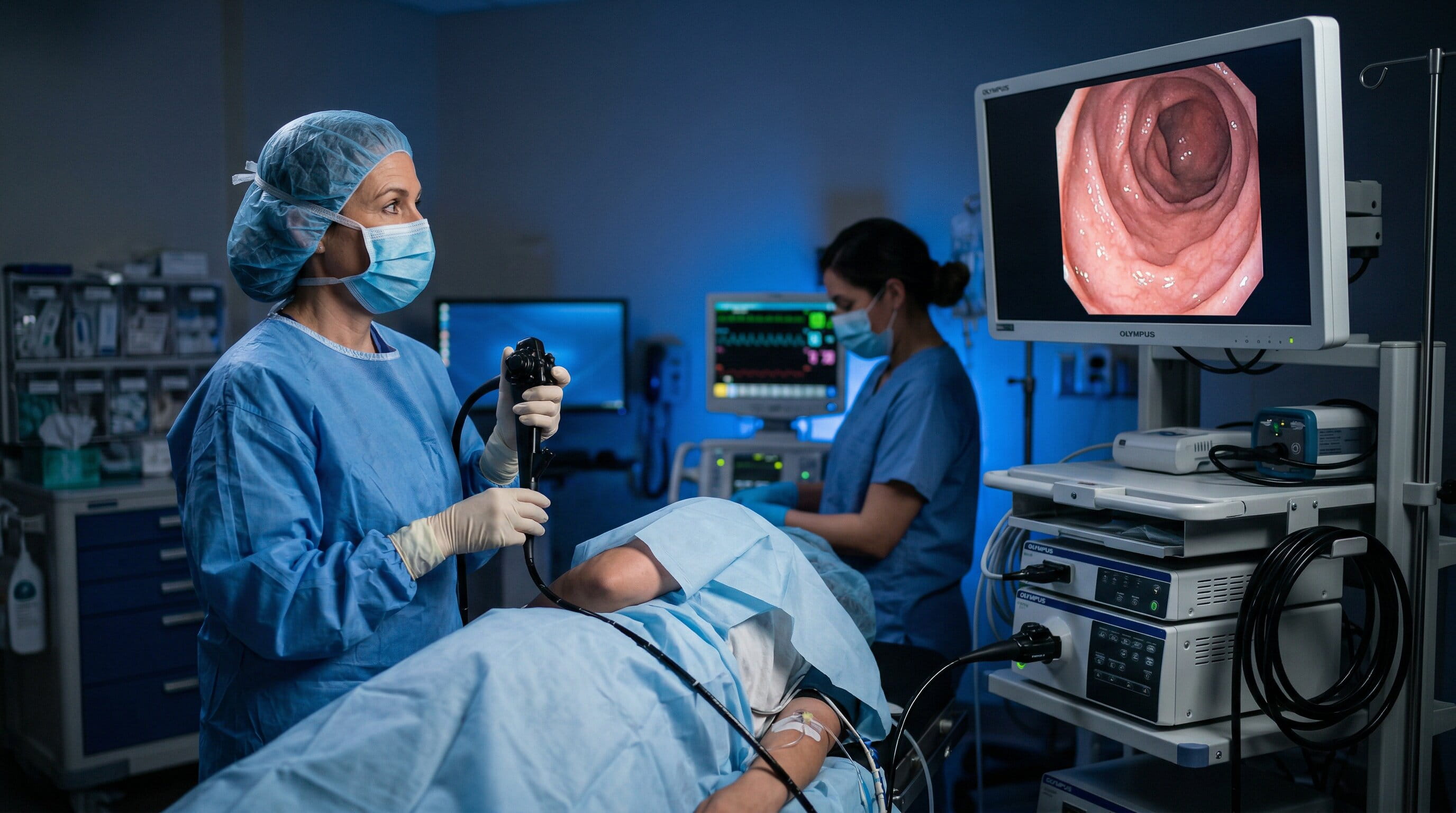
1. Endoscopy (Upper GI)
Endoscopy is the primary test used to diagnose the cause of hematemesis. It involves inserting a long, flexible tube with a camera (an endoscope) through the mouth to examine the esophagus, stomach, and duodenum. The procedure allows doctors to visually identify the source of bleeding, such as:
- Peptic ulcers: Sores in the stomach or duodenum
- Esophageal varices: Swollen veins in the esophagus, often due to liver disease
- Mallory-Weiss tears: Tears at the junction between the esophagus and stomach
- Tumors or cancer: Abnormal growths in the GI tract
Endoscopy can also be used to treat the bleeding in some cases, such as banding esophageal varices or cauterizing bleeding ulcers.
2. Blood Tests
Blood tests help doctors assess the severity of blood loss and the patient’s overall health. Key tests include:
- Complete blood count (CBC): Measures red blood cells, hemoglobin levels, and other markers to determine the extent of blood loss.
- Liver function tests: To check for liver disease, a common cause of esophageal varices.
- Coagulation studies: To evaluate the blood’s ability to clot and rule out bleeding disorders.
- Blood typing: In case blood transfusion is needed, knowing the patient’s blood type is essential.
These tests can help identify whether the bleeding is due to an underlying condition such as liver disease, ulcers, or a clotting disorder.
3. Imaging Studies
In some cases, imaging studies may be required to identify the source of bleeding, particularly when an endoscopy is inconclusive. Common imaging techniques include:
- CT scan: Provides detailed images of the abdominal organs and may identify sources of bleeding or tumors that are not visible through endoscopy.
- Ultrasound: Useful in detecting liver disease, gallstones, and other abdominal conditions that might cause bleeding.
4. Stool Tests (Occult Blood Test)
In some cases, stool tests may be performed to check for the presence of blood in the stool, even if hematemesis has not occurred. The fecal occult blood test (FOBT) is commonly used to detect hidden blood in the stool. While this test cannot diagnose the exact cause of hematemesis, it can help detect bleeding from the lower GI tract or other sources.
5. Gastric Lavage
In rare cases, if the source of bleeding is unclear, doctors may use gastric lavage. This involves flushing the stomach with a saline solution to remove any remaining blood, which can help doctors identify the source more easily through subsequent endoscopy or imaging.
When Is Further Testing Needed?
In some cases, further tests may be required to understand the cause of hematemesis. These could include tests like CT angiography or capsule endoscopy if the bleeding source remains elusive after initial testing. Doctors may also recommend repeat endoscopies to monitor for recurrent bleeding.
Treatment After Diagnosis
Once the cause of hematemesis has been diagnosed, treatment focuses on addressing the underlying condition. For example:
- Peptic ulcers: Treated with medications such as proton pump inhibitors (PPIs) and antibiotics for H. pylori infection.
- Esophageal varices: Managed with beta-blockers to reduce pressure and endoscopic banding to stop bleeding.
- Gastritis: Treated with acid-reducing medications and avoiding irritants like alcohol and NSAIDs.
- Cancer: Managed with surgery, chemotherapy, or radiation, depending on the stage.

When to Seek Emergency Care
If you experience hematemesis, it is crucial to seek medical help immediately, especially if any of the following signs are present:
- Large amounts of blood being vomited.
- Severe abdominal pain or discomfort.
- Signs of shock, such as dizziness, confusion, or fainting.
- Difficulty breathing or chest pain.
- Ongoing or recurrent bleeding, even if the amount is small.
Conclusion
Hematemesis is a serious condition that requires quick identification and intervention. Understanding the diagnostic tests involved in diagnosing the cause of hematemesis can help both patients and healthcare professionals navigate the situation more effectively. Early diagnosis, followed by appropriate treatment, is key to managing this life-threatening symptom and addressing its underlying causes.