







Gallstones are solid deposits, which develop within the gallbladder, a small organ that is found right under the liver. Gallstones are a widespread health issue in the U.S. with thousands of patients experiencing it every year although it is frequently not even diagnosed.
To the people of Cypress, TX, it is important to learn the risk factors of gallstones in order to ensure that they enjoy good health in terms of digestion. Early diagnosis may be able to stop the complications and enrich your life quality. In this paper, we will explore the risk factors that are most important in the development of gallstones, how they influence your health, and what alternative prevention and treatment can be done in Cypress.
The presence of gallstones is caused by a lack of balance in substances that constitute bile, which is a digestive fluid secreted by the liver. Gallstones are of two major types:
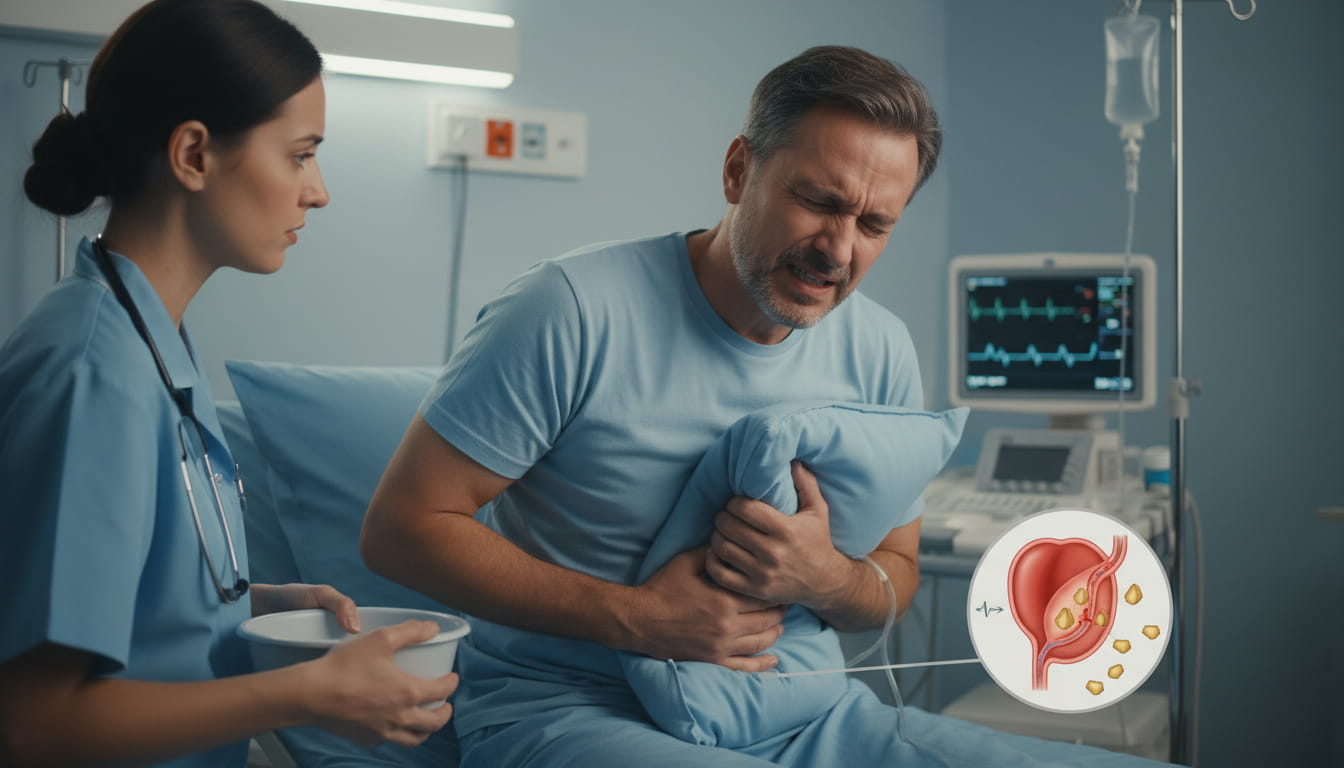
Although not all individuals with gallstones develop any symptoms (asymptomatic gallstones), some people develop painful attacks by the gallstones (mainly after a meal containing fatty foods).
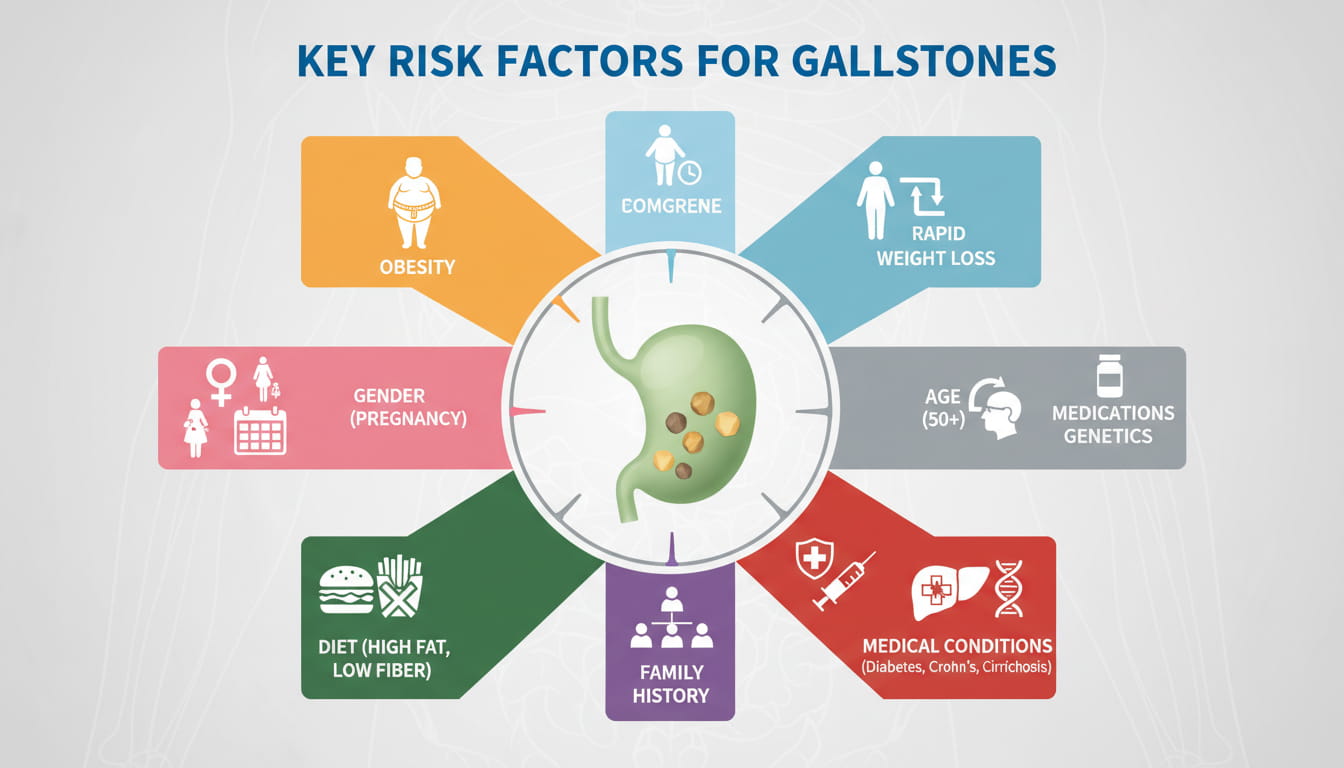
Several factors increase your likelihood of developing gallstones. These risk factors can range from lifestyle habits to underlying medical conditions. Let’s take a look at the key risks and how they specifically relate to the residents of Cypress, TX.
Being overweight or obese is one of the most significant risk factors for gallstones. Excess fat, particularly abdominal fat, increases the amount of cholesterol in your bile, which can lead to the formation of cholesterol gallstones.
In Cypress, where fast food and sedentary lifestyles are common, obesity rates are on the rise. According to the Texas Department of State Health Services, the prevalence of obesity in Harris County (where Cypress is located) is concerning. Maintaining a healthy weight through regular physical activity and a balanced diet can significantly reduce the risk of gallstones.
As you age, your risk of developing gallstones increases. Gallstones are more common in people over the age of 40. With age, the liver tends to produce more cholesterol, which can increase the risk of gallstone formation.
In Cypress, as more people are reaching middle age, it is important to be aware of the increased risk and take preventive steps to protect digestive health.
Women are at a higher risk of developing gallstones than men. This is due to the influence of estrogen, which increases the cholesterol levels in bile. Pregnancy, hormone therapy, or using birth control pills also increase the risk for women.
In Cypress, the local healthcare landscape should pay attention to women’s health concerns, as hormonal changes during pregnancy or with contraception use can make women more susceptible to gallstones. It's also important for women to monitor their health as they age.
If you have a family member who has had gallstones, you are more likely to develop them yourself. Genetics play a role in how your liver processes bile and cholesterol, which can contribute to the formation of gallstones.
For Cypress residents, understanding your family history and discussing any genetic predispositions with your healthcare provider is important in assessing your risk for gallstones.
Diabetes, particularly type 2 diabetes, is another significant risk factor for gallstones. People with diabetes have higher levels of triglycerides in their blood, which can contribute to gallstone formation.
In Cypress, with the growing number of diabetes cases, it is crucial to manage blood sugar levels through diet and exercise to prevent the development of gallstones.
Chronic high cholesterol is a well-known contributor to gallstone formation. Elevated cholesterol levels in the bile can make it easier for gallstones to form.
Residents of Cypress who have been diagnosed with high cholesterol should prioritize cholesterol management to reduce their risk of developing gallstones. Medications, lifestyle changes, and a heart-healthy diet can help.
Physical inactivity increases the likelihood of obesity and high cholesterol, both of which can contribute to gallstone formation.
Cypress residents with a sedentary lifestyle should incorporate more physical activity, such as walking, cycling, or swimming, to support their overall health and reduce their risk of gallstones.
While weight loss is beneficial for health, losing weight too quickly can increase the risk of gallstones. This can occur due to very low-calorie diets or extreme fasting, which causes the liver to release excess cholesterol into the bile.
For those in Cypress looking to lose weight, it’s crucial to do so gradually through a balanced approach that includes a nutritious diet and regular exercise. Consult with a healthcare provider or nutritionist for guidance on safe weight loss strategies.
Pregnancy increases the risk of developing gallstones due to hormonal changes, especially during the third trimester. Estrogen levels increase during pregnancy, causing the liver to secrete more cholesterol.
Cypress residents who are pregnant should talk to their doctor about managing their digestive health and preventing gallstones during and after pregnancy.
Although the risk factors mentioned above seem to be the most common, there are other factors that can predispose you, such as:
While you can’t always control some of the risk factors for gallstones, such as age or family history, lifestyle changes can significantly reduce your chances of developing them. Here are a few steps you can take:

Losing weight gradually and maintaining a healthy weight is one of the most important ways to prevent gallstones. It’s crucial to do so through a balanced diet and exercise regimen.
Focus on a diet that is high in fiber and low in unhealthy fats. Incorporate plenty of fruits, vegetables, and whole grains into your meals. Reducing your intake of saturated fats and cholesterol will help maintain healthy bile production.
Engage in regular physical activity to help prevent obesity and high cholesterol. Aim for at least 30 minutes of moderate exercise most days of the week.
If you’re looking to lose weight, do so gradually. Avoid extreme weight loss methods or fad diets that could increase your risk for gallstones.
If you have diabetes or high cholesterol, it’s important to manage these conditions with the help of a healthcare professional. Regular check-ups and maintaining healthy levels of blood sugar and cholesterol will lower your risk for gallstones.

If you experience any of the following symptoms, it’s important to seek medical attention immediately:
If you are concerned about your risk for gallstones, schedule a consultation with Dr. Bharat Pothuri at GastroDoxs. Our expert gastroenterologists in Cypress, TX, can help you assess your risk, provide preventive care, and offer treatment options if necessary.
If you’re concerned about your risk for gallstones or experiencing symptoms, schedule an appointment with Dr. Bharat Pothuri at GastroDoxs in Cypress, TX. We’re here to help you maintain your digestive health.
Gallstones are a common but serious condition that can affect your digestive health. By understanding the risk factors and taking proactive steps to maintain a healthy lifestyle, you can significantly reduce your chances of developing gallstones.
If you’re in Cypress, TX, and want to learn more about how to protect your digestive health, reach out to GastroDoxs today. Our experienced team is here to help you manage and prevent gallstones with expert care.
Dr. Bharat Pothuri is a Board-Certified Gastroenterologist and Hepatologist. With extensive experience in digestive health, he specializes in advanced endoscopic procedures, chronic GI disorder management, and preventive care. Dr. Pothuri is dedicated to providing expert, patient-focused insights to help improve gut health and overall well-being.
Gallstones are hardened deposits that form in the gallbladder when bile components become imbalanced and crystallize.
Risk factors include obesity, age over 40, female gender, family history, high-fat diet, diabetes, and rapid weight loss.
Yes—pain after fatty meals, nausea, vomiting, and jaundice can occur when stones block bile flow.
Yes, many people have silent gallstones that don’t cause noticeable symptoms.
Diagnosis typically includes ultrasound imaging and blood tests to check for inflammation and blockage.
Maintaining healthy weight, balanced diet, regular physical activity, and avoiding rapid weight loss can reduce risk.
Surgery (cholecystectomy) is recommended when stones cause recurrent pain or complications.
Yes, women are at higher risk than men due to hormonal influences like estrogen.
Gallstones can form again if underlying risk factors aren’t addressed, even after treatment.
Seek care if you have severe abdominal pain, persistent nausea, fever, or yellowing of the skin/eyes.