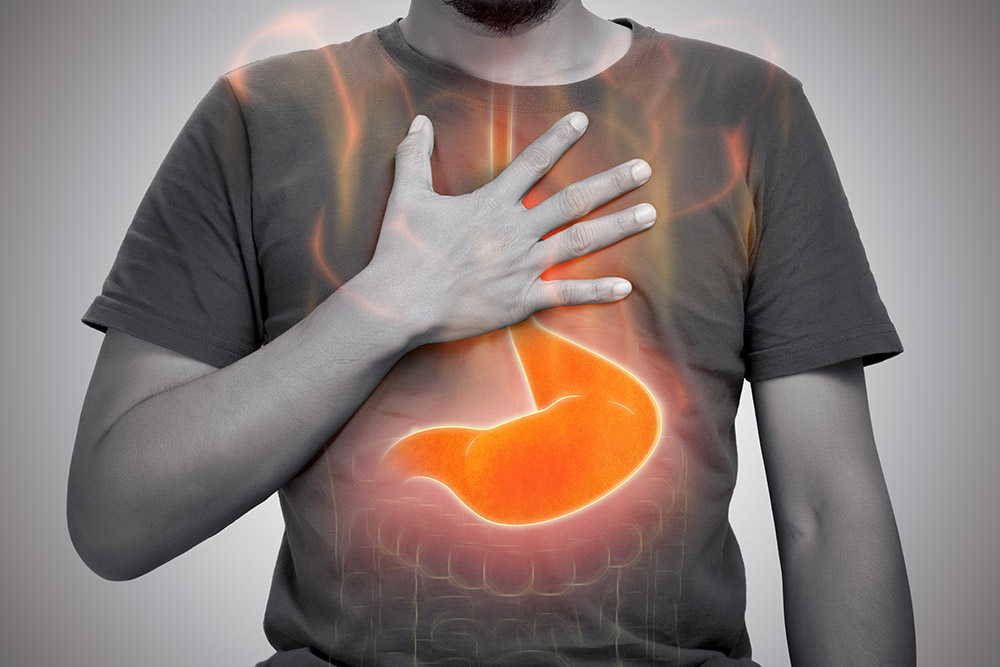








Peptic Ulcer Disease (PUD) happens due to the build-up of acid in your stomach and/or the top few feet (duodenum) of your small intestine, you end up with painful sores. When unattended, such ulcers may bleed and also be accompanied with other complications.
You can come across one or several of the following:
Peptic ulcers can occur due to a number of reasons:
You are ready to relieve the pain of peptic ulcers? Make your appointment with GastroDoxs in Katy. Our qualified gastroenterologists will perform in-office tests, custom therapy, and the supportive services throughout the entire procedure. Wait not- Make your own medicine and get your appointment.
We've successfully treated more than 1.5K patients, helping individuals improve their digestive health and overall well-being through expert, personalized care.
With over 20 years of experience, GastroDoxs has been a trusted provider of gastroenterology care, focusing on delivering the best outcomes for patients

Dr. Bharat Pothuri is a Board-Certified Gastroenterologist and Hepatologist. With extensive experience in digestive health, he specializes in advanced endoscopic procedures, chronic GI disorder management, and preventive care. Dr. Pothuri is dedicated to providing expert, patient-focused insights to help improve gut health and overall well-being.
The diagnosis of peptic ulcers by physicians involves the following approaches such as endoscopy (inspection of your GI tract with a camera), breath tests of H. pylori, blood antibody tests, and stool antigen tests.
The most commonly used code is K25.9 for a gastric ulcer without hemorrhage or perforation. Other codes (K26-K28) specify ulcer location and presence of bleeding or perforation.
Yes. A mild, moderate diet is useful in calming down the stomach lining and ensuring a medication. Using preferred foods that contain lean proteins, non-acidic foods and vegetables, whole grains, and low-fat dairy, and avoiding irritants.
The ulcer itself isn't contagious, but the H. pylori bacterium can spread through close contact, contaminated food, or water, so good hygiene and safe food handling are important.
Most ulcers can be treated with the help of antibiotics (in the presence of H. pylori) and acid-reducing medications and are cured in 4 to 8 weeks, but follow-up testing could be required.
Proton pump inhibitors (PPIs) and H2-receptor blockers are the preferred pain-relieving medications for ulcers. Avoid NSAIDs (like ibuprofen or aspirin) unless your doctor specifically approves them.
Symptom-Relief-Probiotics, teas (no caffeine, chamomile or ginger), small frequent meals may help address the symptoms, but should not be used in place of pharmaceutical therapy.
Stress alone doesn't cause ulcers, but it can increase stomach acid and worsen pain or slow healing. Stress management techniques can aid your overall treatment plan.
Do not consume spicy food, caffeine, liquor, citrus fruit, tomato prepared food, and extremely fatty or fried cuisines, they will frustrate the ulcer area and slow down healing.
Seek medical attention if you experience severe abdominal pain, persistent nausea or vomiting, black or tarry stools, unexplained weight loss, or any signs of bleeding.