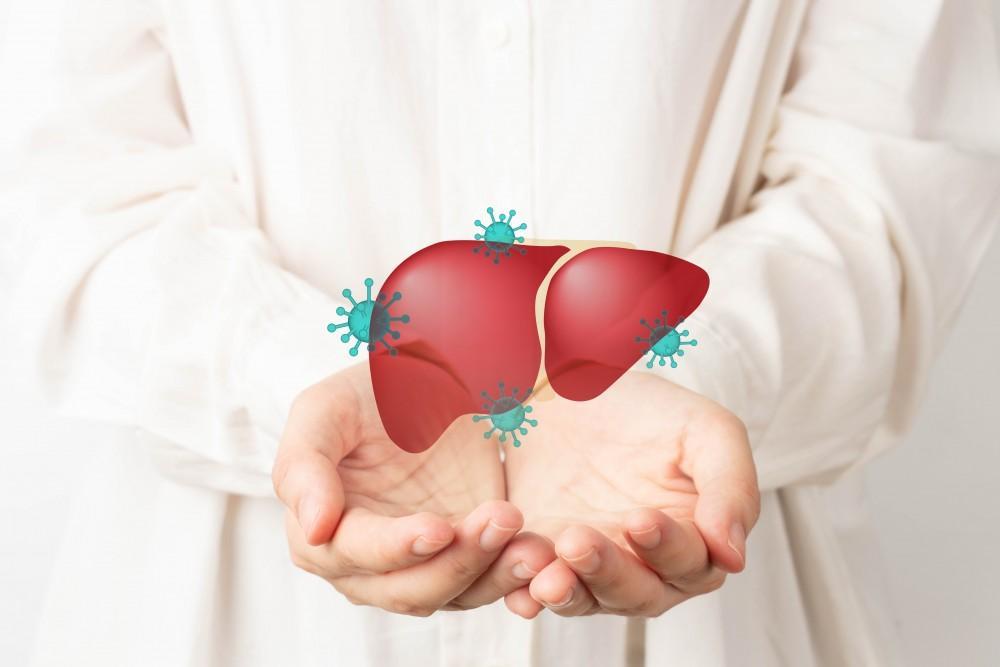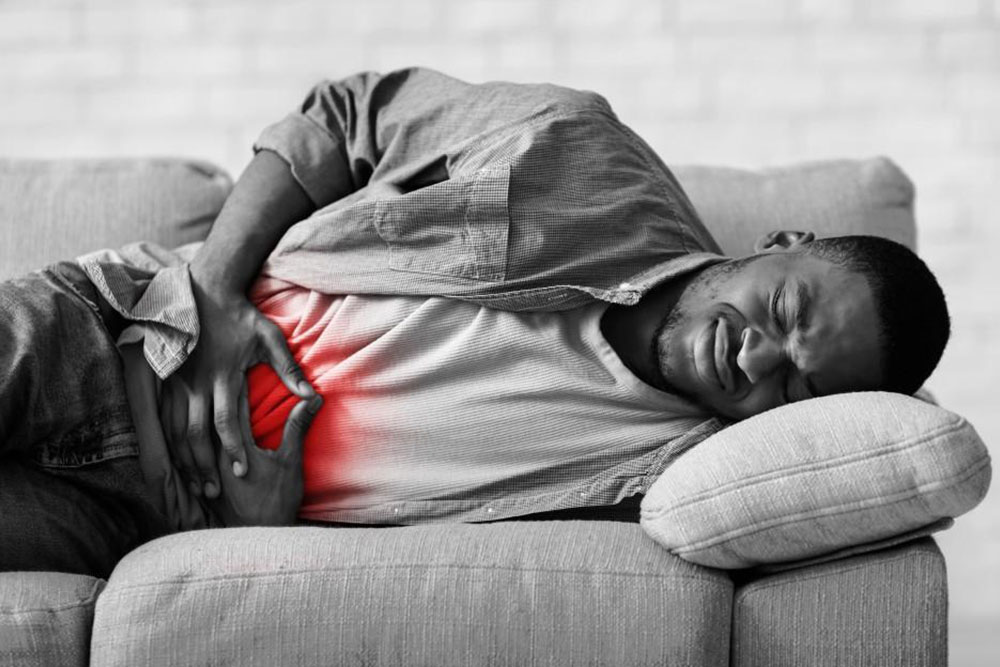








Liver cyst is defined as fluid-filled sac that develops upon or inside liver. Simply series of cysts are also referred to as a hepatic cyst where most of them do not alter the surrounding tissue. They are usually harmless and detected accidentally during examinations such as ultrasound, CT/ MRI.
Small liver cysts often cause no symptoms. When symptoms do occur, they may include:
Liver cysts can arise from several factors:
At GastroDoxs, we have specialized in diagnosing and treatment of liver cysts where the emphasis is placed on on-site imaging (ultrasound, CT, MRI) and individual care plans and a caring approach. We have the top gastroenterologist in Katy who will take you through all of the procedure including watching and waiting until there is affluence, draining, sclerotherapy or surgery. Wait no longer to clarify on your liver. Make your appointment with us today because you are an expert and we are local.
We've successfully treated more than 244 patients, helping individuals improve their digestive health and overall well-being through expert, personalized care.
With over 20 years of experience, GastroDoxs has been a trusted provider of gastroenterology care, focusing on delivering the best outcomes for patients

Dr. Bharat Pothuri is a Board-Certified Gastroenterologist and Hepatologist. With extensive experience in digestive health, he specializes in advanced endoscopic procedures, chronic GI disorder management, and preventive care. Dr. Pothuri is dedicated to providing expert, patient-focused insights to help improve gut health and overall well-being.
In the majority of cases, liver cysts are benign and do not lead to symptoms. Nevertheless, parasitic cysts (e.g., Echinococcus) or large cysts may cause complications and require timely assessment.
The term "hepatic cyst" refers to a fluid-filled structure in the liver tissue, often detected using imaging tests such as ultrasound, CT, or MRI.
Blood tests and imaging studies—ultrasound, CT scan, and MRI—are performed to evaluate the size, type (simple, parasitic, etc.), and characteristics of the cyst.
The ICD-10 code for a non-parasitic liver cyst is K76.89.
Small simple cysts usually do not cause pain. Larger cysts can stretch the liver capsule or press on nearby organs, potentially causing localized ache, bloating, or fullness.
Liver cysts may result from developmental anomalies of the bile ducts, parasitic infections (e.g., Echinococcus), liver trauma, or genetic conditions such as polycystic liver disease. Often, the exact cause is unknown.
Most simple hepatic cysts do not need treatment and are monitored with periodic imaging. Intervention (drainage, sclerotherapy, or surgery) is considered for cysts that enlarge, become symptomatic, or develop complications.
Simple liver cysts occur in up to 5% of adults over age 50. Most are incidentally detected during imaging for other reasons and remain asymptomatic.
Treatment options include:
Consult a gastroenterologist if you experience persistent right-upper quadrant discomfort, bloating, enlargement, or suspicious appearances of the cyst on follow-up imaging. Timely evaluation ensures proper management and peace of mind.