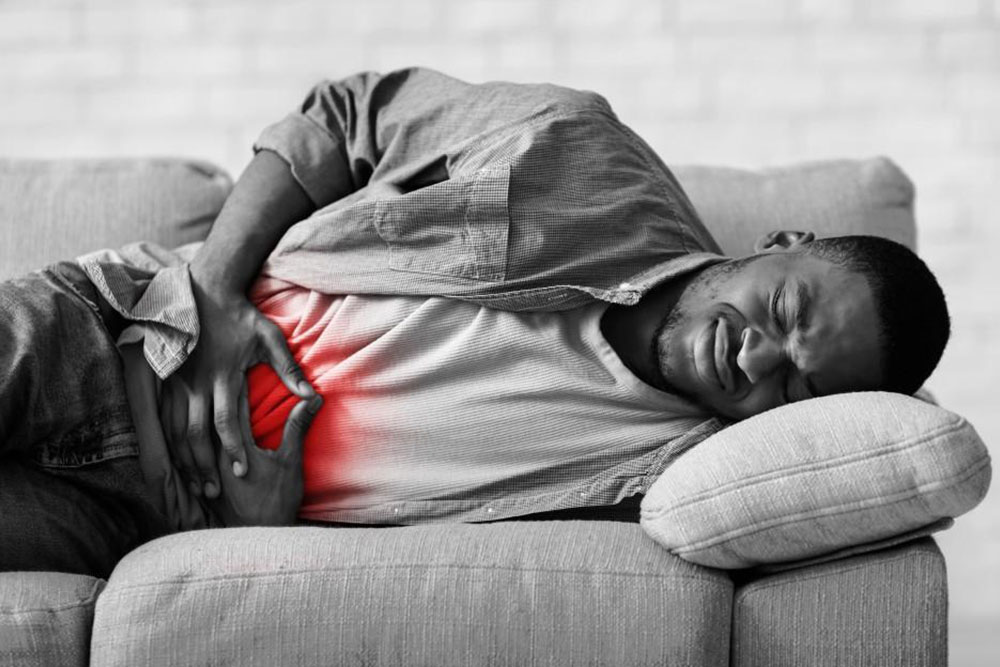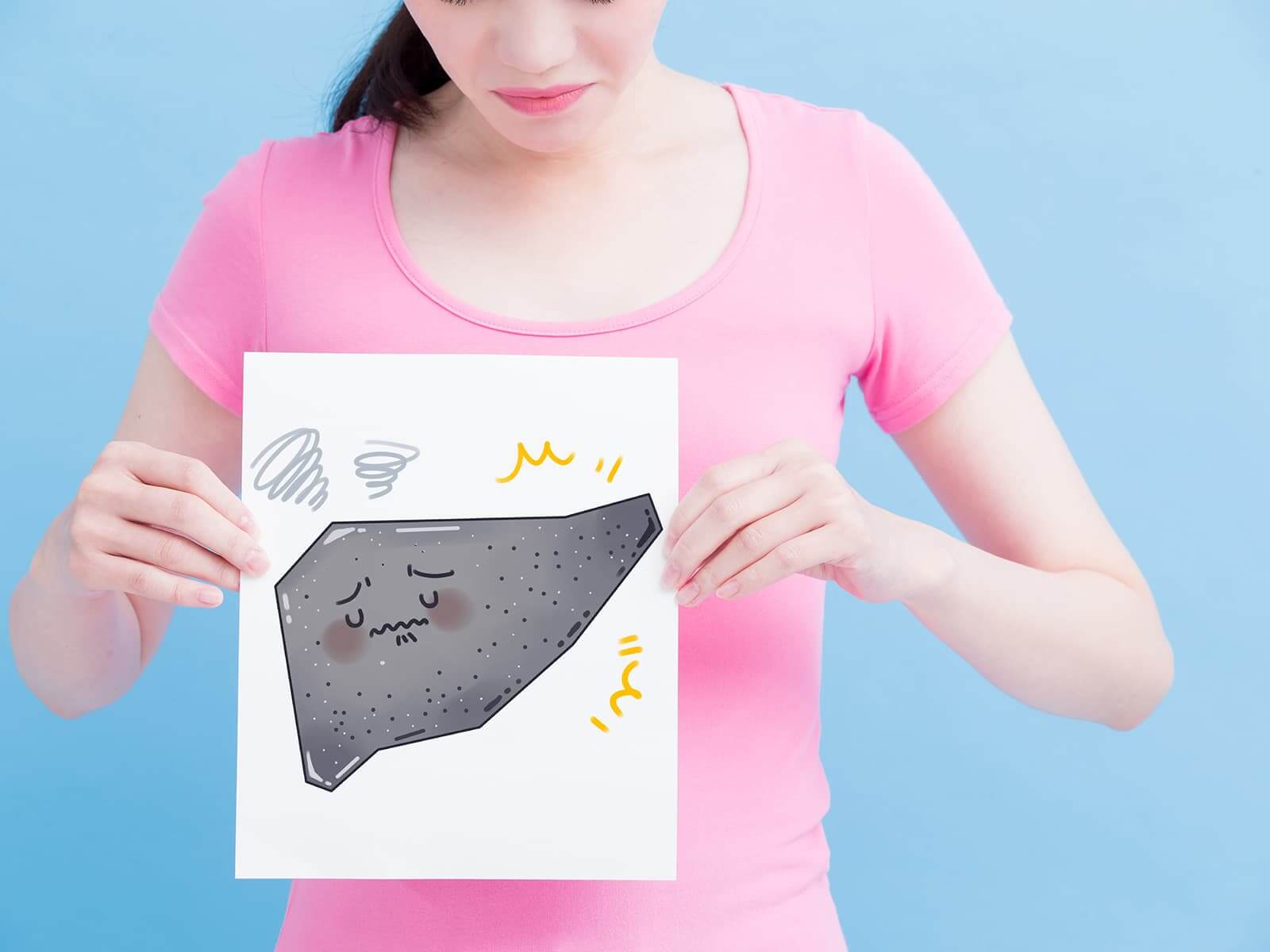








Hepatic encephalopathy is a brain disorder, i.e., the failure of liver to remove toxins in the blood particularly ammonia. Such toxins accumulate, enter into the brain and lead to impairment of mental activity. The disorder may be mild in the sense of simple confusion but in severe cases, it leads to deep coma, though prior diagnosis and treatment can in most cases revert the effects of the condition.
Symptoms vary by stage but often include:
Hepatic encephalopathy usually arises from advanced liver disease and is often triggered by:
GastroDoxs is a hepatic encephalopathy patient-centered practice based on best practices in Katy. Our group is associated with unambiguous explanations, personalized treatment programs, evidence-based therapies, such as lactulose and rifaximin, and customized nutrition instructions. We will be next to you throughout the process, with accurate diagnosis coding, continuous progress monitoring, and so on. Don't get confused or tired: make your appointment today and change the state of your liver.
We've successfully treated more than 322 patients, helping individuals improve their digestive health and overall well-being through expert, personalized care.
With over 20 years of experience, GastroDoxs has been a trusted provider of gastroenterology care, focusing on delivering the best outcomes for patients

Dr. Bharat Pothuri is a Board-Certified Gastroenterologist and Hepatologist. With extensive experience in digestive health, he specializes in advanced endoscopic procedures, chronic GI disorder management, and preventive care. Dr. Pothuri is dedicated to providing expert, patient-focused insights to help improve gut health and overall well-being.
The ICD-10 codes for hepatic encephalopathy are K72.90 for cases without coma and K72.91 for cases with coma. These codes help ensure accurate medical billing and tracking.
Yes, hepatic encephalopathy can often be corrected or resolved with early diagnosis and proper medical treatment of the underlying liver disease.
Toxins such as ammonia accumulate in the bloodstream when the liver fails to filter them properly, leading to confusion and impaired brain function.
It may be managed at home under a doctor’s supervision with prescribed medications, a liver-friendly diet, and close monitoring of symptoms.
The most common prescriptions include lactulose and rifaximin. Lactulose helps eliminate toxins through the stool, while rifaximin reduces harmful gut bacteria.
Stage 4 is the most severe form, characterized by deep coma and a high risk of life-threatening complications, requiring immediate medical attention.
Yes. A balanced diet with moderate protein intake and liver-safe nutritional supplements can help reduce toxin production and support liver function.
When the liver cannot effectively filter toxins from the blood, these substances accumulate and affect the brain, leading to cognitive and neurological dysfunctions.
Yes. Infections such as urinary tract infections or pneumonia can trigger or worsen hepatic encephalopathy by increasing toxin production and inflammation.
Treatment should begin under the guidance of a liver specialist, such as GastroDoxs in Katy, who can diagnose, design an individualized treatment plan, and oversee ongoing care.