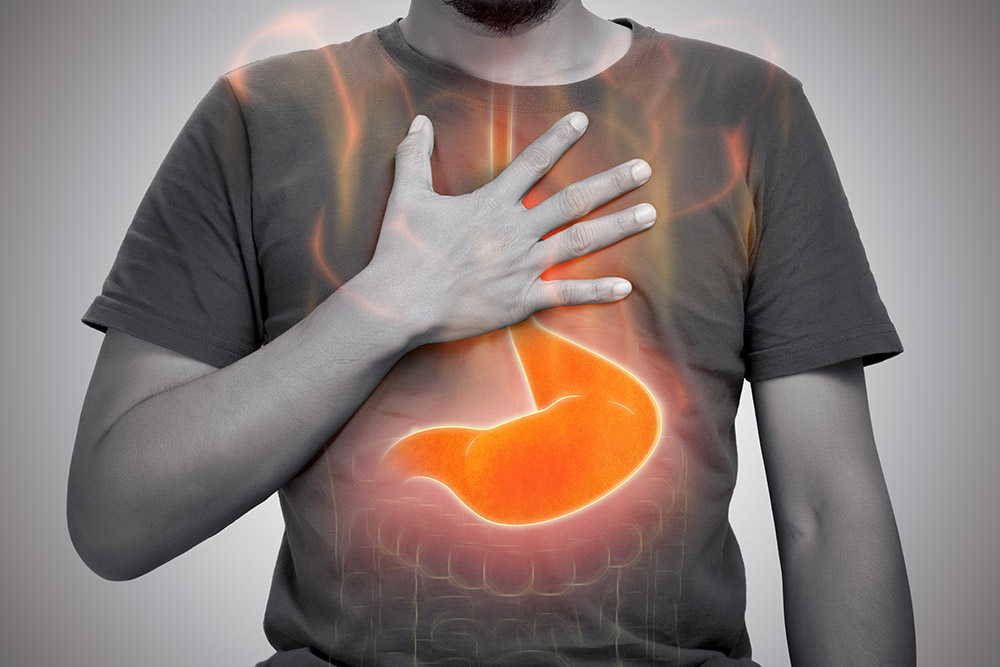








Gastric polyps are minute growths occurring on the stomach wall. They come up frequently in the course of normal routine upper endoscopy. Although the majority of gastric polyps are non-invasive and cannot pose significant issues, there are some that can be associated with the risk of bleeding, or transform into a more severe condition when left not treated.
A high number of gastric polyp survivors do not exhibit any symptoms. Nonetheless, in the case of the manifestation of the symptoms they might be:
There are various underlying factors that cause gastric polyps, and they include:
The gastroenterology specialists at our hospital in Houston provide high-level endoscopic technology with patient-centered service and care to detect and remove gastric polyps. Don’t hinder- visit us today to make a booking and we will develop a customized treatment program to ensure that your digestive system is on track.
We've successfully treated more than 2.1K patients, helping individuals improve their digestive health and overall well-being through expert, personalized care.
With over 20 years of experience, GastroDoxs has been a trusted provider of gastroenterology care, focusing on delivering the best outcomes for patients

Dr. Bharat Pothuri is a Board-Certified Gastroenterologist and Hepatologist. With extensive experience in digestive health, he specializes in advanced endoscopic procedures, chronic GI disorder management, and preventive care. Dr. Pothuri is dedicated to providing expert, patient-focused insights to help improve gut health and overall well-being.
Gastric polyps are tiny warts that are located on the mucous of the stomach. The majority of them are harmless with others developing into cancer when untreated.
In most instances, gastric polyps are detected by chance during a normal upper endoscopy examination and occurrence is observed in 2 to 5 in all screening of endoscopies.
The ICD-10 code of gastric polyps is K31.8 and it still falls under the category of other specified diseases of stomach and duodenum.
The majority of gastrointestinal polyps are benign. Adenomatous polyp is however small and has the possibility of turning out to be malignant and should be monitored or removed on recommendation.
Diagnosis is usually achieved through an upper endoscopy where the stomach lining is squarely seen and biopsied in case of any obvious polyps.
Yes. Inflammatory polyps are associated with chronic infection with H. pylori and eradication therapy is relevant to prevent their development.
The size, number and type of polyps allow treatment depending on them. They include observation, endoscopic resection, the H. pylori antibiotic therapy or changing the medication accordingly.
Yes. Prevention measures involve the prevention of longer use of unnecessary proton pump inhibitors, smoking cessation, balanced diet strategy, as well as timely treatment of H. pylori infections.
The rate of follow-ups is dependent on the size, type and pathology of the polyp. A special plan of monitoring will be developed by your gastroenterologist.
GastroDoxs in Houston has been offering a high-quality diagnosis and treatment of gastrointestinal gastric polyps through highly qualified board-registered gastroenterologists and with the help of the most recent endoscopic equipment.