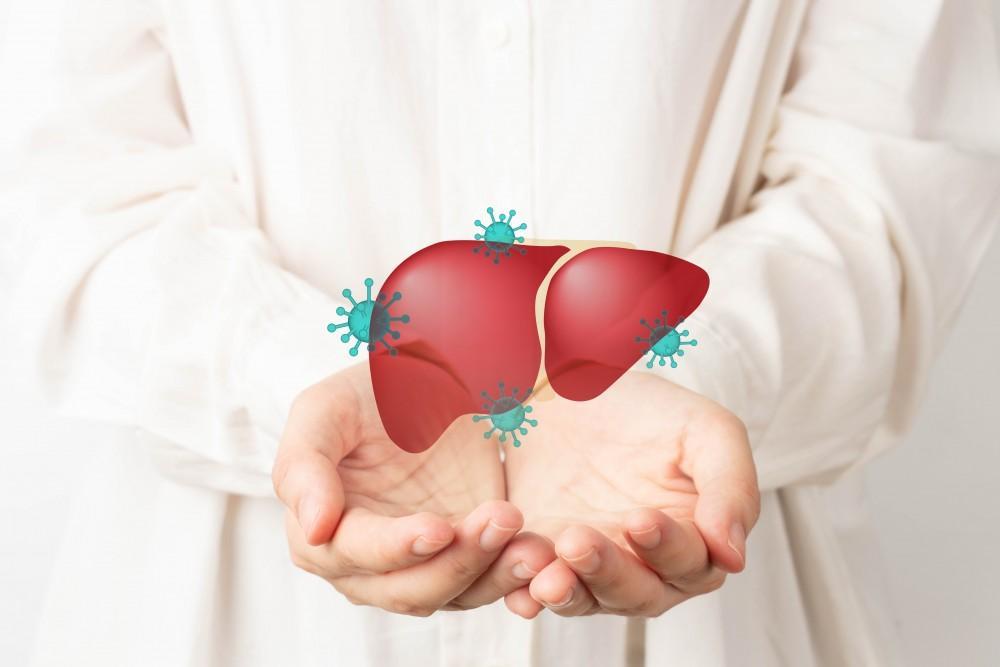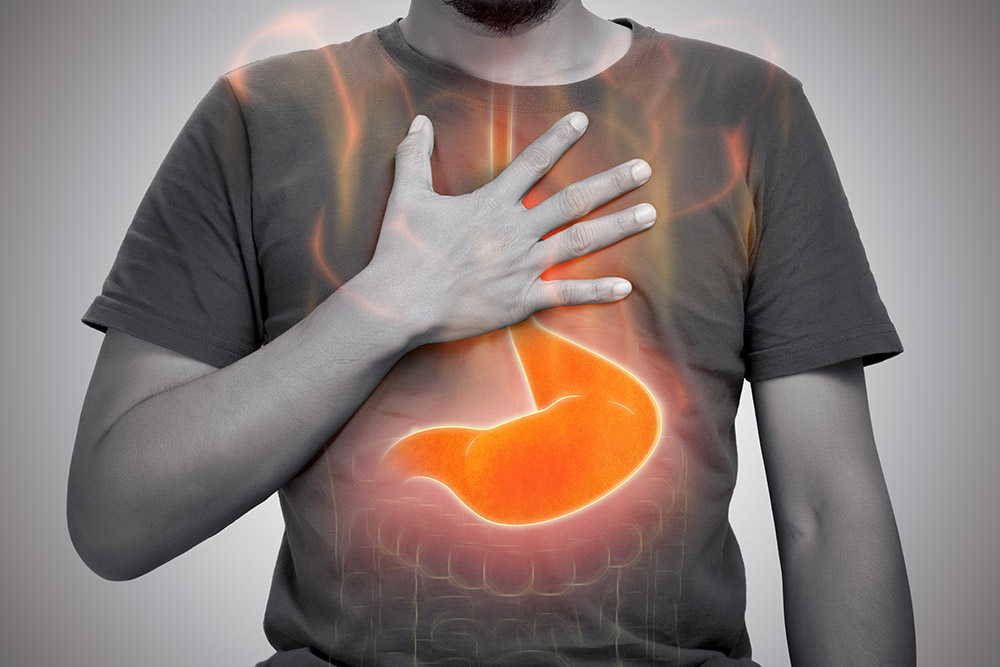








Gastric lymphoma is a unique, rare form of cancer, which starts in immune cells in the stomach lining as opposed to the gland cells. It cannot be diagnosed and treated in the same manner as the everyday stomach cancers. Gastric lymphoma is classified under the C85.0–C85.9 subgroups of ICD-10 codes depending on the stage and subtype of the disease. Timely treatment can be a beneficial factor in enhancing success.
Gastric lymphoma can have few or no symptoms in its initial phases. In the advanced stages of the disease, you may have:
Even though it is not always clear how gastric lymphoma is developed, there are a number of factors that have been attributed to its occurrence:
You require special treatment and a proper direction in the case of gastric lymphoma. Our board-certified gastroenterologist and caring care team will develop a tailored treatment regimen at GastroDoxs in Houston, and that will be tailored to your needs. Continue not to wait but make your appointment and allow us to help you step by step on the path towards better health and permanent calmness of mind.
We've successfully treated more than 1K patients, helping individuals improve their digestive health and overall well-being through expert, personalized care.
With over 20 years of experience, GastroDoxs has been a trusted provider of gastroenterology care, focusing on delivering the best outcomes for patients

Dr. Bharat Pothuri is a Board-Certified Gastroenterologist and Hepatologist. With extensive experience in digestive health, he specializes in advanced endoscopic procedures, chronic GI disorder management, and preventive care. Dr. Pothuri is dedicated to providing expert, patient-focused insights to help improve gut health and overall well-being.
The gastric lymphoma comes under the ICD 10 lines C85.0 to C85.9, based on the type of lymphoma and the location of the stomach that has been impacted.
Gastric lymphoma is a very uncommon type of gastric cancer and it occurs about 5 per cent in the US.
Gastric lymphoma has a 5-year survival rate that is above 80 percent when it is detected at an early stage. Nevertheless, the chances of survival over the long period are low due to late diagnosis or advanced-stage diagnosis.
Helicobacter pylori has a chronic infection that leads to a long-term inflammation of the stomach lining which may change the local lymphocytes and raise the chances to develop gastric lymphoma.
Diagnosis is commonly achieved on the basis of endoscopy of the stomach with biopsy of the stomach which is usually supported by blood tests, imaging tests such as CT, PET, etc. to determine the spread of the disease and also the general wellbeing.
Yes. Eating well, having frequent medical checkups, avoiding tobacco and early treatment of H. pylori infection would go a long way in ensuring that your risk is lowered.
Relapse is possible. Follow-ups and regular surveys of the endoscopies are important to ensure that any recurrence is detected at an early stage and the symptoms dealt with.
Chemotherapy can result in fatigue, nausea, loss of blood cells or loss of hair. Majority of the side effects are provisional and are effectively managed through supportive care.
Part of the insurance plans continues to demand the use of primary care referral, and some do not. Your requirements on your plan should be verified with your insurer or our office.
In case of ongoing stomach pains, bloating, weight loss without apparent reason, gastric lymphoma diagnosis or if you are sure that you have the mentioned health problem, call GastroDoxs right now and have a timely check-up and specific treatment.