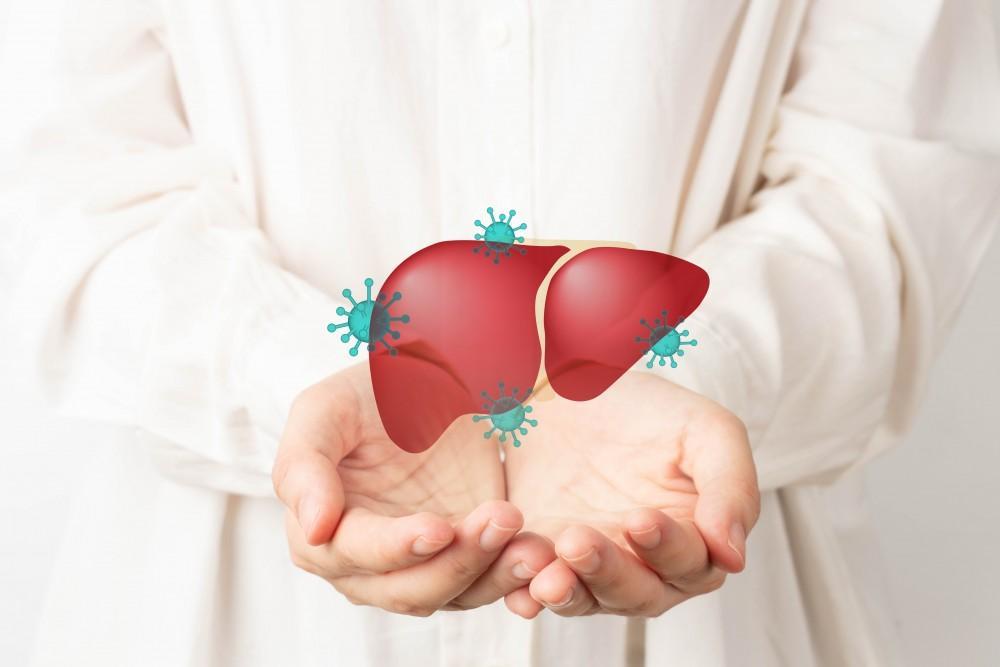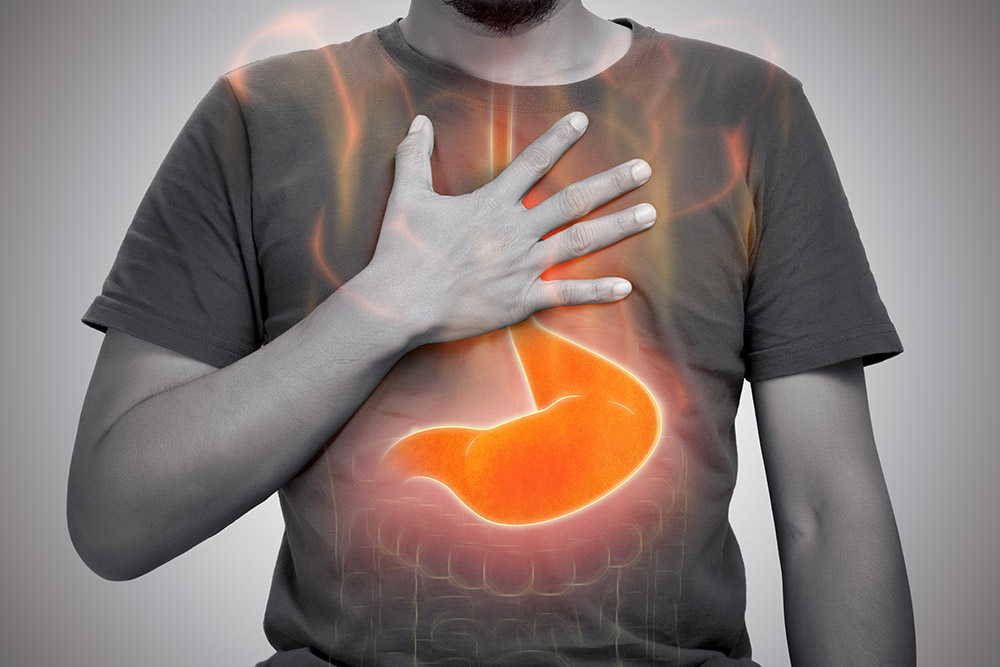








Eosinophilic gastritis is a low-frequency inflammatory disorder, when eosinophils (type of white blood cell) are present in the stomach in abnormally large amounts. The result of this immune-based reaction is swelling, pain and poor digestion. It may be developed at any age and it is frequently combined with other allergic and eosinophilic diseases.
Symptoms can range from mild to severe and often worsen after eating. Common signs include:
While the exact trigger is not fully understood, several factors appear to play a role:
In case of chronic gastric pain or when you have a suspicion of eosinophilic gastritis, our GastroDoxs team in Katy will take care of you. We will work out an individual program of treatment and help you through the process. You can call GastroDoxs in Katy at 832-476-1649 or simply add a reservation at the moment and be on the way to feeling better.
We've successfully treated more than 1.5K patients, helping individuals improve their digestive health and overall well-being through expert, personalized care.
With over 20 years of experience, GastroDoxs has been a trusted provider of gastroenterology care, focusing on delivering the best outcomes for patients

Dr. Bharat Pothuri is a Board-Certified Gastroenterologist and Hepatologist. With extensive experience in digestive health, he specializes in advanced endoscopic procedures, chronic GI disorder management, and preventive care. Dr. Pothuri is dedicated to providing expert, patient-focused insights to help improve gut health and overall well-being.
The initial step in treatment is an elimination diet to identify and avoid possible trigger foods. If symptoms persist despite dietary changes, your doctor may prescribe medications like corticosteroids to reduce inflammation.
Eosinophilic gastritis is an immune-mediated response with increased eosinophils in the stomach wall, whereas infections are caused by bacteria, viruses, or other pathogens.
Combining dietary changes with anti-inflammatory medications is usually the most effective approach, helping to reduce inflammation and improve digestion.
Chronic inflammation from eosinophils can damage the stomach lining, potentially leading to ulcers or other tissue injuries if untreated.
Elevated eosinophils occur specifically in eosinophilic gastrointestinal diseases and are not common in typical stomach issues like infectious gastritis or acid reflux.
Common triggers include dairy, wheat, soy, eggs, and nuts. Under a physician’s or dietitian’s guidance, these foods may be eliminated and gradually reintroduced to identify offenders.
An endoscopy and biopsy are necessary to confirm the diagnosis and determine eosinophil levels in the stomach tissue.
Consult a gastroenterologist if you experience persistent abdominal pain, nausea or vomiting, unexplained weight loss, or early satiety after meals.
Many patients notice improvements within several weeks of starting dietary modifications and medication, though the timeframe varies depending on inflammation severity and response to therapy.
Eosinophilic gastritis can affect individuals of all ages, including infants and children. Early detection and management are crucial to prevent complications.