







However, what is Diverticulosis of the Colon? Diverticulosis is the condition by which small canals and bulges (called diverticulates, plural of divertibulum) chance upon the wall on the inside of your colon, predominantly on the sigmoid colon. Such pouches themselves may not be painful and uncomfortable, but being in communication with a gastroenterologist in Katy can make you realise that something goes wrong at the earliest and keep your digestive system in good shape.
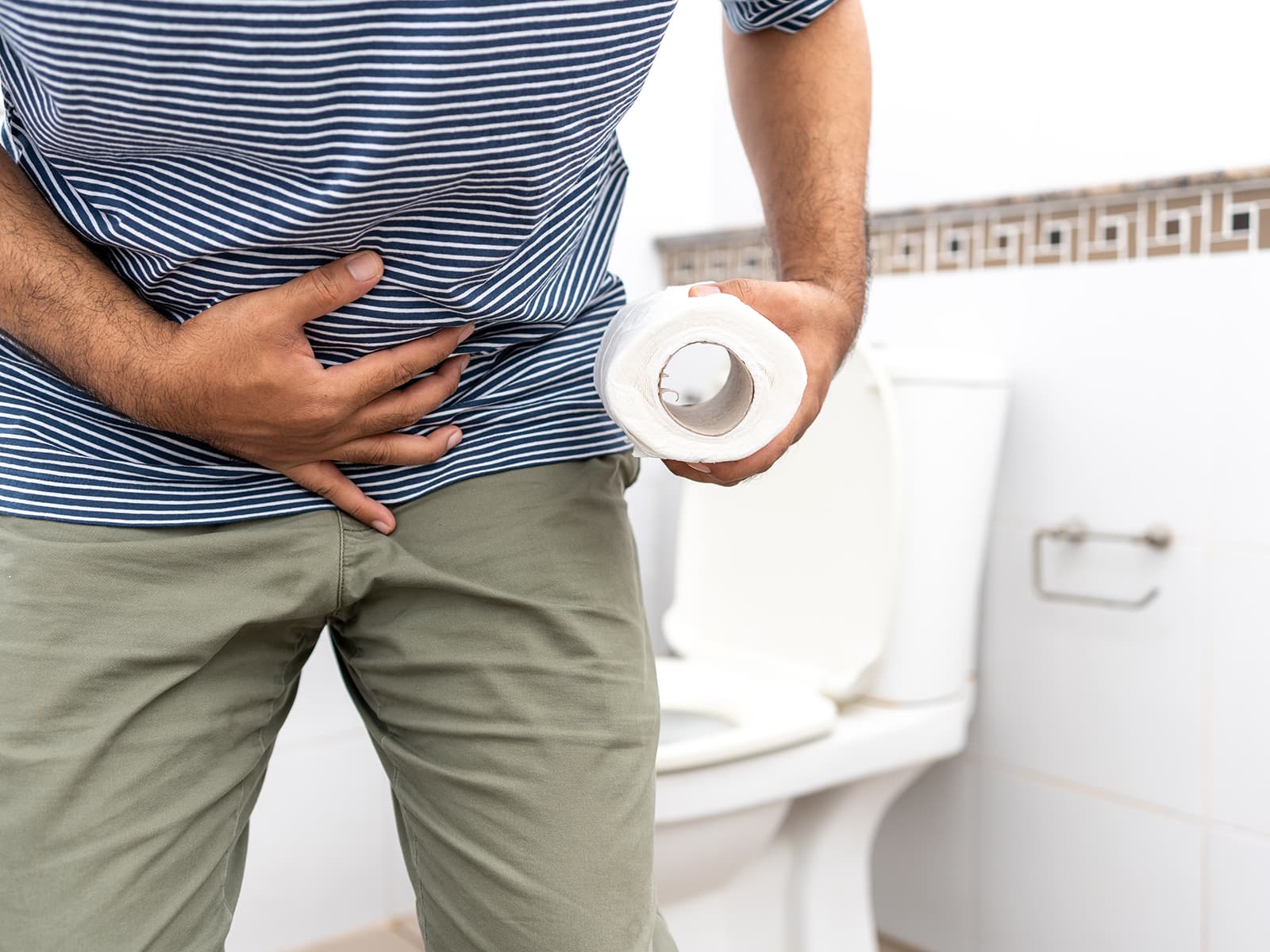
Most people with diverticulosis don't experience symptoms. When they do occur, you may notice:
Several factors can contribute to the development of diverticulosis:
Doesn't give it a second thought before you control your digestive health. We have specialists at GastroDoxs in Katy who will offer customized care to the cases of diverticulosis of the colon. To receive your consultation, you should call us right now 832-476-1649 or make an appointment through the internet. We will be excited to enable you to get both a long-term relief and healthier gut.
We've successfully treated more than 19.8K patients, helping individuals improve their digestive health and overall well-being through expert, personalized care.
With over 20 years of experience, GastroDoxs has been a trusted provider of gastroenterology care, focusing on delivering the best outcomes for patients

Dr. Bharat Pothuri is a Board-Certified Gastroenterologist and Hepatologist. With extensive experience in digestive health, he specializes in advanced endoscopic procedures, chronic GI disorder management, and preventive care. Dr. Pothuri is dedicated to providing expert, patient-focused insights to help improve gut health and overall well-being.
ICD-10-CM K57.30 applies to cases of sigmoid colon diverticulosis, without any infection or inflammation.
A colonoscopy or CT scan is normally effective in diagnosing diverticulosis and helping your doctor identify the presence of diverticula and exclude complications.
A high-fiber diet and fluid supplementation can help many mild cases manage symptoms and reduce pressure in the colon.
Monitor for emerging or persistent abdominal pain, fever, blood in the stool, or significant changes in bowel habits, and consult a doctor if these occur.
If the diverticula become infected or inflamed, diverticulitis can develop, which requires immediate medical attention.
Regular exercise supports healthy bowel movements, reduces pressure on the colon, and lowers the risk of diverticulosis-related complications.
Gradually adding 20-35 g of fiber daily can soften stools and ease bowel movements, though gradual increases are important to minimize gas and bloating.
Follow-up schedules vary based on medical history and symptoms. A gastroenterologist in Katy GI will recommend the optimal monitoring plan.
Light occasional bleeding may resolve on its own. However, excessive, persistent, or recurrent bleeding requires immediate medical evaluation and treatment.
Stress does not cause diverticulosis but may worsen abdominal discomfort. Symptoms can be improved with stress-management techniques, regular meals, and adequate sleep.