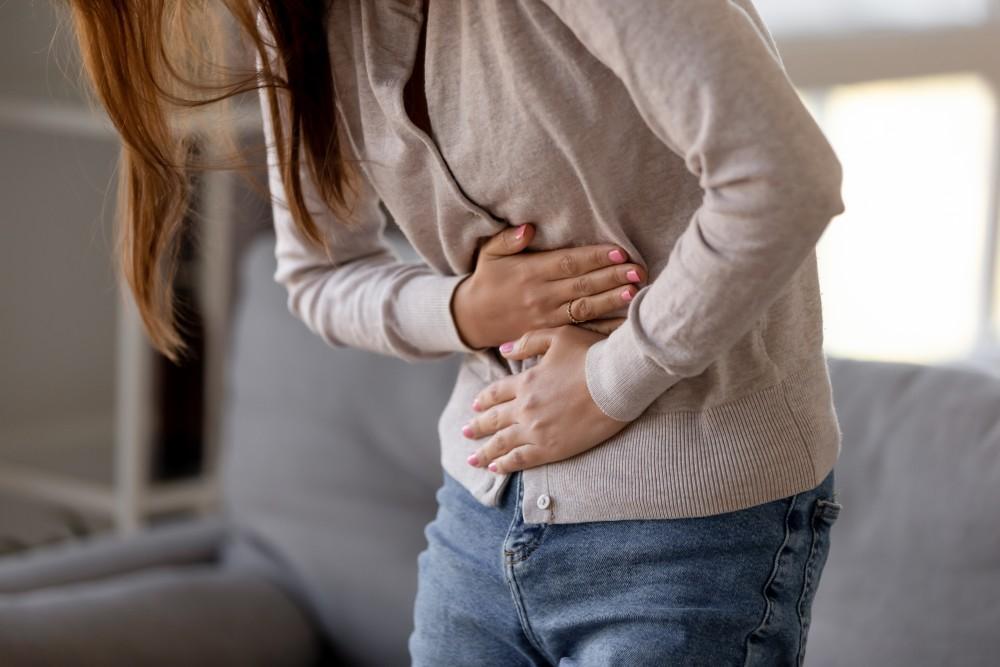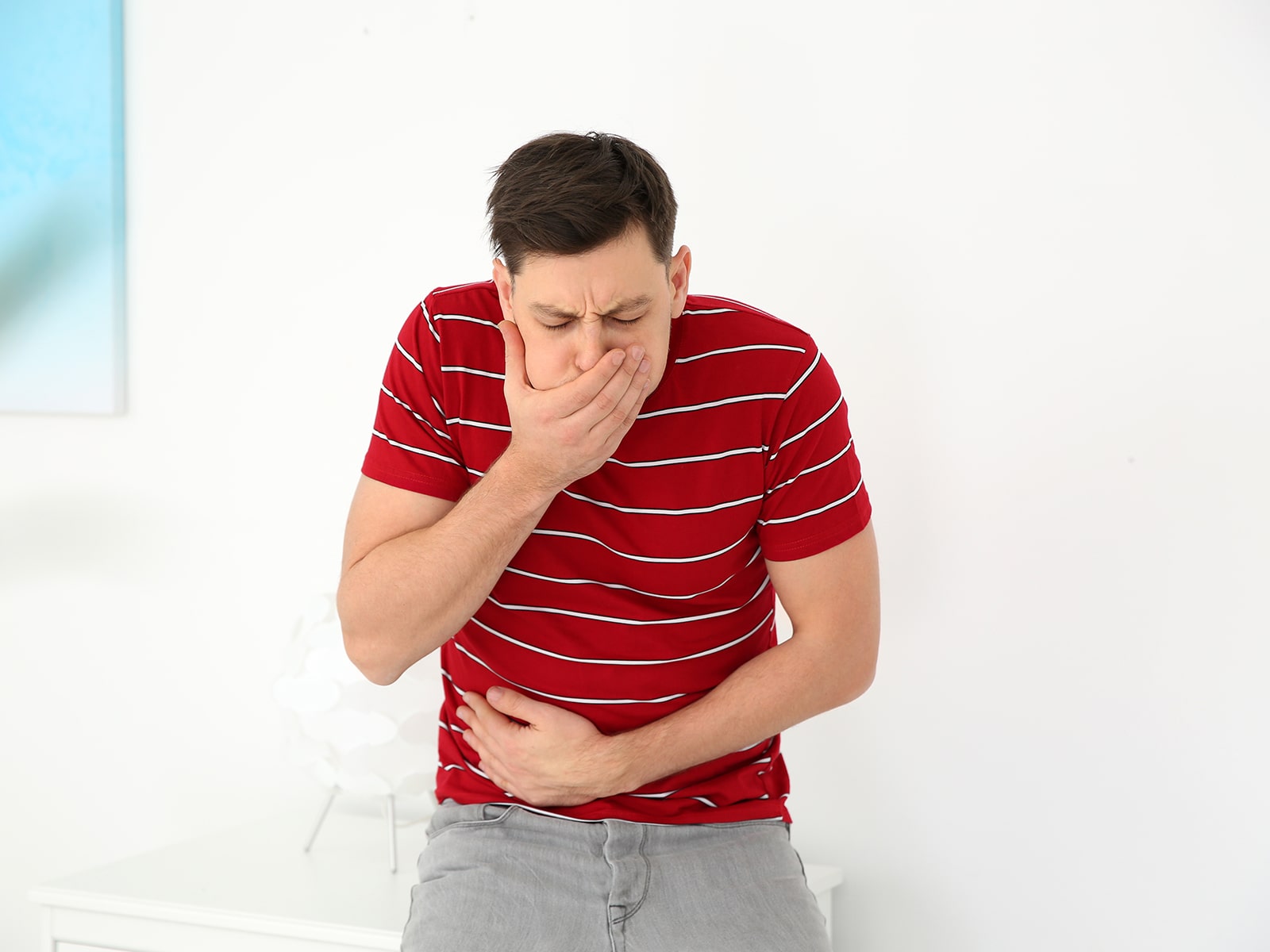








Stomach and duodenum diseases in the upper region of your digestive system. There is the stomach in which food is broken down and the duodenum is the first part of a small intestine. Once one organ or another gets irritated or harmed, one might feel pain, nausea, or other problems related to the digestive system. Ordinary diseases involve stomach ulcers, duodenal ulcers, gastritis (inflammation of the stomach lining) and duodenitis (inflammation of the duodenal lining).
You may notice one or more of the following signs if your stomach or duodenum is affected:
Several factors can lead to stomach and duodenal diseases:
Stomach and duodenum diseases treatment in Katy, TX. Drugs, surgeries, and lifestyle modifications are used as treatment:
Waiting to solve your stomach or duodenal issues. The GastroDoxs team in Katy is the place to receive a professional analysis and complex diagnostics and a bespoke treatment program that ensures your comfort and allows you to live normally. Watch us and make your reservation now 832-476-1649 or book online now to make your visit. Allow us to bring you back to the feeling of your best.
We've successfully treated more than 11.5K patients, helping individuals improve their digestive health and overall well-being through expert, personalized care.
With over 20 years of experience, GastroDoxs has been a trusted provider of gastroenterology care, focusing on delivering the best outcomes for patients

Dr. Bharat Pothuri is a Board-Certified Gastroenterologist and Hepatologist. With extensive experience in digestive health, he specializes in advanced endoscopic procedures, chronic GI disorder management, and preventive care. Dr. Pothuri is dedicated to providing expert, patient-focused insights to help improve gut health and overall well-being.
K31.8 is the ICD-10 code of other specified diseases of the stomach and duodenum.
Unspecified disease is a condition which requires further diagnostic tests including endoscopy to identify the specific disease.
Stomach ulcers (gastric ulcers) develop in the lining of the stomach and duodenal ulcers arise in the first segment of the small bowel (duodenum).
ICD-9 codes are a more outdated system of medical classification codes, which were in place prior to 2015 and have now been replaced by the expanded ICD-10 system.
Stress is not a direct cause of stomach or duodenal diseases, yet it may exacerbate symptoms like pain, indigestion, and nausea.
To minimize your chance of duodenitis, consume smaller and more frequent meals, reduce alcohol intake, quit smoking, and take painkillers occasionally or under the direction of a doctor.
With an appropriate mix of medication and dietary changes, many patients start feeling better within a few days to a week.
Yes. Our office offers safe and minimally invasive endoscopy to diagnose and occasionally treat stomach and duodenal diseases.
Yes. Untreated ulcers may result in bleeding, perforation, or scarring, potentially requiring emergency treatment or surgery.
You may view our informational PDF or PowerPoint during your visit, or we can email it to you.