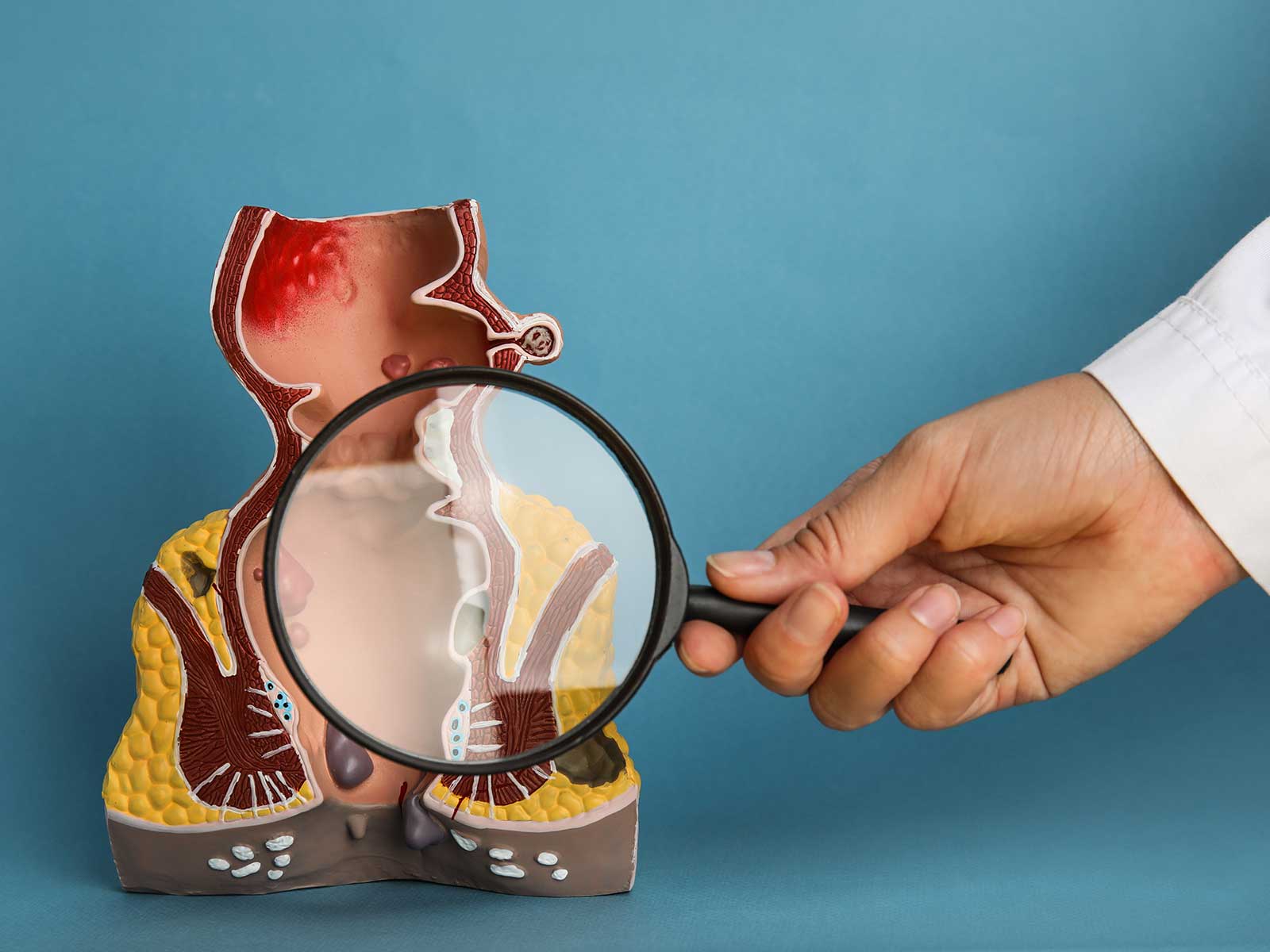








Anus and dissenturing rectum diseases What Are Diseases of the Anus and Rectum? Anorectal diseases refer to the diseases of the very tip of your digestive tract. They consist of such typical conditions as hemorrhoids, anal fissure, rectal polyps and abscesses. With the help of a gastroenterologist, early diagnosis can be made to alleviate the state and prevent the development of complications.
These conditions often present with one or more of the following signs:
A variety of factors can contribute to anal and rectal disorders:
Focusing on patient-oriented care and multidisciplinary anorectal health services, GastroDoxs has been located as the provider of professional diagnostics and effective treatment of hemorrhoids, fissure, polyps, abscess and other anorectal diseases. Our attentive, human-centered model will make sure that you are given the most compassionate and yet sophisticated care, that is, dietary advice and minimal invasive interventions, or surgical intervention when required. Stop letting uncomfortable feelings become your excuse and make your appointment today with our expert professionals at Katy and make the first step towards long-term relief and better quality of life.
We've successfully treated more than 1.5K patients, helping individuals improve their digestive health and overall well-being through expert, personalized care.
With over 20 years of experience, GastroDoxs has been a trusted provider of gastroenterology care, focusing on delivering the best outcomes for patients

Dr. Bharat Pothuri is a Board-Certified Gastroenterologist and Hepatologist. With extensive experience in digestive health, he specializes in advanced endoscopic procedures, chronic GI disorder management, and preventive care. Dr. Pothuri is dedicated to providing expert, patient-focused insights to help improve gut health and overall well-being.
When you have ongoing bleeding, excruciating pain, swelling, or any other symptom that fails to resolve even after resting a few days at home, one must schedule a visit with a specialist.
Mild hemorrhoids usually disappear with changes in diet, fluid intake, and local treatment. But if they persist in hurting, bleeding, or prolapsing, consult a doctor regarding possible in-office surgeries.
Many polyps are benign, but some may be precancerous. Screening and polyp removal can prevent progression to colorectal cancer.
Yes. Fissures may cause a sharp, burning sensation during and immediately after bowel movements and may have slight bleeding.
Initial treatments include a high-fiber diet, increased fluids, sitz baths, topical creams or suppositories, and minimal-intervention office procedures such as banding.
Recovery is usually noticed within 1–2 weeks; most patients return to normal during this period with follow-up checks to monitor healing progress.
Sometimes it may be caused by irritation or hygiene problems. Continuous or progressive itching (pruritus ani) should prompt evaluation for other underlying causes.
Yes. Children may have fissures, infections, or abscesses. Pediatric assessment ensures proper diagnosis and age-appropriate treatment.
For average-risk adults, screening starts at age 45 and is repeated every 10 years. Individuals with personal or family risk factors may need earlier and more frequent examinations.
Yes. The Katy clinic has openings for same-day visits, ensuring timely care when needed most.