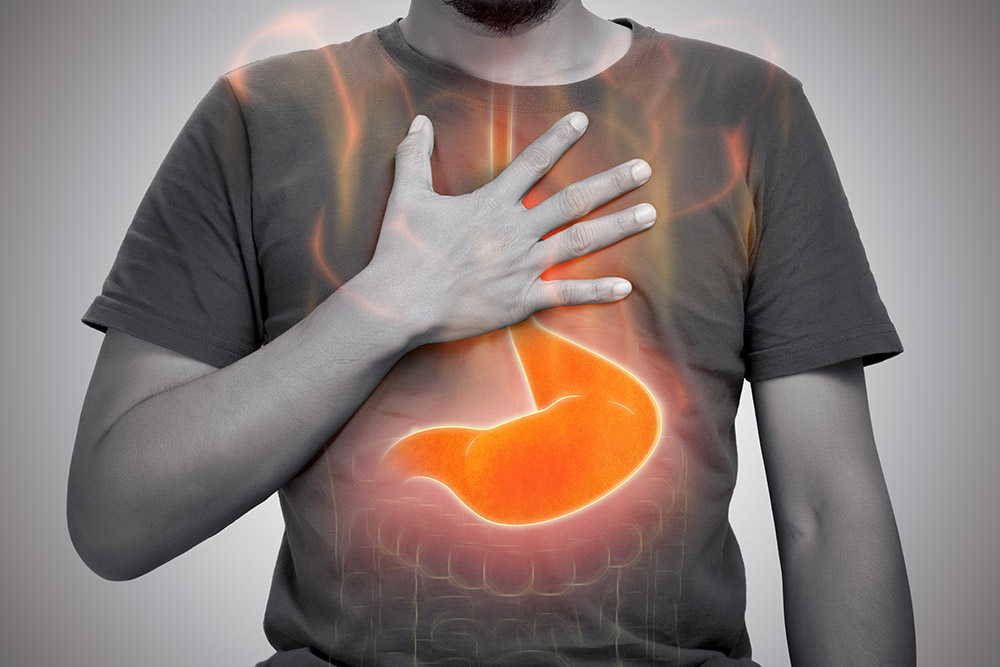
The Reflux Esophagitis is a condition that arises when the stomach acid constantly re-refluxes into the esophagus (food pipe), burning and swelling the lining of the esophagus. With no treated this may cause complications like the Barrett esophagus or higher chances of esophageal cancer.
People with reflux esophagitis may experience:
Several factors can contribute to reflux esophagitis:
Our patient-centered practice in GastroDoxs, Jersey Village includes the combination of fast and accurate diagnostics and reflux esophagitis recovery(lifestyle coaching and medications) up to the most intricate endoscopic and surgical solutions. Your long-term relief and better quality of life is our high priority, and our professional, well-trained staff is committed to it. Call us today at 832-632-4070 or book online to start your personalized care plan.
We've successfully treated more than 48K patients, helping individuals improve their digestive health and overall well-being through expert, personalized care.
With over 20 years of experience, GastroDoxs has been a trusted provider of gastroenterology care, focusing on delivering the best outcomes for patients
Dr. Bharat Pothuri is a Board-Certified Gastroenterologist and Hepatologist. With extensive experience in digestive health, he specializes in advanced endoscopic procedures, chronic GI disorder management, and preventive care. Dr. Pothuri is dedicated to providing expert, patient-focused insights to help improve gut health and overall well-being.
Not exactly. GERD (gastroesophageal reflux disease) is the chronic backward flow of stomach acid, and reflux esophagitis, in particular, is inflammation or damage of the esophagus caused by stomach acid.
Yes. Continued exposure to acid may lead to Barrett’s esophagus, where the lining is altered, increasing the risk of developing esophageal cancer unless treated early.
Your physician can examine the esophagus using an upper endoscopy, check acid levels with 24-hour pH monitoring, and occasionally test muscle strength with esophageal manometry.
K21.0 is used for cases with visible inflammation or erosive injury, whereas K21.9 applies to reflux symptoms without endoscopic lesions.
Yes. Many cases respond well to lifestyle changes such as weight loss, dietary adjustments, elevating the bed during sleep, and avoiding triggers like late meals or certain foods.
Choose low-fat foods without spices, and avoid acidic items. Suitable options include lean proteins, whole grains, root vegetables, and non-acidic fruits like bananas and melons, which are less likely to irritate the esophagus.
Abnormal muscle contractions or spasms in the esophagus can occur due to acid irritation, causing chest pain or difficulty swallowing.
Surgery, such as fundoplication or the LINX procedure, is recommended when lifestyle changes and medications fail to control severe reflux or if complications like strictures develop.
Antacids can relieve symptoms within minutes. H2 blockers take about 30–60 minutes to work, while proton pump inhibitors (PPIs) have a slower onset of 1–4 days, with full healing potentially taking 6–12 weeks.
Visit GastroDoxs in Jersey Village for professional treatment and personalized assessment. Referral is free—simply call or book online to get started.