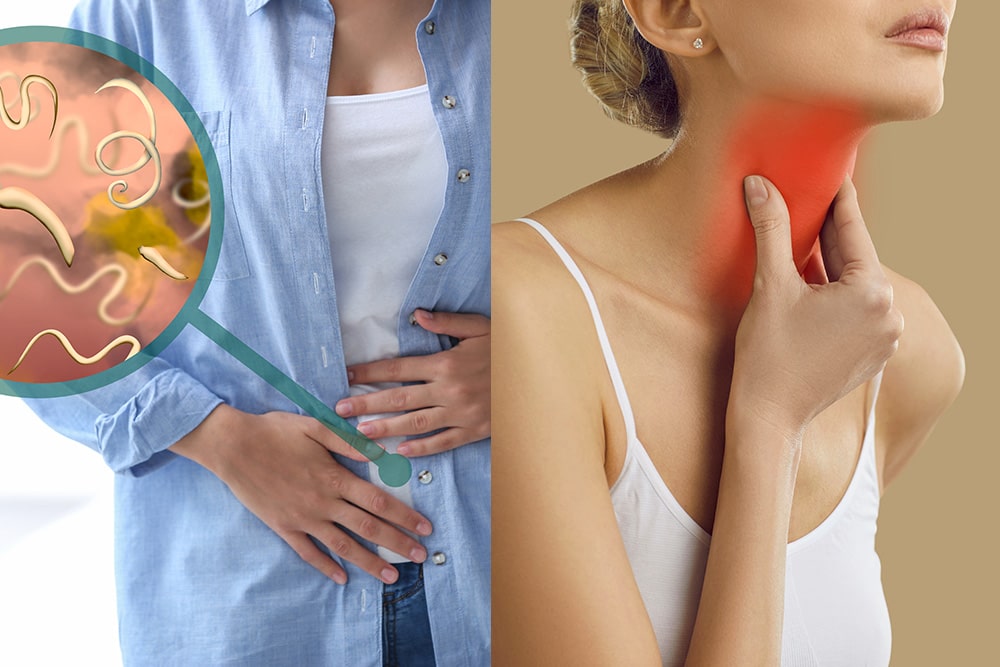








Proctitis is an inflammation of the rectum- the final part of your large intestine. It can either be on its own or it can be associated with a larger disorder like ulcerative colitis. The complications can be prevented with the aid of early detection and treatment, as well as to make it more comfortable.
Proctitis can cause a variety of symptoms, including:
Several factors can lead to proctitis:
Proctitis should not determine your life. In Jersey Village, our experts provide you with expert diagnostics and personalized treatment plans: whether it is specific medication and natural treatment or lifestyle advice, our specialists will take care of your unique needs at GastroDoxs. Our mission is the delivery of patient-centered care that is compassionate throughout the treatment process.
Get on track of your digestive health. Register your appointment or contact us at832-632-4070 and talk to our team directly.
We've successfully treated more than 1.5K patients, helping individuals improve their digestive health and overall well-being through expert, personalized care.
With over 20 years of experience, GastroDoxs has been a trusted provider of gastroenterology care, focusing on delivering the best outcomes for patients
Dr. Bharat Pothuri is a Board-Certified Gastroenterologist and Hepatologist. With extensive experience in digestive health, he specializes in advanced endoscopic procedures, chronic GI disorder management, and preventive care. Dr. Pothuri is dedicated to providing expert, patient-focused insights to help improve gut health and overall well-being.
Proctitis may be mild or severe. The complications, including chronic pain, bleeding anemia or the further inflammation of other colon areas, can be avoided with early diagnosis and treatment.
Yes. A diet rich in fiber, with sufficient fluid intake and avoidance of alcohol, caffeine, and hot-spicy foods, helps to soothe and heal the rectal lining.
No. Proctitis is the definite inflammation of the rectum, whereas colitis affects larger parts of the colon above the rectum.
Mild symptoms can be treated at home with warm sitz baths, more dietary fiber, light exercise, aloe vera gel, and over-the-counter anti-inflammatory suppositories.
It is typically diagnosed with a rectal examination and may also include a flexible sigmoidoscopy or colonoscopy to view the rectal lining, stool samples to exclude infection, and, in some cases, a biopsy for a conclusive assessment.
Yes. Conventional treatments can be supported with probiotics, omega-3 fish oil, turmeric supplements, stress management strategies, and a balanced diet to promote mucosal healing.
Yes. Radiation treatment for prostate, cervix, or other pelvic cancers may harm the rectal mucosa, resulting in radiation-induced proctitis.
Yes. Therapies include sucralfate enemas to protect the lining, hyperbaric oxygen therapy to promote healing, and anti-inflammatory suppositories to reduce pain and bleeding.
If you experience constant rectal pain, persistent bleeding, frequent urges to defecate, or any new gastrointestinal symptoms, visit a specialist immediately for examination and treatment.
Healing time varies. Some patients improve within a few weeks, while others may require several months of medication, lifestyle changes, and follow-up care.