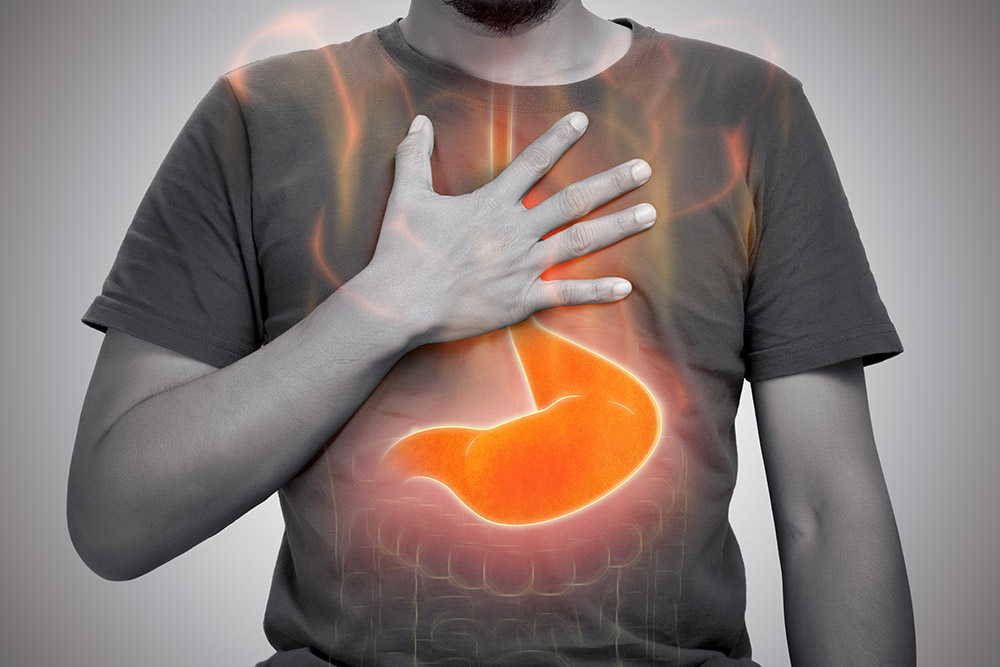








Peptic ulcer disease (PUD) occurs when open sores appear on the lining of an interior stomach, or one of the highest sections of the small intestine. This happens when the proportion between the stomach acid and the protective lining is derailed. Early diagnosis and treatment would help in pain removal and avoiding more severe complications such as bleeding or perforation.
Symptoms can vary in intensity, but often include:
Several factors can increase the risk of developing peptic ulcers:
Our clinic, GastroDoxs in Jersey Village, would focus on patient-centered care and a set of digestive solutions in particular to peptic ulcer disease. We have some of the best gastroenterologists in our team that offer high-quality diagnostics, individualized care options, and sensitive service to guarantee that you recover well and regain your quality of life. Ready to find lasting relief? Book an Appointment Today!
We've successfully treated more than 1.5K patients, helping individuals improve their digestive health and overall well-being through expert, personalized care.
With over 20 years of experience, GastroDoxs has been a trusted provider of gastroenterology care, focusing on delivering the best outcomes for patients
Dr. Bharat Pothuri is a Board-Certified Gastroenterologist and Hepatologist. With extensive experience in digestive health, he specializes in advanced endoscopic procedures, chronic GI disorder management, and preventive care. Dr. Pothuri is dedicated to providing expert, patient-focused insights to help improve gut health and overall well-being.
The most common causes of peptic ulcers are infection with the bacteria Helicobacter pylori or prolonged use of nonsteroidal anti-inflammatory drugs (NSAIDs) including ibuprofen or aspirin. Other contributing factors include smoking, excessive alcohol consumption, and genetic predisposition.
Although emotional stress is not directly linked to ulcer formation, it may worsen symptoms by increasing stomach acid production and altering gut motility. Stress management can help alleviate pain during therapy.
Diagnosis usually involves a combination of tests, including a urea breath test or stool antigen test for H. pylori, blood tests, and upper endoscopy (EGD) to visualize the ulcer and assess its severity.
ICD-10 codes K25-K28 are used to classify peptic ulcers according to their location and complication status. For example, a non-specified duodenal ulcer without bleeding or perforation has the code K27.9.
Most peptic ulcers heal within 4 to 8 weeks of appropriate therapy, which includes H. pylori antibiotics and acid-suppressing medications. Follow-up testing may be required to ensure eradication of the infection.
Yes. Dietary modifications can help protect the stomach lining. This includes avoiding acidic, spicy, caffeinated, or alcoholic foods, and incorporating high-fiber foods, low-fat proteins, and probiotics to support recovery.
Triple therapy treats H. pylori infection using two antibiotics and a proton pump inhibitor (PPI) to reduce acid production. The regimen is usually administered for 10-14 days to achieve optimal cure rates.
Surgery is rarely necessary, typically reserved for uncontrollable bleeding, perforation of the stomach or duodenal wall, or obstruction. Minimally invasive procedures are preferred when possible.
Yes. Ulcers located in the posterior stomach or duodenal wall can irritate surrounding nerves and tissues, causing referred pain that may be felt in the back.
Prevention strategies include limiting or avoiding NSAID use, quitting smoking, moderating alcohol intake, managing stress, and testing/treating H. pylori infections when detected.