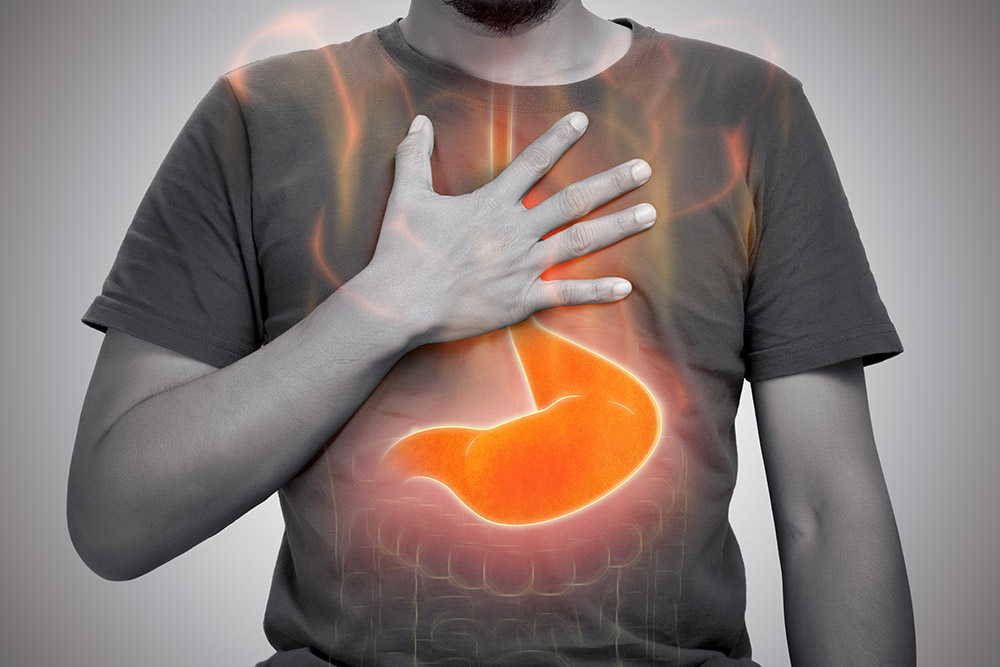








Meckel Diverticulitis consists of a growth or bulge of a small, pouch-shaped abrasion or fissure in the wall of your small intestine. Such an innate pouch occurs in two out of every hundred individuals. When it becomes inflamed, it can resemble appendicitis and cause stomach pain, bleeding, or other gastrointestinal disorders. Timely diagnosis helps prevent complications.
Meckel Diverticulitis may not have distinct early symptoms, but as inflammation develops, it may manifest as:
Inflammation of a Meckel diverticulum can be caused by several factors:
At GastroDoxs in Houston, we understand how disruptive Meckel’s diverticulitis can be. That’s why we offer same-day appointments, advanced imaging services, minimally invasive treatments, and personalized care plans tailored just for you. Our compassionate team will guide you through every step of recovery to help you regain comfort and restore long-term digestive health.
We've successfully treated more than 3K patients, helping individuals improve their digestive health and overall well-being through expert, personalized care.
With over 20 years of experience, GastroDoxs has been a trusted provider of gastroenterology care, focusing on delivering the best outcomes for patients
Dr. Bharat Pothuri is a Board-Certified Gastroenterologist and Hepatologist. With extensive experience in digestive health, he specializes in advanced endoscopic procedures, chronic GI disorder management, and preventive care. Dr. Pothuri is dedicated to providing expert, patient-focused insights to help improve gut health and overall well-being.
Meckel’s Diverticulitis is a congenital pouch in the small intestine that becomes inflamed or irritated, leading to pain and digestive symptoms. This condition occurs when the Meckel’s diverticulum, present since birth, gets infected or obstructed.
It is typically diagnosed using CT or ultrasound imaging to identify inflammation or infection. Blood tests may also be performed to rule out other causes of abdominal pain and detect infection.
Meckel’s diverticulitis can develop due to bacterial infection, blockage of the pouch, acid-related ulceration within the diverticulum, or decreased blood flow to the affected area.
Mild cases can often be managed with antibiotics and supportive care. However, most patients require surgical removal of the diverticulum to prevent recurrence and complications.
Recovery typically begins within 2–3 days after surgery, and most patients regain normal digestive function within 1–2 weeks, depending on their overall health and recovery progress.
Yes. Meckel’s diverticulum occurs in about 2% of the population, and only a small number of those cases develop diverticulitis or related complications.
No. Meckel’s diverticulitis is not inherited. The diverticulum is a congenital condition—present from birth but not passed down through families.
Untreated cases can lead to severe complications such as abscess formation, intestinal perforation, internal bleeding, or peritonitis—all of which require emergency medical attention.
GastroDoxs in Houston provides access to experienced gastroenterologists and surgeons who specialize in diagnosing and treating Meckel’s Diverticulitis using advanced imaging and minimally invasive techniques.
GastroDoxs offers comprehensive, fast, and precise diagnosis, individualized treatment plans, minimally invasive surgical options, and continuous patient support to ensure comfort, safety, and complete recovery.