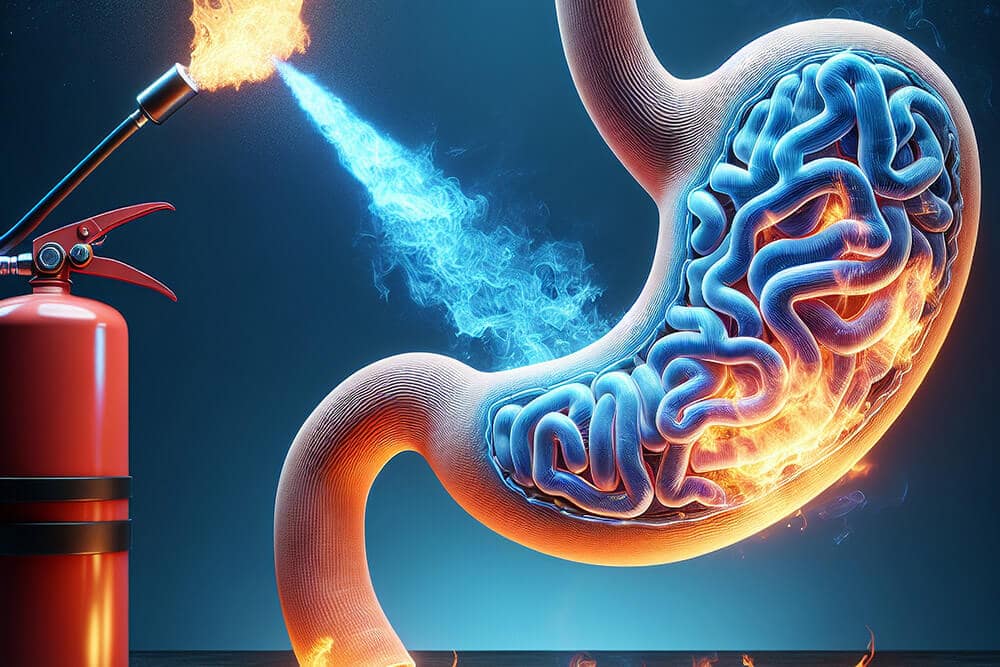








Helicobacter pylori (H. pylori) is a curvy bacterium that inhabits the stomach wall of a human being. When untreated, it may bring about inflammation (gastritis) and a peptic ulcer. ICD-10 B96.81 is the medical code used to bill the invasive infection of H. pylori.
If you have this infection, you may notice:
H. pylori is typically spread through:
You should not wait in the event that you are having hematemesis or any alarming symptoms related to your digestive system. To visit GastroDoxs in Jersey Village, you can either call or make an appointment online. We have caring GI specialists who are on hand and willing to offer quick individualized services that will lead you to a state of relief and recovery.
We've successfully treated more than 618 patients, helping individuals improve their digestive health and overall well-being through expert, personalized care.
With over 20 years of experience, GastroDoxs has been a trusted provider of gastroenterology care, focusing on delivering the best outcomes for patients
Dr. Bharat Pothuri is a Board-Certified Gastroenterologist and Hepatologist. With extensive experience in digestive health, he specializes in advanced endoscopic procedures, chronic GI disorder management, and preventive care. Dr. Pothuri is dedicated to providing expert, patient-focused insights to help improve gut health and overall well-being.
The H. pylori breath test involves drinking a special non-radioactive liquid and then exhaling into a sampling bag. The test measures certain gases in your breath to detect the bacteria. It is harmless, painless, and provides fast results.
The stool antigen test requires a small sample collected at home or in our office. It examines proteins (antigens) of H. pylori. This noninvasive test is easy and very reliable for confirming infection.
Yes. Most patients are treated with a 10–14 day course of antibiotics combined with an acid reducer. Follow-up testing is essential to ensure the bacteria have been completely eradicated.
Triple therapy combines two antibiotics with an acid-reducing drug. This treatment directly targets H. pylori while lowering stomach acid to enhance healing and improve the efficacy of antibiotics.
Supplements such as probiotics, green tea, and honey may support gut health and comfort. However, they should complement—not replace—your prescribed antibiotic therapy.
If untreated, H. pylori can lead to chronic gastritis, peptic ulcers, and an increased risk of stomach cancer. Early diagnosis and treatment help prevent these complications.
Testing is recommended for anyone with persistent upper abdominal pain, bloating, unexplained nausea or vomiting, or a diagnosis of gastritis or peptic ulcers.
The ICD-10 code for H. pylori infection is 10CE. This code is used for medical records and insurance claims.
Treatment usually lasts 10–14 days. A follow-up test is typically performed 4–6 weeks after therapy to confirm eradication of the infection.
Book an appointment by calling our office. We provide testing, same-week visits, personalized treatment plans, and holistic follow-up services to help you feel better as quickly as possible.