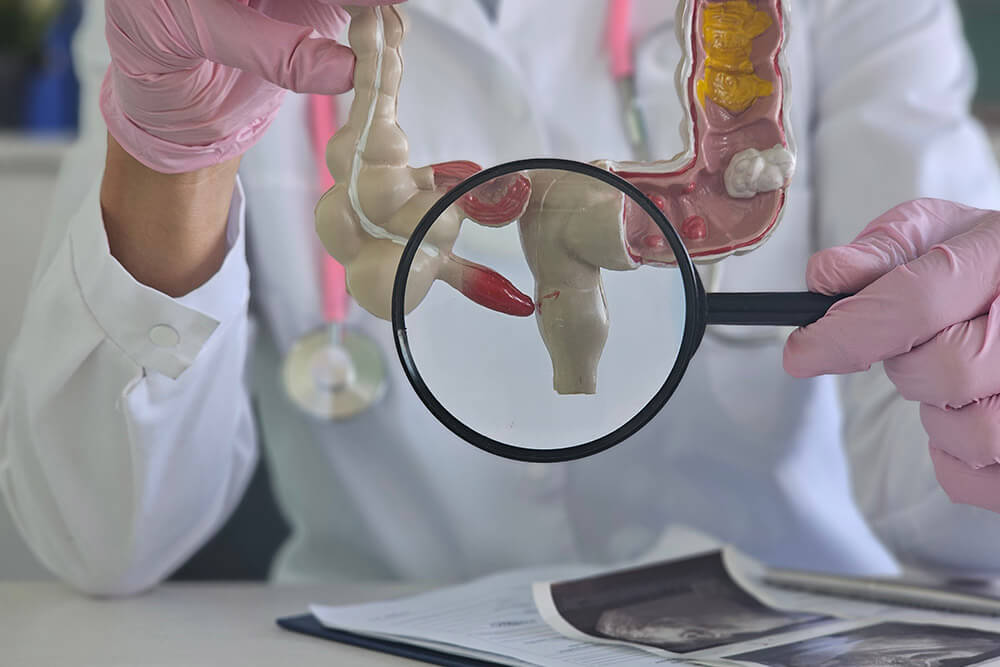







Gastroparesis is a disorder in which the stomach fills slowly leading to slow digestion. You can be with a few bites, have stomach problems, or can struggle with blood sugar levels, in case of diabetes.
Symptoms can vary in severity but often include:
Gastroparesis may arise from several underlying factors:
GastroDoxs in Jersey Village combines the expert gastroenterology care with the caring service. With easy-to-understand explanations and accurate diagnosis on one hand, and personalized treatment and regular follow-ups on the other, we will ensure that you overcome any intestinal granulomas and regain your digestive condition. There is no need to wait until things get worse and then schedule your visit and make the first step to a healthier life.
We've successfully treated more than 342 patients, helping individuals improve their digestive health and overall well-being through expert, personalized care.
With over 20 years of experience, GastroDoxs has been a trusted provider of gastroenterology care, focusing on delivering the best outcomes for patients
Dr. Bharat Pothuri is a Board-Certified Gastroenterologist and Hepatologist. With extensive experience in digestive health, he specializes in advanced endoscopic procedures, chronic GI disorder management, and preventive care. Dr. Pothuri is dedicated to providing expert, patient-focused insights to help improve gut health and overall well-being.
Avoid high-fat and fried foods, uncooked vegetables, soft drinks, and foods that are difficult to digest or form large particles, such as nuts, seeds, and rough fruits.
Choose soft, easily digestible foods like pureed fruits and vegetables, clear soups, smoothies, yogurt, eggs, and well-cooked grains. Small, frequent meals are recommended.
Yes. Some patients taking GLP-1 receptor agonists like Ozempic may experience slowed gastric emptying. Always report new or worsening symptoms to your doctor.
Gastroparesis caused by Ozempic often improves with modification or discontinuation of the drug, especially if addressed early under physician supervision.
The ICD-10 code for diabetic gastroparesis is K31.843, used for tracking and treatment planning.
Medications such as opioids, certain antidepressants, antihistamines, calcium channel blockers, and some weight-loss drugs can slow stomach emptying and contribute to gastroparesis.
Yes. Ginger tea, small frequent meals, light post-meal physical activity, and staying well-hydrated may help alleviate symptoms and support digestion.
Over-the-counter options like antacids or simethicone may relieve bloating and heartburn. Always consult your physician before starting any medication.
Diabetic gastroparesis is a complication of diabetes mellitus. The ICD-10 code K31.843 is used for diagnosis and treatment planning.
Visit GastroDoxs in Jersey Village for professional gastroparesis management, including assessment, advanced testing, and personalized treatment plans.