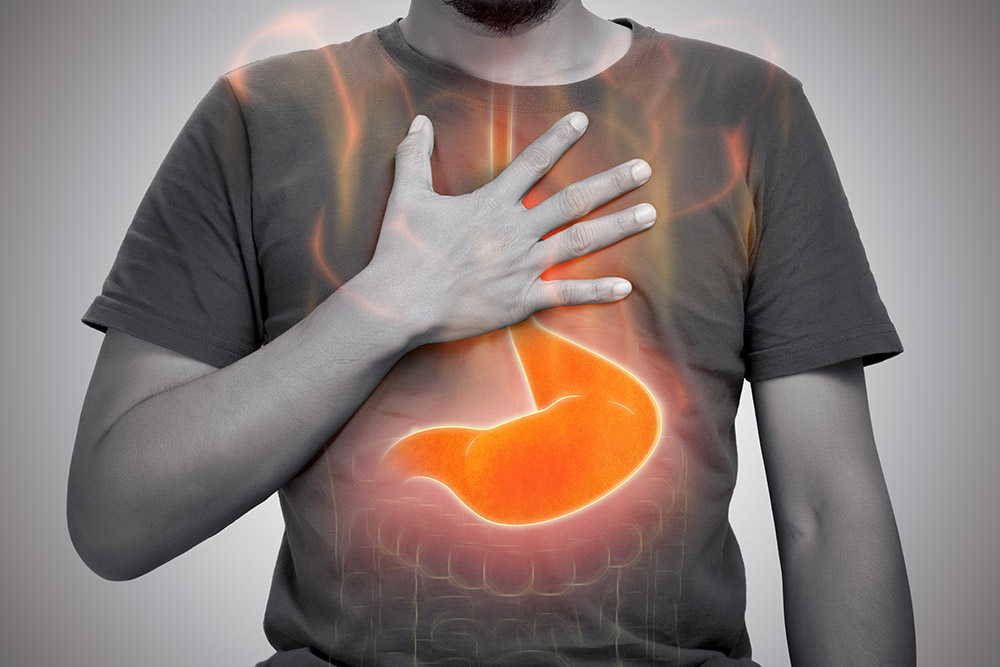








Gastric polyps are small bump-like growths which occur on a lining of your stomach. Majority of them are harmless (non-cancerous) and are incidentally found during an endoscopy. Polyps of the fundic glands are a stable condition that occurs particularly in the top section of the stomach and may not develop or alter over the years, although it may occur.
The symptoms of many people with gastric polyps are nonexistent. Polyps cause signs, which can include:
Gastric polyps may develop due to a number of factors:
You are about to make the next step in your gastric poly care? Our board-certified gastroenterologists apply modern technology of endoscopy, customized treatment regimes at GastroDoxs in Jersey Village, and assist you to get the best health of your stomach. You may require polyp removal, H. pylori treatment, follow-up scopes, and dietary advice, and our caring staff will be involved in my guidance and will be a team that will ensure you are not left alone in every step taken. Book appointment today and receive local, professional care and attention to your needs.
We've successfully treated more than 2.1K patients, helping individuals improve their digestive health and overall well-being through expert, personalized care.
With over 20 years of experience, GastroDoxs has been a trusted provider of gastroenterology care, focusing on delivering the best outcomes for patients
Dr. Bharat Pothuri is a Board-Certified Gastroenterologist and Hepatologist. With extensive experience in digestive health, he specializes in advanced endoscopic procedures, chronic GI disorder management, and preventive care. Dr. Pothuri is dedicated to providing expert, patient-focused insights to help improve gut health and overall well-being.
The ICD-10 code of gastric polyps is K31.8. In medical records and billing, this is often referred to as the ICD-10 gastric polyp code.
No. Most gastric polyps are harmless and not life-threatening. However, some polyps may develop or transform into precancerous cells. Therefore, regular checkups are recommended.
Although it is not possible to prevent all polyps, you can reduce your risk of developing fundic gland polyps by minimizing the long-term use of acid blockers (PPIs) and treating H. pylori infections promptly.
Gastric polyps are usually detected through an upper endoscopy, where a small camera examines the stomach lining. A biopsy may be taken to analyze the tissue and rule out abnormal or cancerous cells.
No. The procedure is performed under light sedation to ensure you feel comfortable and relaxed. Most patients experience little to no discomfort.
Follow-up frequency depends on the type and activity of your polyps. For small, benign polyps, repeat endoscopy is usually recommended after 1–3 years.
While no diet can remove existing polyps, maintaining a healthy and balanced diet supports overall stomach health, helps reduce irritation, and aids recovery after treatment.
Antibiotics are prescribed only if an H. pylori infection is detected. In such cases, antibiotics help eliminate the bacteria and promote healing of the stomach lining.
If a biopsy shows cancerous changes, immediate referral to a specialist will be made. Early detection and treatment greatly improve outcomes.
Look for a board-certified gastroenterologist with extensive experience in performing endoscopies. Our professional team at GastroDoxs in Jersey Village is available to guide you through every step of your care.