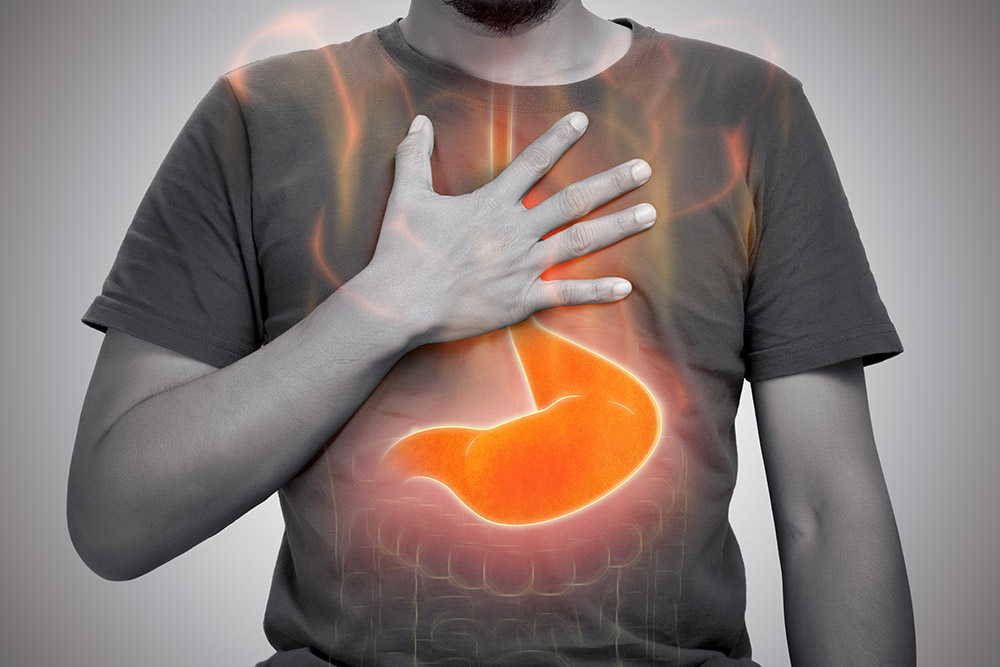








Eosinophilic gastritis is a disease where the level of eosinophil- a type of white blood cell- accumulates in the stomach lining. This accumulation results in inflammation, and can cause distraction to normal digestion. Endoscopy with biopsy is a common method of diagnosis when eosinophil levels must be high.
The symptoms are different and they may be intermittent. You might experience:
There is no certain cause of eosinophilic gastritis, despite the fact that in most cases it is caused by a number of factors:
Our team of professionals at GastroDoxs in Jersey Village deals with the diagnostics and treatment of the eosinophilic gastritis. We have combined the best endoscopy tools, custom-made diets, specific medications, and continued care so that you can achieve the lifelong symptom relief. It is not necessary to wait until you can be in charge of your digestive health—just call us today so we can get you started on the path to feeling better.
We've successfully treated more than 1.5K patients, helping individuals improve their digestive health and overall well-being through expert, personalized care.
With over 20 years of experience, GastroDoxs has been a trusted provider of gastroenterology care, focusing on delivering the best outcomes for patients
Dr. Bharat Pothuri is a Board-Certified Gastroenterologist and Hepatologist. With extensive experience in digestive health, he specializes in advanced endoscopic procedures, chronic GI disorder management, and preventive care. Dr. Pothuri is dedicated to providing expert, patient-focused insights to help improve gut health and overall well-being.
The eosinophilic gastritis is coded as ICD-10 K52.81. Clinicians and insurers use this code to code and bill diagnosis and treatment.
An upper endoscopy with biopsy of the stomach lining makes the diagnosis. The tissue is investigated with high levels of eosinophil count. The diagnosis is also confirmed by blood tests, allergy assessment and symptoms history.
Yes. Its symptoms—abdominal pain, nausea, bloating—can be similar to acid reflux, peptic ulcers, gastroparesis or food intolerances. It should be divided by a biopsy to differentiate itself with these disorders.
Triggers differ in each person and they commonly consist of dairy, soy, wheat and eggs as well as nuts. Problem foods can be identified and avoided through an elimination diet with the assistance of a dietitian and allergy testing.
No. Eosinophilic gastritis involves the stomach lining and eosinophilic esophagitis takes part in the esophagus. The two are similar as they both are caused by eosinophil accumulation but they exhibit different symptomology and must be treated differently.
No. Although the treatment involves topical or systemic steroids to counter inflammations, it can also incorporate dietary adjustments, acid-blocking drugs, and allergy treatments to manage the symptoms.
Yes. Eosinophilic gastritis is a disease that affects children and adults. To allow the proper growth and development of the pediatric patient, it is very likely that it requires a co-ordinated effort by the nurses and the nutritionists/allergists.
The symptoms are improved in weeks after treatment among many patients. Remission in most cases, however, requires long-term follow-ups and diet or medication changes.
Yes. The most complete assessment and individual involvement plan can be given by a gastroenterologist with experience in the field of eosinophilic gastrointestinal diseases and frequent collaboration with an allergist.
Currently, there is no cure. Nevertheless, with the help of personalized treatment plans, the vast majority of the patients can experience a good level of symptom control and can stay in long term remission.