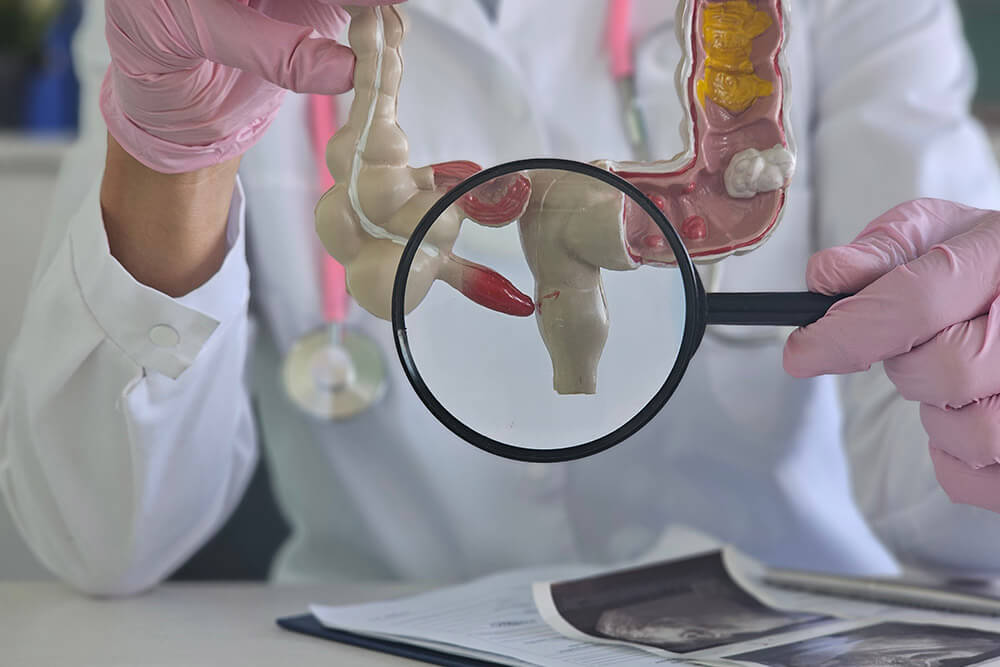








Eosinophilic duodenitis is a duodenum (or first section of the small intestine) inflammatory disease due to excessive accumulation of eosinophil cells or white blood cells that are eosinophil, which are used to fight off infections. The presence of these cells and associated mast cells in the duodenal lining results in inflammation, tissue irritation and interference of normal digestion.
The symptoms may be severe and may alternate. Common signs include:
What causes it is not always clear, however, a number of factors may play their role:
GastroDoxs offers the application of expert diagnostics and efficient eosinophilic duodenitis treatment and treatment of associated conditions due to the emphasis on the patient-centered approach and a complex of measures to solve the problem. We base our overall philosophy on caring and personalized care to enable you to experience long-lasting relief and better life. Ready to feel better? Today make your appointment with our Jersey Village team.
We've successfully treated more than 1K patients, helping individuals improve their digestive health and overall well-being through expert, personalized care.
With over 20 years of experience, GastroDoxs has been a trusted provider of gastroenterology care, focusing on delivering the best outcomes for patients
Dr. Bharat Pothuri is a Board-Certified Gastroenterologist and Hepatologist. With extensive experience in digestive health, he specializes in advanced endoscopic procedures, chronic GI disorder management, and preventive care. Dr. Pothuri is dedicated to providing expert, patient-focused insights to help improve gut health and overall well-being.
Eosinophilic duodenitis is a disease where eosinophils (a kind of white blood cell) are deposited in the duodenum thus causing swelling inflammation and stomach pain.
The diagnosis is usually through an upper endoscopy to examine the interior of the duodenum and a piece of tissue, the names of which are biopsy to determine the number of eosinophils in the tissue, and that is inflammation.
Eosinophilic duodenitis has a code of ICD-10 of K52.81.
No. Eosinophilic gastritis is a condition that affects the stomach lining and eosinophilic duodenitis is based on inflammation of the first section of the small intestine (duodenum).
Yes. Some of the common food allergens to many patients include milk, eggs, wheat, soy or shellfish, which are likely to aggravate inflammation and symptoms.
Yes. Eosinophilic duodenitis is present in both children and adults, and symptoms differ in accordance with age and intensity.
Treatment length varies. Certain patients recover after a couple of weeks of dietary interventions or pills whereas other patients might require prolonged control over a period of a couple of months.
Yes. Chronic inflammation may result in ulcers, strictures, and loss of nutrients without proper treatment causing weight loss or malnutrition.
GI specialists would recommend you to seek medical attention in case of never-ending pain in the belly, nausea, unexplainable weight loss, and other persistent digestive symptoms that fail to improve.
GastroDoxs Jersey Village is a company where GI specialists work, provide in-office endoscopy testing, allergy testing and a combination of treatment programs tailored to patients with eosinophilic duodenitis.