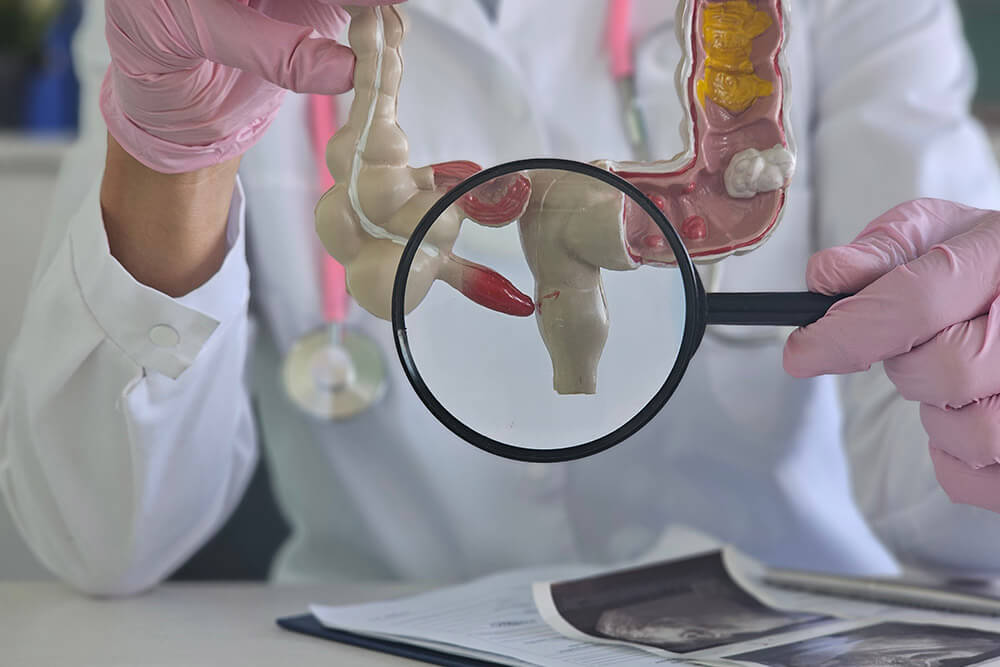








Early satiety refers to getting full having consumed a little amount of food. It is a symptom—not a disease—and can be an omen of a digestive disturbance. Subclinicians treat and report this condition using ICD-10 code R14.8.
Other symptoms are usually associated with early satiety, and they disrupt normal eating:
There are numerous causes of early satiety where the process of digestion may be slowed by factors, or may be interrupted:
GastroDoxs is a company with its core values centered on patient-centered care and a deep approach to the delivery of complex digestive health solutions and effective treatment of early satiety and related diseases. Being caring and attentive to your needs, we are working to provide you with a lasting relief and a better quality of life.
Are you all set to recover mealtime comfort? Make a booking now with our experts in Jersey Village and receive the actual solution-and actual relief-to your early satiety.
We've successfully treated more than 1.1K patients, helping individuals improve their digestive health and overall well-being through expert, personalized care.
With over 20 years of experience, GastroDoxs has been a trusted provider of gastroenterology care, focusing on delivering the best outcomes for patients
Dr. Bharat Pothuri is a Board-Certified Gastroenterologist and Hepatologist. With extensive experience in digestive health, he specializes in advanced endoscopic procedures, chronic GI disorder management, and preventive care. Dr. Pothuri is dedicated to providing expert, patient-focused insights to help improve gut health and overall well-being.
Early satiety is the feeling of getting full even after eating a very little food. It may influence your appetite and cause problems with eating proper nutrition during dinner.
The code used is ICD-10 R14.8 of early satiety. Healthcare providers and insurers use this code to make diagnosis, medical records, and billing.
Yes. The management can involve food changes such as taking smaller and more frequent meals, use of drugs to accelerate the speed of food emptying into the stomach, antialkaloid drugs, and correcting any underlying condition that is causing the symptom.
Early satiety that continues beyond two weeks, becomes unintentional and is accompanied by severe pain, vomiting, and other disconcerting conditions might indicate a gastroenterological condition and should be consulted by the gastroenterologist.
Some of the most common causes are gastroparesis (slow emptying of the stomach), gastritis, stomach ulcers, irritable bowel syndrome (IBS), food hypersensitivity, and some disorders of the nervous system.
Yes. Stress and worry may cause a slowing of the digestion process, impair normal stomach action, and caused people to experience an exaggerated fullness and nausea experience during and/or after food intake.
Limit the intake of fatty, hard, and indigestible foods. There are ways to manage fullness; one of these ways is to eat small portions of food at a higher number of days rather than eating larger quantities of food at a few days.
Diagnosis can include physical examination, blood tests, radiographic tests, such as ultrasound or endoscopy, and non-primary tests, such as a gastric emptying test to determine the rate of emptying of stomach.
In GastroDoxs, Houston, we provide cutting-edge testing, individual nutrition counseling, pharmacological interventions to enhance gastric motility as well as holism-based treatments such as stress management oppressions.
Early satiety as such is a symptom, but not a disease. Although this may be painful and cause nutritional deficiencies, complications can be avoided by early diagnosis and treatment of the cause.