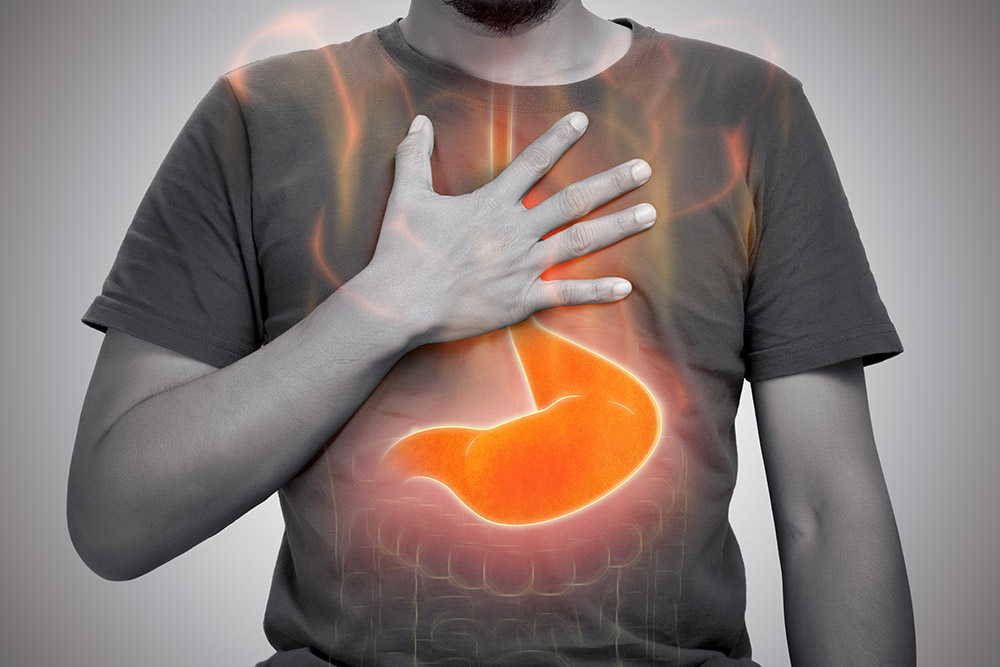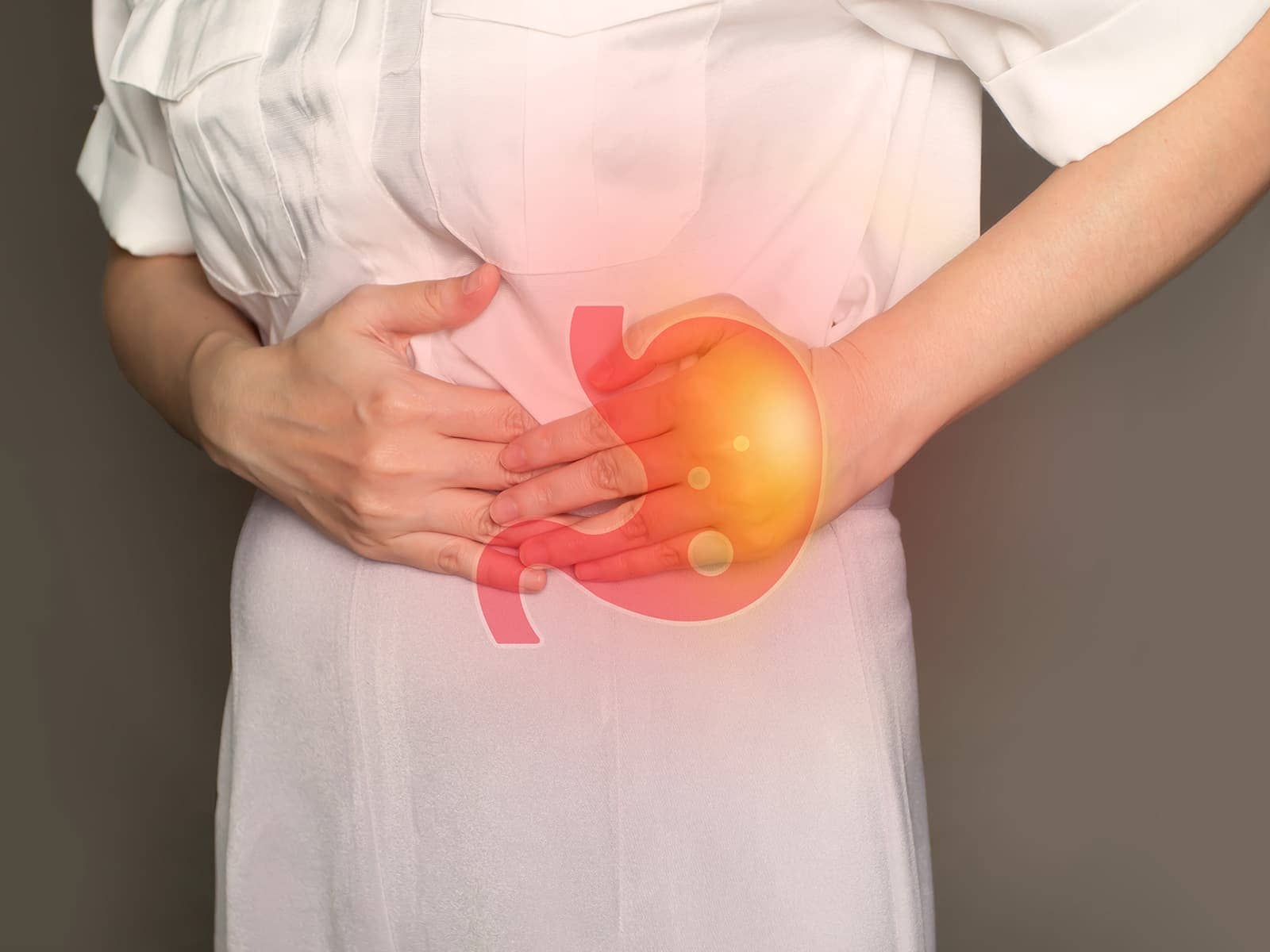








Dyspepsia is indigestion that causes irritation or pain in the upper abdomen. It can occur after eating and may be functional or non-ulcer, meaning no visible ulcer is found. The condition leads to noticeable discomfort in the upper belly.
Individuals experiencing dyspepsia may notice:
Several factors can trigger or worsen dyspepsia:
Don’t allow dyspepsia to spoil your life. We understand that a combination of expert ICD-10 code consultation (K30), individualized care, and informed support is essential to address your symptoms and rebuild comfort at GastroDoxs in Jersey Village.
Ready to feel better? Make an appointment today and take the first step toward confident, lasting digestive health.
We've successfully treated more than 3.8K patients, helping individuals improve their digestive health and overall well-being through expert, personalized care.
With over 20 years of experience, GastroDoxs has been a trusted provider of gastroenterology care, focusing on delivering the best outcomes for patients
Dr. Bharat Pothuri is a Board-Certified Gastroenterologist and Hepatologist. With extensive experience in digestive health, he specializes in advanced endoscopic procedures, chronic GI disorder management, and preventive care. Dr. Pothuri is dedicated to providing expert, patient-focused insights to help improve gut health and overall well-being.
Functional dyspepsia is a type of indigestion where you feel pain, burning, or early fullness in the upper abdomen without the presence of an ulcer or any structural abnormality. It is categorized under the ICD-10 code K30.
Diagnosis may include blood tests, a breath test to detect H. pylori infection, and in some cases, an upper endoscopy to examine the stomach lining and rule out ulcers or other conditions.
Yes. Pain that begins in the upper abdomen may sometimes radiate to the back. If you experience back pain along with indigestion, it’s best to consult your physician for an evaluation.
The ICD-10 code for functional and non-ulcer dyspepsia is K30, unless another specific diagnosis such as an ulcer is identified.
Some patients find relief using natural remedies like ginger, probiotics, or apple cider vinegar, though evidence is mixed. It’s recommended to consult a healthcare professional before trying any home remedies.
With lifestyle changes and appropriate treatment, many patients notice improvement within a few weeks. Chronic cases may require ongoing management and follow-up care.
Yes. Stress and anxiety can influence the gut-brain axis, increasing stomach sensitivity and triggering dyspeptic symptoms.
Eating small, frequent, low-fat, and mild-spice meals often reduces symptoms. Keeping a food diary can help identify and avoid personal trigger foods.
Although a complete cure is rare, most individuals achieve good symptom control through dietary adjustments, stress management, and proper medication.
At GastroDoxs in Houston, our gastroenterologists provide personalized evaluation and treatment plans for gastric indigestion. Book your appointment today to get started.